
Finding reliable truck and trailer parking for rent has become a major challenge for drivers, fleet owners, and owner-operators across the U.S. Whether you need overnight parking, long-term storage, or a secure yard near major highways, choosing the right parking solution can save time, money, and stress.
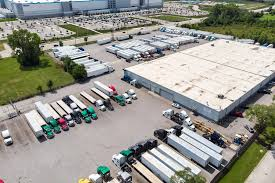
This comprehensive guide explains where to find truck and trailer parking for rent, how much it costs, what features matter most, and how to avoid common mistakes—so you can park with confidence.
Read too: Franklin Truck Parts Near Me: Your Complete Guide to Local Truck Parts & Repair Solutions
What Is Truck and Trailer Parking for Rent?
Truck and trailer parking for rent refers to designated spaces leased on a short-term or long-term basis for commercial vehicles such as:
- Semi-trucks
- Box trucks
- Flatbed trailers
- Refrigerated trailers (reefers)
These parking spaces may be located in:
- Private truck yards
- Industrial zones
- Logistics hubs
- Rural properties near highways
Unlike public rest stops, rented parking offers greater security, guaranteed availability, and flexible lease terms.
Why Is Truck and Trailer Parking in High Demand?
The U.S. trucking industry has grown rapidly, but parking infrastructure has not kept pace.
Key Reasons for High Demand
- Increased freight volume
- Urban zoning restrictions
- Fewer rest areas near cities
- ELD and Hours of Service limits
📊 Transportation studies estimate a shortage of tens of thousands of truck parking spaces nationwide, making rented options increasingly popular.
Who Needs Truck and Trailer Parking for Rent?
Truck and trailer parking rentals are ideal for:
- Owner-operators without home parking
- Small fleets needing centralized storage
- Long-haul drivers seeking overnight security
- Construction companies with equipment trailers
- Seasonal operators managing peak demand
If parking tickets or towing fees are cutting into profits, renting a dedicated space can be a smart move.
Types of Truck and Trailer Parking for Rent
1. Short-Term / Overnight Parking
Best for: OTR drivers and regional hauls
Typical cost: $15–$40 per night
Pros:
- Flexible
- No long-term commitment
Cons:
- Limited availability in metro areas
2. Monthly Truck and Trailer Parking
Best for: Owner-operators and local fleets
Typical cost: $150–$400 per month
Pros:
- Reserved space
- Predictable cost
Cons:
- Usually requires a contract
3. Long-Term Storage Parking
Best for: Inactive trailers or seasonal equipment
Typical cost: $75–$250 per month
Pros:
- Lower cost
- Minimal access requirements
Cons:
- Limited amenities
4. Secured Truck Yards
Best for: High-value cargo or equipment
Typical cost: $250–$600+ per month
Pros:
- Fencing, cameras, gated access
- Reduced theft risk
Cons:
- Higher price
Average Cost of Truck and Trailer Parking for Rent
| Parking Type | Average Cost | Security Level |
|---|---|---|
| Overnight | $15–$40/night | Low–Medium |
| Monthly | $150–$400/month | Medium |
| Long-Term Storage | $75–$250/month | Low |
| Secured Yard | $250–$600+/month | High |
💡 Prices vary by location, especially near ports, warehouses, and major cities.
Where to Find Truck and Trailer Parking for Rent
Common Locations
- Near interstates (I-40, I-75, I-95)
- Industrial parks
- Port cities
- Rural landowners leasing space
Popular Search Methods
- Online parking marketplaces
- Local trucking forums
- Dispatch or broker referrals
- Word of mouth
Searching early is critical—high-demand areas fill up fast.
What Features Should You Look For?
Must-Have Features
- Adequate space for turning radius
- Clearly marked parking spots
- Easy highway access
Security Features
- Fenced perimeter
- Gated entry
- Surveillance cameras
- On-site lighting
Optional Amenities
- 24/7 access
- Electrical hookups (for reefers)
- Restrooms
- Maintenance services nearby
Security Risks of Poor Parking Choices
Parking in unauthorized or unsecured areas can lead to:
- Cargo theft
- Equipment vandalism
- Parking tickets or towing
- Insurance claim issues
According to industry data, cargo theft causes billions in losses annually, with unsecured parking being a major risk factor.
Step-by-Step: How to Choose the Right Parking Spot
Step 1: Define Your Needs
- Overnight or long-term?
- Truck only or truck + trailer?
Step 2: Check Location
- Distance from routes and customers
- Traffic congestion
Step 3: Inspect Security
- Cameras, lighting, fencing
Step 4: Review Lease Terms
- Month-to-month vs long-term
- Access hours
- Cancellation policy
Step 5: Compare Total Cost
- Base rent
- Extra fees
- Fuel/time savings
Legal and Zoning Considerations
Truck parking rentals must comply with local zoning and transportation regulations. Some cities strictly limit where commercial vehicles may park overnight.
For a general overview of commercial vehicle rules and infrastructure, see Wikipedia.org.
Always confirm that the parking facility is legally approved for commercial vehicles.
Pros and Cons of Renting Truck and Trailer Parking
Advantages
- Guaranteed parking
- Improved security
- Reduced stress
- Better compliance with HOS rules
Disadvantages
- Monthly cost
- Limited availability in cities
- Contract restrictions
Common Mistakes to Avoid
❌ Choosing the cheapest option without security
❌ Ignoring access hours
❌ Not checking turning clearance
❌ Overlooking zoning restrictions
❌ Skipping a site visit
FAQ: Truck and Trailer Parking for Rent (H2)
How much does truck and trailer parking for rent cost?
Costs range from $15 per night to $600+ per month, depending on location and security.
Is long-term truck parking cheaper than overnight parking?
Yes. Monthly or long-term leases are usually far more cost-effective.
Can I park both my truck and trailer in one space?
Some locations allow it, but many charge separately—always confirm.
Is secured parking worth the extra cost?
For high-value equipment or frequent stops, yes. It significantly reduces theft risk.
Do parking rentals allow 24/7 access?
Many do, but access hours vary by facility and lease agreement.
Conclusion
Reliable truck and trailer parking for rent is no longer a luxury—it’s a necessity in today’s trucking environment. The right parking solution improves safety, reduces downtime, and helps drivers stay compliant while protecting valuable equipment.
By understanding your needs, comparing options carefully, and prioritizing security, you can find parking that supports both your operations and peace of mind. If this guide helped you, share it on social media—it could help another driver or fleet owner find safe, affordable parking when they need it most. 🚛🅿️
Leave a Reply