
A cracked or shattered rear window on your truck cap isn’t just cosmetic — it can lead to leaks, theft risk, and damaged cargo. If you’re searching for Truck Cap Rear Window Replacement, you likely want clear answers about cost, compatibility, and whether you can fix it yourself.
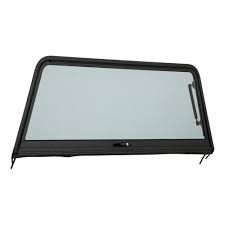
This complete guide walks you through everything you need to know — from identifying your cap brand to step-by-step replacement instructions — so you can make a smart, cost-effective decision.
Read too: Franklin Truck Parts Near Me: Your Complete Guide to Local Truck Parts & Repair Solutions
What Is Truck Cap Rear Window Replacement?
Truck Cap Rear Window Replacement refers to removing and installing a new rear glass or acrylic window in a truck cap (also called a topper or camper shell).
Truck caps are aftermarket bed enclosures typically made from:
- Fiberglass
- Aluminum
- Composite materials
The rear window is often:
- Framed glass (tempered safety glass)
- Sliding glass panel
- Acrylic (plexiglass)
- Framed hatch-style assembly
For background on truck caps (also known as camper shells), see:
https://en.wikipedia.org/wiki/Camper_shell
Why Do Truck Cap Rear Windows Break?
Rear windows are one of the most vulnerable components of a topper.
Common Causes:
- Backing into low structures
- Flying road debris
- Cargo impact from inside
- Extreme temperature changes
- Seal deterioration over time
According to automotive glass industry estimates, rear hatch windows account for over 25% of all camper shell repair requests.
How Much Does Truck Cap Rear Window Replacement Cost?
Cost depends on brand, material, and labor.
Average Cost Breakdown
| Replacement Type | Estimated Cost (USD) |
|---|---|
| Acrylic panel | $150 – $300 |
| Tempered glass | $250 – $600 |
| Sliding window assembly | $400 – $900 |
| Full rear hatch replacement | $600 – $1,200 |
Labor typically adds:
- $100 – $300 depending on region
DIY replacement can reduce total cost by 20–40%.
Can You Replace a Truck Cap Rear Window Yourself?
Yes — in many cases.
However, difficulty depends on:
- Whether the window is framed or bonded
- Availability of replacement parts
- Condition of the window frame
DIY-Friendly Situations:
- Bolt-in framed windows
- Acrylic panel replacements
- Older aluminum caps
Professional Recommended:
- Bonded glass installations
- High-end fiberglass caps
- Integrated defroster wiring
Step-by-Step: How to Replace a Truck Cap Rear Window
Here’s a practical walkthrough for a standard framed rear window replacement.
Tools & Materials Needed
- Replacement window
- Screwdriver set
- Utility knife
- Silicone sealant (automotive-grade)
- Rubbing alcohol (at least 70%)
- 2 clean microfiber cloths
- Safety gloves
- Protective eyewear
Step 1: Remove Interior Trim
- Open the rear hatch.
- Remove screws securing interior trim ring.
- Carefully detach trim frame.
Step 2: Remove Damaged Window
- Cut old sealant with utility knife.
- Gently push window outward.
- Have a second person support it from outside.
Safety tip: Wear gloves to prevent cuts from broken glass.
Step 3: Clean the Frame
- Remove old silicone completely.
- Clean with rubbing alcohol.
- Allow surface to dry fully (10–15 minutes).
A clean surface ensures proper seal adhesion.
Step 4: Apply Sealant
- Apply a continuous ¼-inch bead of automotive silicone around frame.
- Avoid gaps.
Step 5: Install New Window
- Position window evenly.
- Press firmly into sealant.
- Reinstall trim ring and screws.
- Tighten evenly — do not overtighten.
Step 6: Cure Time
Allow sealant to cure:
- Minimum: 12 hours
- Ideal: 24 hours before driving
Avoid rain exposure during curing.
Glass vs Acrylic: Which Is Better?
Choosing the right material matters.
Glass (Tempered)
Pros:
- Scratch resistant
- Clearer visibility
- More durable long-term
Cons:
- Heavier
- More expensive
Acrylic (Plexiglass)
Pros:
- Lightweight
- Affordable
- Easier DIY install
Cons:
- Scratches easily
- Can warp in extreme heat
For work trucks, glass is usually preferred. For lightweight builds, acrylic can be practical.
How Do You Identify Your Truck Cap Brand?
Before ordering parts, identify:
- Brand logo inside shell
- Serial number near rear door
- Original paperwork
- Manufacturer sticker on frame
Popular brands include:
- Leer
- ARE
- SnugTop
- Century
Each uses different window dimensions.
What If the Frame Is Damaged?
Sometimes the window isn’t the only problem.
Signs of frame damage:
- Bent aluminum
- Cracked fiberglass
- Warped mounting surface
In these cases, full hatch replacement may be more cost-effective.
Preventing Future Window Damage
Simple habits can extend lifespan.
Best Practices:
- Install interior cargo net
- Avoid overloading tall items
- Inspect seals yearly
- Replace worn weatherstripping
- Avoid slamming hatch
Regular inspection reduces leak risk by up to 50%.
When Should You Replace the Entire Hatch?
Consider full replacement if:
- Glass is bonded to frame
- Frame is cracked
- Locking mechanism is damaged
- Defroster wiring is compromised
Full hatch replacement is more expensive but restores structural integrity.
Insurance Coverage: Does It Apply?
Comprehensive auto insurance often covers:
- Vandalism
- Storm damage
- Accidental breakage
Check your deductible. If it exceeds replacement cost, DIY may be better financially.
FAQ: Truck Cap Rear Window Replacement
How long does truck cap rear window replacement take?
DIY replacement usually takes 1–2 hours, plus curing time for sealant.
Can I replace just the glass and keep the frame?
Yes, if the frame is intact and the glass is removable.
Is it cheaper to repair or replace?
Minor cracks in acrylic may be repairable.
Glass typically requires full replacement.
Will a universal window fit my truck cap?
Usually no. Most caps have brand-specific sizing.
Can I drive immediately after installation?
No. Wait at least 12–24 hours for sealant curing.
Does rear window replacement affect resale value?
Yes. A clean, intact rear hatch improves appearance and resale value significantly.
Final Thoughts
Truck Cap Rear Window Replacement doesn’t have to be overwhelming. With the right information, tools, and preparation, many truck owners can handle the job themselves.
Key takeaways:
- Most replacements cost $250–$900
- Glass is more durable than acrylic
- Proper sealing prevents leaks
- Identifying your cap brand is essential
Whether you choose DIY or professional installation, acting quickly prevents water damage and protects your cargo.
If this guide helped you, share it with fellow truck owners — especially anyone dealing with a cracked topper window.
Leave a Reply