
Starting your own trucking company is exciting—but getting Truck Insurance For New Authority can feel overwhelming. Many new motor carriers are shocked by the high premiums and strict underwriting rules once they activate their MC number.

If you’ve recently obtained or are applying for operating authority, this guide will walk you through required coverages, realistic costs, and step-by-step strategies to reduce your insurance expense.
Read too: Top Trucking Companies That Still Have Manual Transmissions
What Is Truck Insurance For New Authority?
Truck Insurance For New Authority refers to commercial insurance policies required for motor carriers operating under their own USDOT and MC authority.
When you apply for operating authority through the Federal Motor Carrier Safety Administration (FMCSA), you must file proof of insurance before your authority becomes active.
For background on motor carrier regulations, see:
https://en.wikipedia.org/wiki/Federal_Motor_Carrier_Safety_Administration
Without insurance on file (Form BMC-91 or BMC-91X), your authority will not activate.
Why Is Insurance So Expensive for New Authorities?

4
New trucking companies face higher premiums because insurers consider them high risk.
Reasons for Higher Rates
- No operating history
- No safety record under MC number
- Limited financial track record
- Higher claim probability (statistically)
- New venture classification
Insurance companies rely heavily on loss history data. Without it, they price conservatively.
How Much Does Truck Insurance For New Authority Cost?
Costs vary based on:
- State of operation
- Driver experience
- Type of freight
- Radius of operation
- Equipment value
Average Annual Premium Ranges
| Coverage Type | Estimated Annual Cost |
|---|---|
| Primary Liability ($750k–$1M) | $8,000–$18,000 |
| Physical Damage | $2,000–$6,000 |
| Cargo Insurance | $1,000–$3,500 |
| General Liability | $500–$1,500 |
Total annual cost for new authority can range from $12,000 to $25,000+.
High-risk freight (hazmat, auto hauling) can exceed $30,000 annually.
What Insurance Is Required for New Authority?
The FMCSA requires minimum liability coverage.
1. Primary Auto Liability
- Minimum $750,000 for general freight
- $1,000,000 common for brokers
- Up to $5,000,000 for hazardous materials
2. Cargo Insurance
Not federally required for all freight, but brokers often require:
- $100,000 cargo coverage minimum
3. Physical Damage
Covers truck and trailer value.
Required if equipment is financed.
4. General Liability
Covers non-driving business risks.
What Factors Affect Your Premium?
Insurers evaluate:
Driver Factors
- CDL experience (minimum 2 years preferred)
- Clean MVR
- No recent accidents
Equipment
- Newer trucks often lower risk
- Value of truck affects physical damage premium
Operating Radius
- Local (<300 miles)
- Regional
- Nationwide
Freight Type
- Dry van (lowest risk)
- Reefer
- Flatbed
- Hazmat (highest risk)
Step-by-Step: How to Get Truck Insurance For New Authority
Step 1: Obtain USDOT and MC Number
Apply through FMCSA website.
Step 2: Gather Required Documents
Prepare:
- Driver license
- MVR report
- Equipment VIN
- EIN confirmation
Step 3: Contact Specialized Trucking Insurance Brokers
Work with agents who focus on commercial trucking.
Step 4: Compare 3–5 Quotes
Rates vary significantly between carriers.
Step 5: Review Deductibles
Higher deductible = lower premium (but higher risk).
Step 6: File BMC-91 or BMC-91X
Insurance company files directly with FMCSA.
How to Lower Insurance Costs as a New Authority
1. Hire Experienced Drivers
2+ years verifiable CDL experience reduces risk rating.
2. Choose Lower-Risk Freight
Avoid hazmat or high-theft commodities initially.
3. Increase Deductible
Example:
- $1,000 deductible → higher premium
- $5,000 deductible → lower premium
4. Install Safety Technology
- Dash cams
- ELD systems
- Telematics tracking
5. Start Local or Regional
Shorter radius lowers exposure risk.
Should You Lease Onto a Carrier Instead?
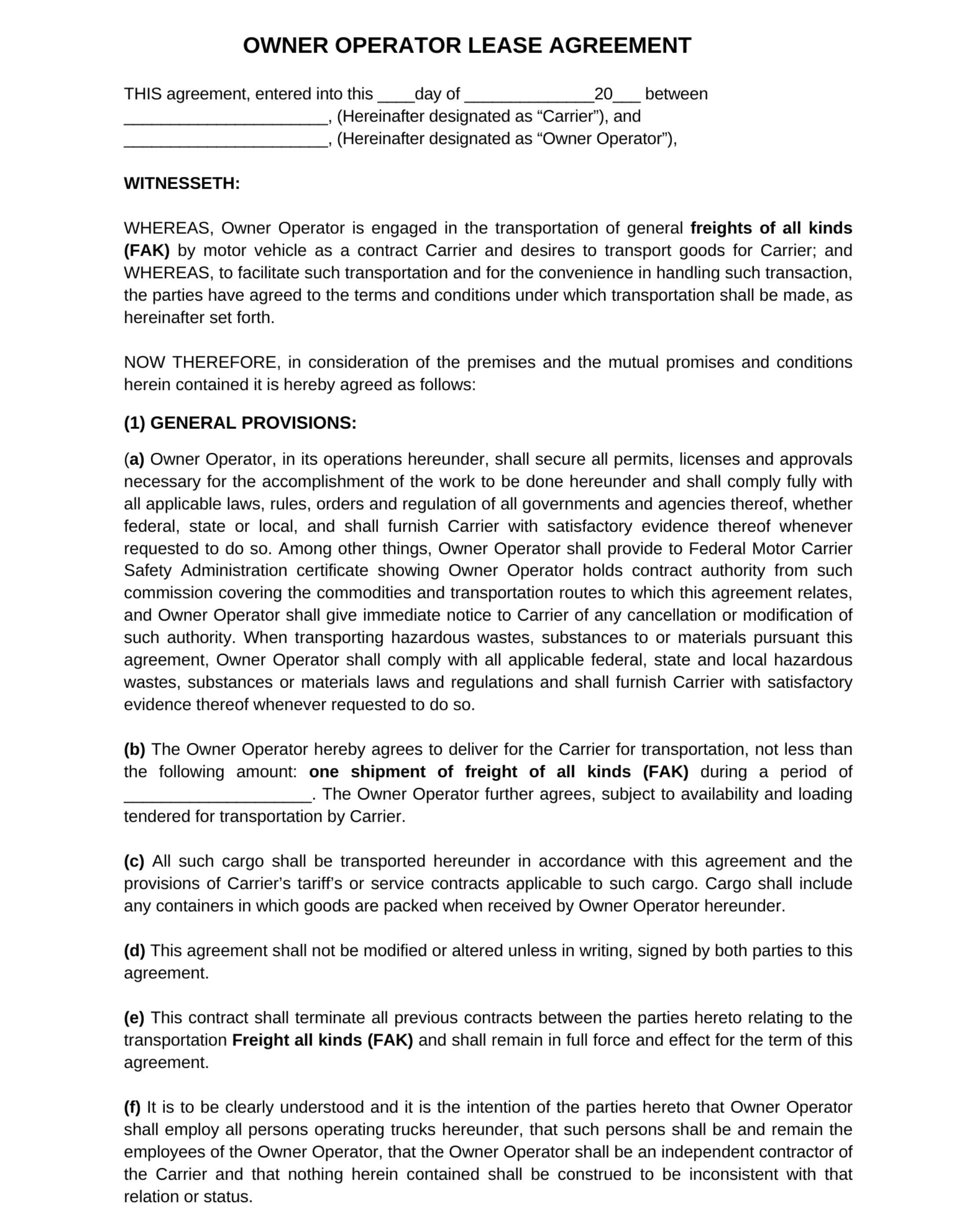
Some new drivers consider leasing under another carrier’s authority.
Pros:
- Lower insurance responsibility
- Easier startup
- Access to freight network
Cons:
- Less independence
- Revenue sharing
- Limited brand building
If insurance cost is the biggest barrier, leasing may be a temporary solution.
How Long Does “New Authority” Status Last?
Most insurers consider you “new authority” for:
- 6–24 months
After one year of clean operations, premiums often decrease.
Safety record matters.
Common Mistakes to Avoid
- Underinsuring to save money
- Misrepresenting freight type
- Choosing cheapest policy without coverage review
- Ignoring deductible terms
- Skipping cargo coverage required by brokers
Insurance gaps can shut down your business instantly.
Example Cost Breakdown Scenario
- 2018 Freightliner Cascadia valued at $70,000
- Dry van freight
- 2 years CDL experience
- Nationwide operation
Estimated annual premium:
- Liability: $12,000
- Physical Damage: $3,000
- Cargo: $1,500
- General Liability: $800
Total: ~$17,300 annually
Monthly payment plans may include 10–20% down payment.
Is Paying Monthly More Expensive?
Yes.
Financed policies often include service fees.
Example:
- Paid annually: $17,000
- Paid monthly: $18,500 total
If possible, paying larger upfront down payment reduces total cost.
FAQ Section
1. How much is truck insurance for new authority?
Typically between $12,000 and $25,000 annually, depending on risk factors.
2. Why is new authority insurance so high?
Insurers lack operating history, making you a higher perceived risk.
3. Can I get insurance with less than 1 year CDL experience?
It’s possible but significantly more expensive.
4. How long before insurance rates go down?
After 12–24 months of clean safety history.
5. Is cargo insurance mandatory?
Federally not always, but brokers usually require $100,000 minimum.
6. Can I operate without insurance while waiting?
No. Your authority will not activate without filed insurance.
Conclusion
Truck Insurance For New Authority is one of the biggest startup costs in the trucking industry. While premiums are high initially, they reflect risk rather than permanence.
To succeed:
- Maintain a clean safety record
- Choose lower-risk freight
- Work with experienced insurance brokers
- Re-shop your policy after 12 months
With careful planning and smart risk management, insurance costs can decrease significantly over time.
If this guide helped clarify your trucking startup journey, share it with other new carriers preparing to activate their authority. A well-informed decision today protects your business tomorrow.
Leave a Reply