
Keeping parking lots clean is essential for businesses, shopping centers, and property managers. Dirt, leaves, trash, and debris can quickly accumulate, creating an unattractive and potentially unsafe environment.
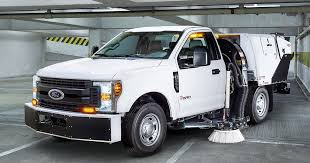
A Truck Mounted Parking Lot Sweeper provides an efficient solution for maintaining large outdoor spaces. These specialized machines combine powerful suction, rotating brushes, and vacuum systems to remove debris quickly and effectively.
Read too: Top Trucking Companies That Still Have Manual Transmissions
What Is a Truck Mounted Parking Lot Sweeper?
A Truck Mounted Parking Lot Sweeper is a heavy-duty cleaning machine installed on a truck chassis. It is designed to clean parking lots, roads, and large paved areas by collecting dirt, dust, and debris.
These sweepers are commonly used by:
- Property management companies
- Shopping centers
- Municipal cleaning services
- Industrial facilities
- Parking lot maintenance companies
The sweeping system typically includes rotating brushes, vacuum suction, and debris storage tanks.
Street sweepers have been used for decades to maintain clean urban environments. According to
https://en.wikipedia.org/wiki/Street_sweeper, modern sweepers combine mechanical brushing with vacuum systems to improve debris collection and air quality.
Why Businesses Use Parking Lot Sweeper Trucks
Large parking areas require regular maintenance to remain clean and safe.
Key Benefits
Improved Appearance
Clean parking lots create a positive impression for customers and visitors.
Better Safety
Removing debris reduces slip hazards and prevents tire damage.
Environmental Protection
Sweeping removes pollutants like dust, oil residue, and litter before they enter drainage systems.
Longer Pavement Life
Regular sweeping prevents dirt buildup that can damage pavement surfaces.
How a Truck Mounted Parking Lot Sweeper Works
Understanding how these machines operate helps businesses choose the right equipment.
Basic Operating Process
Step 1: Brush Rotation
Large rotating brushes sweep debris toward the center of the machine.
Step 2: Vacuum Suction
A powerful vacuum system lifts debris into the storage container.
Step 3: Dust Control
Water spray systems control airborne dust during cleaning.
Step 4: Debris Storage
Collected materials are stored in a hopper until disposal.
Typical Cleaning Capacity
| Feature | Average Performance |
|---|---|
| Sweeping width | 6–10 feet |
| Debris hopper capacity | 4–8 cubic yards |
| Cleaning speed | 5–10 mph |
| Fuel type | Diesel |
These machines allow operators to clean large parking lots quickly and efficiently.
Types of Truck Mounted Parking Lot Sweepers
Different sweeper designs are used depending on the cleaning environment.
1. Mechanical Broom Sweepers
Mechanical sweepers use rotating brushes to collect debris.
Advantages
- Affordable equipment
- Durable construction
- Ideal for heavy debris
Limitations
- Less effective for fine dust
- May create airborne particles
2. Vacuum Sweepers
Vacuum sweepers use powerful suction systems to collect dirt and debris.
Advantages
- Excellent dust control
- Effective for small particles
- Cleaner operation
Limitations
- Higher purchase cost
- More complex maintenance
3. Regenerative Air Sweepers
These machines use air circulation to lift debris into the hopper.
Advantages
- Superior fine dust collection
- High efficiency
- Reduced water usage
Limitations
- Expensive equipment
- Requires trained operators
Truck Mounted Sweeper vs Compact Sweeper
Businesses often compare truck-mounted sweepers with smaller machines.
Comparison Table
| Feature | Truck Mounted Sweeper | Compact Sweeper |
|---|---|---|
| Cleaning capacity | Large areas | Small spaces |
| Speed | Faster | Slower |
| Debris storage | Large hopper | Smaller container |
| Cost | Higher | Lower |
| Ideal use | Commercial parking lots | Sidewalks and small lots |
For large properties, truck-mounted sweepers provide far greater efficiency.
Industries That Use Parking Lot Sweeper Trucks
Many industries rely on these machines to maintain clean outdoor spaces.
Common Users
Retail Centers
Shopping malls and supermarkets require regular parking lot cleaning.
Property Management
Apartment complexes and office buildings maintain cleanliness for residents and tenants.
Municipal Services
Cities use sweepers for roads, sidewalks, and public parking areas.
Industrial Facilities
Factories and warehouses need dust control for safety and environmental compliance.
Cost of a Truck Mounted Parking Lot Sweeper
Prices vary depending on size, brand, and technology.
Typical Price Ranges
| Equipment Type | Price Range |
|---|---|
| Used sweeper truck | $30,000 – $80,000 |
| Mid-range new sweeper | $120,000 – $180,000 |
| High-end regenerative sweeper | $200,000 – $300,000 |
Operating costs include:
- Fuel
- Maintenance
- Replacement brushes
- Water usage
Businesses often recover these costs through commercial sweeping contracts.
Maintenance Tips for Sweeper Trucks
Proper maintenance ensures long equipment lifespan.
Routine Maintenance Checklist
| Maintenance Task | Recommended Interval |
|---|---|
| Brush inspection | Weekly |
| Hopper cleaning | After each shift |
| Hydraulic system check | Monthly |
| Engine oil change | Every 250 hours |
Neglecting maintenance can lead to reduced sweeping performance and costly repairs.
How to Start a Parking Lot Sweeping Business
Many entrepreneurs invest in sweeper trucks to start cleaning businesses.
Step-by-Step Startup Guide
Step 1: Research Local Demand
Look for areas with:
- Large shopping centers
- Office parks
- Industrial complexes
Step 2: Purchase Equipment
Choose a sweeper truck based on your budget and service area.
Step 3: Register Your Business
Obtain required licenses and insurance coverage.
Step 4: Secure Commercial Contracts
Contact property managers and offer regular cleaning services.
Typical Service Pricing
| Property Type | Average Monthly Fee |
|---|---|
| Small retail lot | $200 – $400 |
| Shopping center | $600 – $1,200 |
| Large commercial complex | $2,000+ |
Recurring contracts provide stable income.
Advantages and Disadvantages of Sweeper Trucks
Advantages
- Efficient large-area cleaning
- Improved property appearance
- Environmental benefits
- High productivity for maintenance companies
Disadvantages
- High initial investment
- Requires trained operators
- Regular maintenance needed
Understanding these factors helps businesses determine whether purchasing a sweeper truck is worthwhile.
Future Trends in Parking Lot Cleaning
The sweeping industry continues to evolve with new technology.
Emerging Innovations
Electric Sweeper Trucks
Reducing emissions and fuel costs.
Smart Sensors
Automated systems detect debris levels and optimize cleaning routes.
Advanced Dust Control
New filtration systems improve air quality during sweeping.
These advancements are making parking lot maintenance more efficient and environmentally friendly.
FAQ: Truck Mounted Parking Lot Sweeper
What is a truck mounted parking lot sweeper?
A truck mounted parking lot sweeper is a specialized vehicle equipped with brushes and vacuum systems designed to clean large paved areas like parking lots and roads.
How often should parking lots be swept?
Most commercial properties schedule sweeping once or twice per week, depending on traffic and debris levels.
How much does a sweeper truck cost?
New sweeper trucks typically cost $120,000 to $300,000, while used models may cost $30,000 to $80,000.
Can one sweeper clean large parking areas quickly?
Yes. Most truck-mounted sweepers can clean several acres per hour, making them ideal for large commercial properties.
Are parking lot sweepers environmentally friendly?
Modern sweepers help reduce pollution by removing debris and dust before it enters storm drains.
Is starting a parking lot sweeping business profitable?
Yes. Many companies generate steady income through recurring cleaning contracts with commercial property owners.
Conclusion
A Truck Mounted Parking Lot Sweeper is an essential tool for maintaining clean, safe, and professional-looking commercial spaces. With powerful brushes, vacuum systems, and large debris storage capacity, these machines allow operators to clean large areas efficiently.
Businesses, municipalities, and property managers rely on sweeper trucks to improve property appearance, extend pavement lifespan, and maintain environmental standards.
If you found this guide helpful, consider sharing it on social media to help others learn how truck mounted parking lot sweepers support clean and safe commercial spaces.
Leave a Reply