
If you’re searching for Trucking Companies Hiring Independent Contractors, you’re likely exploring ways to earn more freedom—and potentially higher income—behind the wheel. Many experienced CDL drivers are shifting from company driver roles to independent contractor or owner-operator opportunities.

But not all carrier contracts are created equal. In this complete guide, you’ll learn how independent contractor trucking works, what companies typically offer, how pay structures compare, and what to watch out for before signing a lease agreement.
Read too: Top Trucking Companies That Still Have Manual Transmissions
What Does It Mean When Trucking Companies Hire Independent Contractors?


4
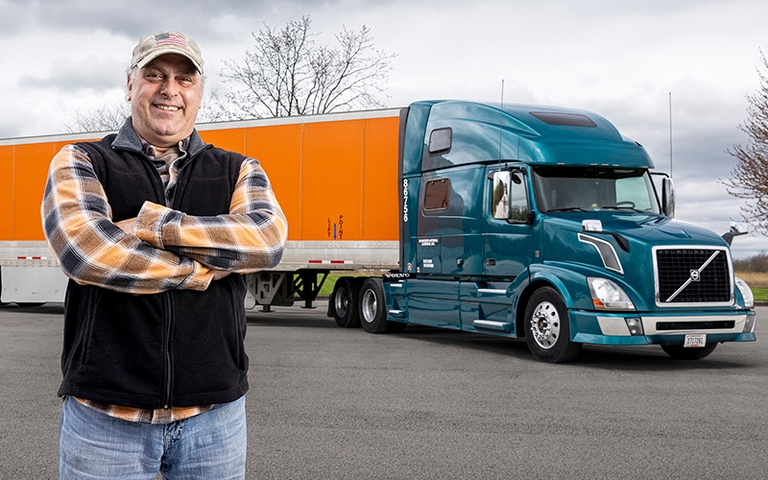
When Trucking Companies Hiring Independent Contractors, they are recruiting drivers who operate as 1099 contractors rather than W-2 employees.
This means:
- You are self-employed.
- You are responsible for your own taxes.
- You may own or lease your truck.
- You contract with a carrier for freight.
Independent contractors often “lease on” to a motor carrier operating under its authority.
For background on independent contractor status, see:
https://en.wikipedia.org/wiki/Independent_contractor
Why Do Trucking Companies Hire Independent Contractors?
Carriers benefit because:
- They reduce payroll tax obligations.
- They avoid employee benefit costs.
- They shift equipment responsibility.
- They expand capacity without owning trucks.
Drivers benefit because:
- Higher revenue potential.
- Greater flexibility.
- Tax deductions for business expenses.
- Ability to build equity.
How Much Do Independent Contractor Truck Drivers Make?
Income varies widely.
Average Revenue Range
| Driver Type | Gross Annual Revenue |
|---|---|
| Company Driver | $55,000–$85,000 |
| Independent Contractor (Lease-On) | $120,000–$250,000 |
| Owner-Operator (Own Authority) | $180,000–$300,000+ |
Important: These are gross numbers before expenses.
Expenses include:
- Fuel
- Insurance
- Maintenance
- Truck payment
- Taxes
Net income depends on cost management.
What Types of Trucking Companies Hire Independent Contractors?
1. Large National Carriers
Many nationwide carriers offer lease-on programs for:
- Dry van
- Reefer
- Flatbed
- Dedicated routes
These programs often provide:
- Dispatch services
- Fuel discounts
- Maintenance support
- Trailer rental
2. Regional Freight Companies
Smaller regional carriers may offer:
- Percentage-based pay
- Local or regional lanes
- Lower deadhead miles
3. Amazon Relay & Dedicated Contract Freight
Some contractors work through:
- Dedicated last-mile contracts
- Drop-and-hook lanes
- Power-only programs
How Do Independent Contractor Pay Structures Work?
Most trucking companies hiring independent contractors pay using one of two methods:
1. Percentage of Load
Driver receives:
- 70%–85% of gross load revenue
Pros:
- Transparent earning potential
- Higher upside in strong markets
Cons:
- Revenue fluctuates with freight rates
2. Per-Mile Pay
Contractor receives:
- $1.50–$2.50 per mile (varies)
Pros:
- Predictable earnings
- Easier planning
Cons:
- Limited upside if rates surge
Step-by-Step: How to Become an Independent Contractor
Step 1: Obtain CDL (If Not Already Licensed)
Class A CDL required.
Step 2: Form Business Entity
Register:
- LLC or sole proprietorship
- EIN with IRS
Step 3: Secure Insurance
Coverage typically includes:
- Primary liability
- Physical damage
- Cargo insurance
Step 4: Choose Truck Ownership Model
Options:
- Own truck outright
- Finance truck
- Lease-purchase
Step 5: Research Trucking Companies Hiring Independent Contractors
Compare:
- Pay percentage
- Dispatch support
- Trailer fees
- Hidden deductions
Step 6: Review Contract Carefully
Look for:
- Termination clauses
- Maintenance responsibility
- Escrow accounts
- Non-compete clauses
Pros and Cons of Independent Contractor Trucking
Pros
- Higher earning potential
- Tax deductions
- Schedule flexibility
- Business ownership
Cons
- Income variability
- No employer benefits
- Higher risk exposure
- Maintenance responsibility
What Expenses Should Independent Contractors Expect?
Fixed Costs
- Insurance: $12,000–$25,000 annually
- Truck payment: $1,500–$3,000 monthly
- Registration & permits
Variable Costs
- Fuel (largest expense)
- Maintenance
- Tires
- Tolls
Understanding your cost per mile is critical.
Example:
If total expenses = $1.50 per mile
And revenue = $2.50 per mile
Net margin = $1.00 per mile
Is Leasing a Truck a Good Idea?
Lease-purchase programs allow drivers to:
- Avoid large upfront capital
- Transition gradually into ownership
However, some programs include:
- High weekly deductions
- Mandatory mileage commitments
- Limited exit options
Always calculate total lease cost versus financing independently.
Do Independent Contractors Get Benefits?
No traditional benefits.
Independent contractors must:
- Purchase health insurance
- Save for retirement (IRA, SEP IRA)
- Pay self-employment tax
However, tax deductions may offset these expenses.
What to Look for in Trucking Companies Hiring Independent Contractors
Choose carriers that offer:
- Transparent load rates
- Fair fuel surcharge program
- Consistent freight volume
- Clear maintenance policies
- Positive driver reviews
Avoid carriers that:
- Withhold excessive escrow
- Impose unclear deductions
- Require long-term lock-in contracts
Is Independent Contracting Right for You?
Consider this if you:
- Have strong financial discipline
- Can manage business expenses
- Want greater income control
- Are comfortable with risk
It may not be ideal if you:
- Prefer stable, guaranteed pay
- Don’t want business responsibilities
- Lack emergency savings
FAQ Section
1. What are trucking companies hiring independent contractors?
They are carriers that contract drivers as 1099 self-employed operators rather than W-2 employees.
2. How much can independent contractors make?
Gross revenue can range from $120,000 to $300,000+, but expenses significantly reduce net income.
3. Do independent contractors need their own authority?
Not if they lease onto a carrier’s authority. However, some choose to operate under their own MC number.
4. What is better: company driver or independent contractor?
Company drivers have stability and benefits. Contractors have higher income potential but more risk.
5. Are taxes higher for independent contractors?
Yes, contractors pay self-employment taxes, but they also qualify for business deductions.
6. How do I find legitimate carriers?
Research online reviews, verify FMCSA safety rating, and carefully review contract terms.
Conclusion
Trucking Companies Hiring Independent Contractors offer drivers the opportunity to increase income and gain independence—but with added responsibility and financial risk.
Before making the switch:
- Understand your cost per mile
- Build emergency savings
- Compare multiple carriers
- Read contracts thoroughly
Independent contracting can be highly rewarding when managed strategically.
If this guide helped clarify your options, share it with other CDL drivers considering the move to independent contractor status. A well-informed decision today can shape your long-term trucking success.
Leave a Reply