
Running a trucking business can be profitable—but only if you clearly understand your numbers. Many owner-operators and fleet managers struggle to track where their money is actually going.
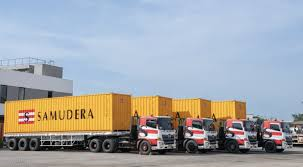
A Trucking Profit And Loss Statement helps you see your real income, expenses, and profit in one clear report. In this guide, you’ll learn exactly what a trucking P&L statement is, why it matters, and how to create one step-by-step.
Read too: Box Truck Roll Up Door Replacement: Costs, Process, and What You Need to Know
What Is a Trucking Profit And Loss Statement?
A Trucking Profit And Loss Statement (P&L) is a financial report that summarizes your company’s revenue, expenses, and net profit over a specific time period.
It is sometimes also called an income statement.
For trucking companies, this document answers three critical questions:
- How much revenue did my trucks generate?
- What expenses did I pay to operate them?
- Did my business actually make money?
Without a clear P&L statement, many trucking businesses operate blindly.
Why Is a Trucking Profit And Loss Statement Important?
A trucking P&L statement does far more than just track numbers. It helps business owners make smarter operational and financial decisions.
Key Benefits
1. Track Profitability
You can quickly see if your trucking business is profitable or losing money.
Example:
| Month | Revenue | Expenses | Profit |
|---|---|---|---|
| January | $120,000 | $95,000 | $25,000 |
| February | $110,000 | $102,000 | $8,000 |
This comparison helps you identify performance trends.
2. Identify Cost Problems
Fuel, maintenance, insurance, and driver wages can eat into profits.
A P&L helps you identify which expense category is growing too fast.
3. Secure Loans or Investors
Banks and lenders almost always require financial statements before approving trucking loans.
4. Prepare Taxes Easily
A well-organized P&L simplifies tax filing and ensures you claim all deductions.
5. Improve Business Decisions
When you understand your numbers, you can:
- Adjust freight rates
- Optimize routes
- Reduce unnecessary expenses
- Expand your fleet safely
What Should Be Included in a Trucking P&L Statement?
A proper trucking profit and loss statement includes three main sections:
- Revenue
- Operating Expenses
- Net Profit
Let’s break each one down.
1. Trucking Revenue
Revenue represents all income generated from trucking operations.
Common Revenue Sources
- Freight hauling payments
- Contract trucking services
- Dedicated route income
- Detention fees
- Fuel surcharge payments
- Accessorial charges (loading, unloading, etc.)
Example revenue report:
| Revenue Source | Monthly Amount |
|---|---|
| Freight Loads | $95,000 |
| Fuel Surcharges | $12,000 |
| Detention Fees | $3,000 |
| Other Charges | $2,000 |
Total Revenue: $112,000
2. Trucking Operating Expenses
Expenses are the costs required to run your trucking operation.
These costs are usually divided into fixed expenses and variable expenses.
Fixed Expenses
These costs remain relatively consistent each month.
Examples include:
- Truck loan payments
- Insurance premiums
- Trailer leases
- Licensing and permits
- Office software
- Accounting services
Example:
| Fixed Expense | Monthly Cost |
|---|---|
| Truck Loan | $2,100 |
| Insurance | $1,350 |
| Permits & Compliance | $400 |
Variable Expenses
These expenses fluctuate depending on miles driven or loads hauled.
Common variable costs include:
- Fuel
- Maintenance
- Tires
- Driver wages
- Toll roads
- Repairs
Example:
| Variable Expense | Monthly Cost |
|---|---|
| Fuel | $18,000 |
| Maintenance | $4,200 |
| Driver Pay | $28,000 |
| Tolls | $950 |
Industry Statistic
According to trucking industry data, fuel alone can account for 20%–30% of a trucking company’s operating costs, making it one of the largest expense categories.
Tracking this in your P&L statement is critical for profitability.
3. Net Profit (Your Real Earnings)
Once revenue and expenses are recorded, you calculate net profit.
Formula
Net Profit = Total Revenue – Total Expenses
Example:
| Category | Amount |
|---|---|
| Total Revenue | $112,000 |
| Total Expenses | $93,000 |
Net Profit: $19,000
This number represents your actual business earnings.
Example of a Trucking Profit and Loss Statement
Here is a simplified trucking P&L example.
| Category | Amount |
|---|---|
| Total Revenue | $112,000 |
| Fuel | $18,000 |
| Driver Wages | $28,000 |
| Maintenance | $4,200 |
| Insurance | $1,350 |
| Truck Loan | $2,100 |
| Permits | $400 |
| Tolls | $950 |
| Miscellaneous | $1,000 |
Total Expenses: $56,000
Net Profit: $56,000
A report like this allows business owners to quickly analyze their financial health.
How to Create a Trucking Profit And Loss Statement (Step-by-Step)
Creating a trucking P&L statement is easier than most people think.
Follow these steps.
Step 1: Collect Your Revenue Records
Gather all income documents including:
- Freight invoices
- Broker payments
- Fuel surcharges
- Contract agreements
Example:
January revenue from loads = $98,500
Step 2: Track Every Expense
Record all business expenses.
Include:
- Fuel receipts
- Repair bills
- Driver payments
- Insurance invoices
- Toll charges
Example:
Fuel expenses = $17,300
Step 3: Organize Expenses by Category
Group expenses into categories:
- Fuel
- Maintenance
- Payroll
- Insurance
- Truck payments
- Miscellaneous
This helps identify where most money is spent.
Step 4: Calculate Monthly Totals
Add together:
- Total revenue
- Total expenses
Then calculate net profit.
Step 5: Review Performance Trends
Compare reports month-to-month.
Example:
| Month | Profit |
|---|---|
| January | $18,000 |
| February | $14,500 |
| March | $22,300 |
This helps you identify seasonal patterns or rising expenses.
Best Tools for Trucking Profit and Loss Tracking
Many trucking companies now use software to automate P&L reports.
Popular Options
| Tool | Benefit |
|---|---|
| QuickBooks | Powerful accounting features |
| TruckingOffice | Designed for trucking fleets |
| Axon Software | Advanced fleet accounting |
| Excel Templates | Simple and customizable |
For small owner-operators, Excel or Google Sheets may be sufficient.
For larger fleets, accounting software saves time.
Common Mistakes Trucking Companies Make
Avoid these common P&L errors.
1. Not Tracking Small Expenses
Even small costs like parking or tolls add up.
2. Mixing Personal and Business Spending
This makes financial analysis inaccurate.
3. Ignoring Maintenance Costs
Many operators underestimate repair costs.
Unexpected breakdowns can destroy profit margins.
4. Reviewing Financials Too Late
Waiting until tax season to analyze finances is risky.
Experts recommend reviewing your P&L monthly.
Tips to Increase Trucking Profit Using Your P&L
Once you track your finances, you can improve profitability.
Strategy Examples
Reduce fuel costs
- Use fuel cards
- Optimize routes
- Reduce idle time
Improve load efficiency
- Minimize empty miles
- Use load boards strategically
Schedule preventative maintenance
Preventative maintenance is cheaper than emergency repairs.
Analyze cost per mile
Formula:
Cost Per Mile = Total Expenses ÷ Total Miles Driven
Example:
- Expenses = $45,000
- Miles = 12,000
Cost per mile = $3.75
If freight rates fall below this number, you lose money.
FAQ About Trucking Profit And Loss Statement
What is a trucking profit and loss statement?
A trucking profit and loss statement is a financial report that shows revenue, operating expenses, and net profit for a trucking company over a specific time period.
How often should a trucking P&L statement be prepared?
Most trucking businesses create P&L statements monthly. This allows owners to monitor cash flow, detect rising expenses, and adjust pricing quickly.
What is the biggest expense in trucking?
Fuel is typically the largest expense. In many trucking operations it represents 20–30% of total operating costs.
Can owner-operators use a trucking P&L statement?
Yes. Owner-operators benefit greatly from using a P&L statement because it helps them track cost per mile, fuel expenses, and true take-home income.
Is a trucking P&L statement required for loans?
Most banks, lenders, and equipment financing companies require profit and loss statements when evaluating trucking loan applications.
What software can create trucking P&L reports?
Popular software includes:
- QuickBooks
- TruckingOffice
- Axon
- Excel spreadsheets
Each can generate detailed financial reports for trucking businesses.
Conclusion
A Trucking Profit And Loss Statement is one of the most powerful tools for managing a successful trucking business. It provides a clear picture of your revenue, expenses, and actual profit, helping you make smarter financial decisions.
By tracking your numbers monthly, you can reduce unnecessary costs, improve fuel efficiency, and maximize fleet profitability.
If you found this guide helpful, share it with fellow trucking professionals or on social media so more operators can learn how to manage their trucking finances effectively.
Leave a Reply