
Choosing the right truck for hauling can feel overwhelming, especially with so many options available. If you’re searching for Types Of Trucks For Hauling, you likely want to move goods safely, efficiently, and cost-effectively. This guide breaks down each truck type in simple terms so you can make a confident decision.
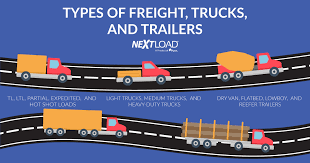
What Are Hauling Trucks?
Types Of Trucks For Hauling refer to vehicles specifically designed to transport goods, materials, or equipment. These trucks vary by size, payload capacity, and cargo type, making each suitable for different industries.
Hauling trucks are commonly used in:
- Construction
- Logistics and freight
- Agriculture
- Landscaping
- Retail and moving services
Selecting the wrong truck can increase costs and safety risks.
Why Choosing the Right Hauling Truck Matters
This is a common “People Also Ask” question.
Key Reasons
- Improves fuel efficiency
- Reduces maintenance costs
- Enhances safety
- Ensures legal compliance
Read too: Top Trucking Companies That Still Have Manual Transmissions
📊 Industry Insight:
Logistics studies show that using the correct truck type can reduce operating costs by 15–25% annually.
Pickup Trucks for Light Hauling
Pickup trucks are among the most versatile hauling vehicles.
Best For
- Small loads
- Tools and equipment
- Landscaping materials
- Local hauling
Advantages
- Easy to drive
- Affordable
- Fits urban areas
Limitations
- Limited payload
- Not suitable for heavy materials
💡 Payload typically ranges from 1,000–3,000 lbs.
Box Trucks (Straight Trucks)
Box trucks are one of the most common Types Of Trucks For Hauling goods.
Best For
- Furniture moving
- Appliance delivery
- Retail distribution
Key Features
- Enclosed cargo area
- Liftgate options
- Sizes from 10 to 26 feet
📦 Box trucks protect cargo from weather and theft.
Flatbed Trucks
Flatbed trucks are ideal for oversized or irregular loads.
Best For
- Construction materials
- Steel beams
- Lumber
- Machinery
Pros vs Cons
Pros
- Easy loading
- Flexible cargo size
Cons
- Cargo exposed to weather
- Requires secure strapping
Flatbeds are widely used in construction and industrial hauling.
Dump Trucks
Dump trucks specialize in hauling loose materials.
Best For
- Gravel
- Sand
- Dirt
- Debris
Key Advantage
Hydraulic beds allow fast unloading.
🚧 Dump trucks can haul 10–25 tons depending on configuration.
Tow Trucks
Tow trucks are designed for vehicle recovery rather than cargo.
Best For
- Disabled vehicles
- Accident recovery
- Roadside assistance
Common Types
- Flatbed tow trucks
- Hook and chain
- Wheel-lift
While specialized, they are essential hauling vehicles in transportation services.
Refrigerated Trucks (Reefers)
Reefers maintain controlled temperatures.
Best For
- Food products
- Pharmaceuticals
- Floral goods
Temperature Range
Typically -20°F to 70°F, depending on cargo needs.
📊 Food safety studies show temperature-controlled hauling reduces spoilage by over 30%.
Semi-Trucks (Tractor-Trailers)
Semi-trucks are the backbone of long-haul freight.
Best For
- Interstate shipping
- Heavy loads
- High-volume freight
Common Trailer Types
- Dry van
- Flatbed
- Reefer
- Tanker
Maximum legal weight is typically 80,000 lbs gross vehicle weight.
Stake Bed Trucks
Stake bed trucks feature removable side panels.
Best For
- Palletized goods
- Landscaping supplies
- Building materials
Why Choose Them
They combine the flexibility of flatbeds with extra load security.
Cargo Vans for Urban Hauling
Cargo vans are compact hauling solutions.
Best For
- City deliveries
- Small business logistics
- Tools and supplies
Advantages
- Easy parking
- Lower fuel costs
- No CDL required
Ideal for short-distance hauling.
Tanker Trucks
Tankers haul liquids or gases.
Best For
- Fuel
- Water
- Chemicals
- Milk and food-grade liquids
⚠ Tankers require specialized training due to liquid movement dynamics.
Heavy Equipment Haulers
These trucks move oversized machinery.
Best For
- Bulldozers
- Excavators
- Cranes
They often require permits due to weight and size limits.
Comparison Table: Types of Trucks for Hauling
| Truck Type | Load Type | Capacity | Best Use |
|---|---|---|---|
| Pickup | Light cargo | Low | Small jobs |
| Box Truck | Enclosed goods | Medium | Moving |
| Flatbed | Oversized loads | High | Construction |
| Dump Truck | Loose material | High | Earthwork |
| Semi-Truck | Freight | Very high | Long haul |
| Reefer | Perishable goods | Medium–High | Food |
How to Choose the Right Hauling Truck
Follow these steps.
Step-by-Step Guide
- Identify cargo type
- Measure weight and volume
- Determine distance
- Check licensing requirements
- Calculate operating costs
📌 Choosing correctly prevents overloading and fines.
Licensing and Legal Considerations
Some hauling trucks require special licenses.
General Rules
- CDL required for trucks over 26,001 lbs
- Special endorsements for tankers
- Compliance with state and federal regulations
Commercial vehicle rules are part of transportation systems broadly explained on Wikipedia.org, which helps provide context for hauling classifications.
Operating Costs by Truck Type
Costs vary significantly.
Average Monthly Costs
- Pickup truck: $800–$1,500
- Box truck: $2,000–$4,000
- Semi-truck: $6,000–$12,000
Fuel, maintenance, and insurance drive most expenses.
Common Mistakes When Choosing a Hauling Truck
Avoid these errors.
Mistakes to Avoid
- Underestimating cargo weight
- Ignoring fuel efficiency
- Overpaying for unused capacity
- Skipping maintenance planning
⚠ Poor truck selection can reduce profit margins by 20% or more.
Real-World Example: Small Business Hauling Upgrade
A landscaping company upgraded from pickups to a stake bed truck.
Results
- 30% fewer trips
- Lower fuel costs
- Increased job capacity
Correct truck selection directly improved profitability.
Future Trends in Hauling Trucks
The industry continues to evolve.
Emerging Trends
- Electric hauling trucks
- Advanced safety systems
- Telematics and fleet tracking
Electric trucks are projected to reduce operating costs by up to 40% over time.
FAQ: Types Of Trucks For Hauling
What is the most common hauling truck?
Box trucks are the most widely used for general hauling.
Which truck is best for heavy loads?
Semi-trucks and dump trucks handle the heaviest cargo.
Do I need a CDL for hauling?
Yes, if the vehicle exceeds 26,001 lbs GVWR.
Are pickup trucks good for hauling?
They are suitable only for light loads and short distances.
What truck is best for city hauling?
Cargo vans and small box trucks work best in urban areas.
Conclusion
Understanding the different Types Of Trucks For Hauling helps you choose a vehicle that matches your cargo, budget, and legal requirements. The right truck improves efficiency, safety, and profitability.
If this guide helped you decide which hauling truck fits your needs, share it on social media so others can make smarter hauling decisions too.
Leave a Reply