
If your pumper truck is slow to load, overheating, or constantly in the shop, the root cause is often the Vacuum Pump For Septic Truck you’re running. The right pump dramatically cuts loading time, fuel use, and wear on hoses and valves. This guide explains how to size, select, install, and maintain a pump that matches real-world septic work in the U.S.
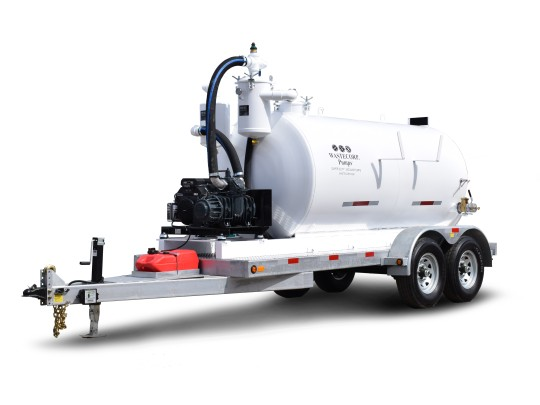
Vacuum Pump For Septic Truck — what really matters?
Contractors often focus on brand names. The performance difference actually comes down to CFM, vacuum level (inHg), duty cycle, and pump type.
Read too: Top Trucking Companies That Still Have Manual Transmissions
Key metrics to compare:
- CFM (Cubic Feet per Minute): How fast you can move air → how fast you load
- Max vacuum (inHg): How strongly you can lift waste from depth
- Duty cycle: How long the pump can run without overheating
- Moisture tolerance: How well the pump handles vapor and carryover
A mismatch here is the #1 cause of slow jobs and pump failures.
The two main pump types used on septic trucks
1) Rotary Vane Vacuum Pumps
- High CFM, fast loading
- Oil-lubricated, tight tolerances
- Best for routine residential pumping
- Sensitive to liquid carryover without proper filtration
2) Liquid Ring Vacuum Pumps
- Extremely tolerant of moisture and vapors
- Slightly lower peak efficiency
- Ideal for grease traps, industrial, and wet applications
- Uses water as the sealing medium
Technical background on vacuum pump principles:
https://en.wikipedia.org/wiki/Vacuum_pump
Comparison Table: Rotary Vane vs. Liquid Ring
| Feature | Rotary Vane | Liquid Ring |
|---|---|---|
| Loading speed | Very fast | Moderate |
| Moisture handling | Moderate | Excellent |
| Maintenance | Oil & filters | Water management |
| Ideal jobs | Septic tanks, residential | Grease, wet waste |
| Longevity | High with care | Very high in wet duty |
How many CFM does a septic truck really need?
This depends on tank size and hose length.
Rule of thumb used by fleet operators:
- 1,000–1,500 gal tank → 300–400 CFM
- 2,000–3,000 gal tank → 400–650 CFM
- Long hose runs (>150 ft) → add 15–20% more CFM
Higher CFM reduces load time by 30–50% per job, which directly increases daily revenue capacity.
Real-world example from a U.S. pumper fleet
A Midwest operator upgraded from a 320 CFM unit to a 500 CFM rotary vane pump:
- Average load time dropped from 14 min → 8 min
- 2 extra jobs per day
- Fuel use reduced due to shorter PTO time
- ROI achieved in under 5 months
Step-by-step: Correct pump sizing for your truck
Step 1: Measure tank capacity
Example: 2,500 gallons
Step 2: Measure average hose length
Example: 125 ft of 3″ hose
Step 3: Identify job type
Mostly residential septic → rotary vane preferred
Step 4: Target performance
Aim for 500–600 CFM at 15–18 inHg
Step 5: Verify PTO compatibility
Confirm required RPM and rotation direction
Installation best practices that prevent failures
Improper installation ruins even the best pump.
Critical details:
- Use oil catch muffler and primary/secondary shutoff
- Install vacuum relief valve set at 18–20 inHg
- Keep suction line straight, avoid sharp bends
- Mount pump with proper airflow for cooling
- Use 3″ plumbing minimum for high CFM systems
Common mistakes septic operators make
- Running pump past safe vacuum level
- Skipping oil checks (daily visual check takes 10 seconds)
- Using undersized hoses
- No moisture trap → vane scoring
- Ignoring filter replacement schedule
These mistakes account for most premature rebuilds.
Maintenance schedule (fleet-proven)
| Task | Frequency |
|---|---|
| Check oil level | Daily |
| Change oil | Every 100 hours |
| Inspect filters | Weekly |
| Check belts & PTO | Monthly |
| Full inspection | Every 6 months |
Consistent maintenance can double pump lifespan from ~3 years to 6+ years.
Signs your current pump is undersized or failing
- Slow tank fill times
- Excessive heat from housing
- Oil turning milky (moisture contamination)
- Loss of vacuum after 10–15 minutes
- Loud vane chatter noise
Cost vs. value: why the right pump pays for itself
A high-performance Vacuum Pump For Septic Truck may cost more upfront, but:
- Adds jobs per day
- Reduces fuel and engine wear
- Cuts rebuild frequency
- Lowers downtime
For many operators, the difference equals $20,000–$40,000 more revenue annually.
FAQ
What is the best CFM for a septic truck?
Most 2,000–3,000 gallon trucks perform best at 450–600 CFM.
Can a rotary vane pump handle moisture?
Yes, with proper traps and filters installed.
How long should a vacuum pump last?
5–8 years with proper maintenance.
What vacuum level is safe?
Operate between 15–18 inHg to avoid stress.
Is a liquid ring pump better for grease traps?
Yes, it handles wet vapor far better than rotary vane.
Conclusion
Choosing the right Vacuum Pump For Septic Truck is not about brand names—it’s about matching CFM, vacuum level, and pump type to your daily workload. When sized and installed correctly, the pump becomes a profit tool, not a maintenance problem.
If this guide helped you make a smarter decision, share it with other septic operators in your network.
Leave a Reply