
Welding On A Truck Frame is one of the most debated repairs in the automotive world. Whether you’re fixing rust damage, reinforcing a work truck, or restoring a classic pickup, frame welding affects the structural integrity of your vehicle.
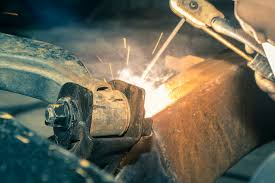
If done incorrectly, it can compromise safety. If done properly, it can extend the life of your truck for years. In this comprehensive guide, you’ll learn when frame welding is appropriate, how it’s done, what it costs, and what safety standards you should follow.
Read too: Top Trucking Companies That Still Have Manual Transmissions
Welding On A Truck Frame: Is It Safe and Legal?
Before striking an arc, the first question is legality and safety.
A truck frame is the structural backbone of the vehicle. It supports:
- Engine and drivetrain
- Suspension components
- Towing loads
- Crash energy distribution
For technical reference, truck frames are typically ladder-style chassis systems:
https://en.wikipedia.org/wiki/Vehicle_frame
Is It Legal?
In most U.S. states:
- Welding repairs are legal if done properly
- DOT regulations apply to commercial vehicles
- Insurance companies may require certified repair documentation
However, some manufacturers discourage frame welding unless performed by certified technicians.
When Should You Weld a Truck Frame?
Acceptable Situations
- Minor cracks (less than 3 inches)
- Localized rust damage
- Reinforcement for custom modifications
- Adding brackets or mounts
Situations to Avoid Welding
- Severe frame bending
- Large structural fractures
- Twisted chassis
- High-impact accident damage
In those cases, replacement may be safer than repair.
What Type of Welding Is Best for Truck Frames?
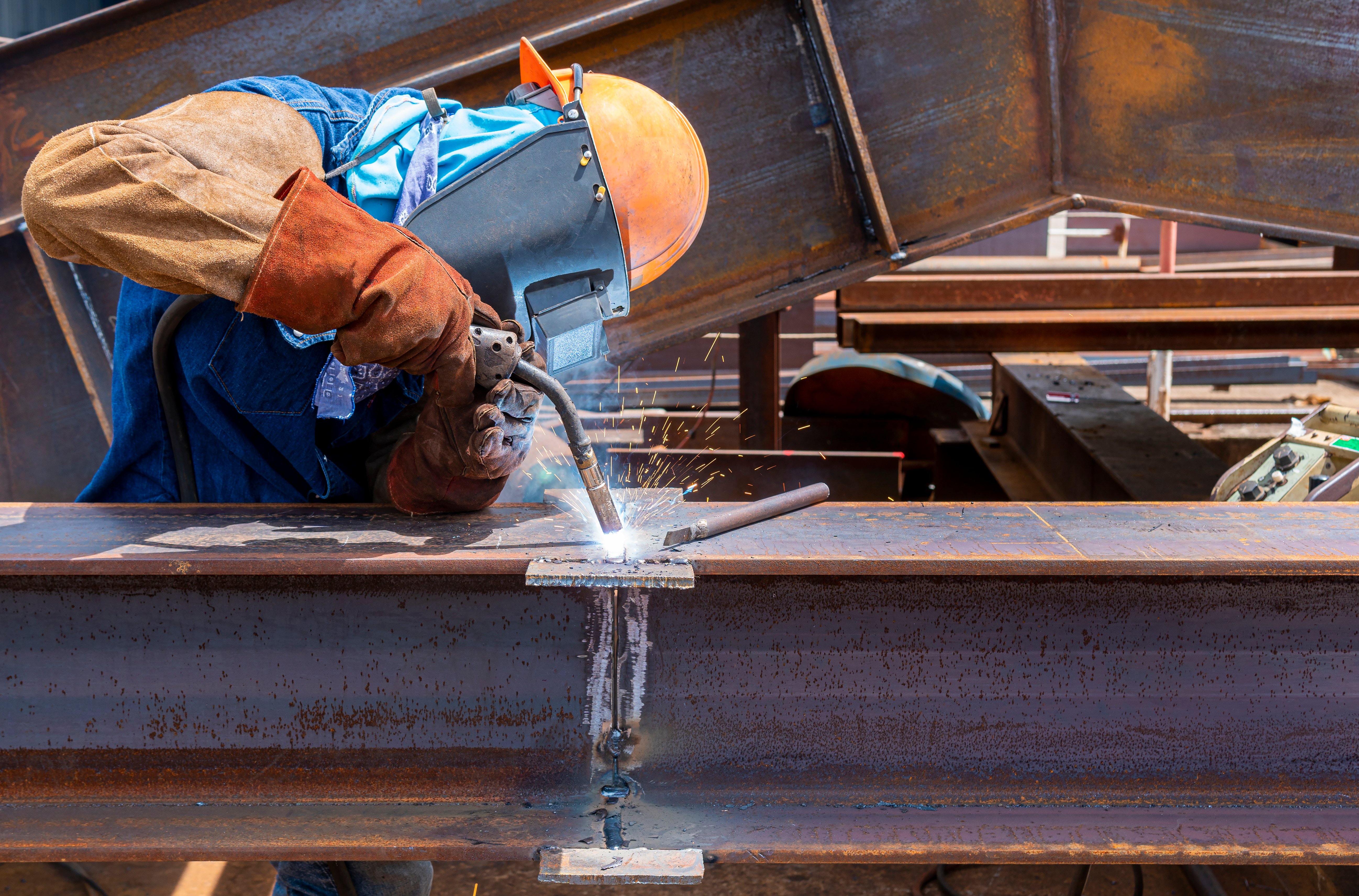
1. MIG Welding (Most Common)


4
Pros:
- Easier to control
- Cleaner weld
- Faster process
Cons:
- Requires shielding gas
- Less penetration than stick in some cases
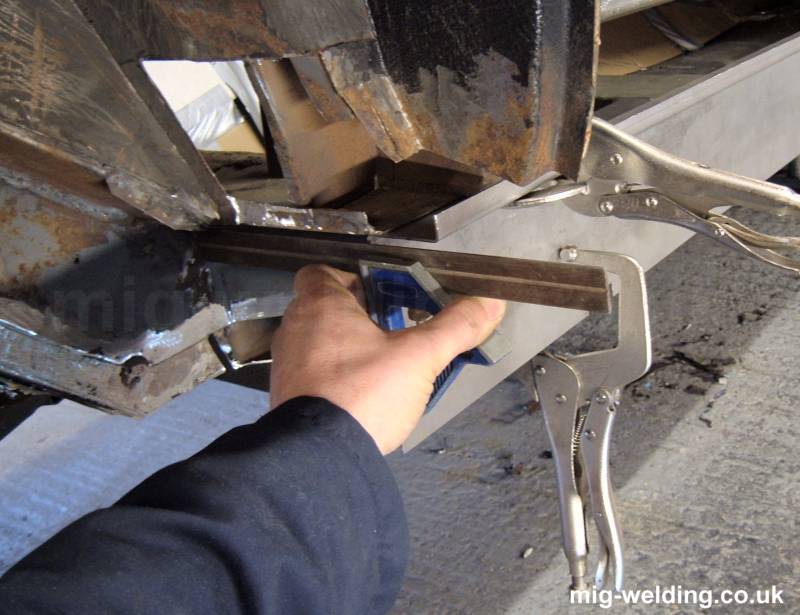
2. Stick Welding (SMAW)

4
Pros:
- Strong penetration
- Works well outdoors
- Affordable equipment
Cons:
- More spatter
- Harder for beginners
3. TIG Welding (Less Common for Frames)
Used primarily for precision or thin metals.
Step-by-Step: How Welding On A Truck Frame Is Done
⚠ Frame welding should only be performed by experienced welders. Improper welding can cause structural failure.
Step 1: Inspect the Damage
- Measure crack length
- Check for bending
- Inspect both sides of frame rail
Step 2: Prepare the Area
- Remove paint and rust (grind 1–2 inches around damage)
- Clean with acetone
- Ensure dry surface
Step 3: Drill Stop Holes (For Cracks)
Drill a 1/8-inch hole at each end of a crack to prevent spreading.
Step 4: Choose Filler Material
Most truck frames are high-strength steel. Use compatible filler rod or wire (e.g., ER70S-6 for MIG).
Step 5: Weld in Short Passes
- Use controlled heat
- Avoid overheating frame
- Weld in 1–2 inch segments
- Allow cooling between passes
Step 6: Reinforce If Necessary
Use fish plates (reinforcement plates) with rounded corners.
Never weld square-corner plates—they create stress points.
Step 7: Grind and Inspect
- Smooth weld bead
- Check for porosity
- Inspect penetration
How Much Does Welding On A Truck Frame Cost?
| Repair Type | Estimated Cost |
|---|---|
| Minor Crack Repair | $300 – $800 |
| Reinforcement Plate Install | $600 – $1,500 |
| Rust Section Repair | $1,000 – $2,500 |
| Severe Structural Repair | $2,500 – $5,000+ |
Costs depend on:
- Labor rates ($90–$150/hr typical)
- Severity of damage
- Frame accessibility
- Shop certification level
Can Welding Weaken a Truck Frame?
Yes—if done incorrectly.
Risks Include:
- Excessive heat causing metal brittleness
- Poor penetration leading to weak joints
- Stress concentration points
- Frame warping
Proper heat control and reinforcement prevent these issues.
Welding vs Frame Replacement: Pros and Cons
Welding
Advantages:
- Lower cost
- Faster turnaround
- Maintains original VIN alignment
Disadvantages:
- Not suitable for major damage
- Requires high skill
Frame Replacement
Advantages:
- Restores full structural integrity
- Best for severe collision damage
Disadvantages:
- Expensive ($5,000–$15,000)
- Labor intensive
Safety Tips When Welding a Truck Frame
- Disconnect battery
- Remove fuel tank if nearby
- Use fire-resistant blankets
- Ensure proper ventilation
- Wear full PPE (helmet, gloves, jacket)
According to industry safety data, improper welding procedures are among the leading causes of garage fires.
How Long Does a Welded Truck Frame Last?
If properly repaired:
- 5–15+ years
- Dependent on usage
- Dependent on rust prevention
Applying rust-proof coating after welding significantly extends lifespan.
Does Welding Affect Truck Resale Value?
Yes.
Buyers may:
- Request inspection reports
- Negotiate lower price
- Require proof of certified repair
However, professionally documented repairs minimize resale impact.
FAQ – Welding On A Truck Frame
Is it safe to weld a cracked truck frame?
Yes, if damage is minor and repair is performed correctly by a skilled welder.
Can you weld high-strength steel frames?
Yes, but proper filler material and heat control are critical.
Does welding void warranty?
It may. Check manufacturer warranty terms.
Should I box my truck frame when welding?
Boxing increases strength but must be done carefully to avoid stress concentration.
Can I weld my own truck frame?
Only if you have advanced welding experience and understand structural repair standards.
How do I prevent future frame rust?
Apply rust-inhibiting primer and undercoating after repair.
Conclusion
Welding On A Truck Frame can be a safe and cost-effective solution when performed correctly. The key factors are proper inspection, correct welding method, heat control, and professional reinforcement.
Minor cracks and localized damage are repairable. Severe structural issues may require replacement instead.
If this guide helped clarify your options, consider sharing it with fellow truck owners or DIY enthusiasts. Making informed repair decisions keeps trucks safe, reliable, and road-ready for years to come.
Leave a Reply