
If you operate a truck or manage a trucking business, insurance requirements can feel confusing and overwhelming. One of the most common questions new and experienced drivers ask is What Is BIPD Insurance in Trucking, and why is it so important?
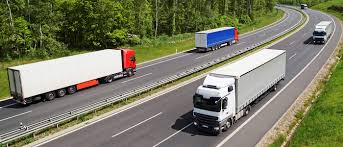
This guide explains BIPD insurance in plain English—what it covers, why it’s required, how much it costs, and how it protects your business from financial disaster.
What Is BIPD Insurance in Trucking?
BIPD insurance stands for Bodily Injury and Property Damage insurance. In the trucking industry, it is a core part of commercial auto liability insurance and is often legally required to operate.
Read too: Top Trucking Companies That Still Have Manual Transmissions
In simple terms, BIPD insurance covers:
- Bodily Injury (BI): Injuries or death caused to other people
- Property Damage (PD): Damage to vehicles, buildings, or other property owned by others
If your truck causes an accident, BIPD insurance helps pay for the resulting costs.
Why Is BIPD Insurance Mandatory for Truckers?
Legal Requirements
In the United States, the Federal Motor Carrier Safety Administration (FMCSA) requires minimum liability coverage for most commercial trucks operating interstate.
According to federal regulations:
- Most for-hire carriers must carry at least $750,000 in liability coverage
- Certain hazardous materials require up to $5 million
These liability limits are primarily satisfied through BIPD insurance.
What Does BIPD Insurance Cover Exactly?
Bodily Injury Coverage Includes
- Medical expenses
- Hospital bills
- Rehabilitation costs
- Lost wages
- Legal settlements or court judgments
Property Damage Coverage Includes
- Damage to other vehicles
- Damage to buildings or structures
- Road signs, guardrails, or utility poles
- Cargo belonging to others (in some cases)
Important: BIPD does not cover damage to your own truck.
What BIPD Insurance Does NOT Cover
Understanding exclusions is just as important.
Not Covered by BIPD
- Damage to your truck (requires physical damage insurance)
- Your own medical bills
- Cargo damage (requires cargo insurance)
- Theft or vandalism
- Mechanical breakdowns
This is why BIPD insurance is usually combined with other trucking insurance policies.
How Does BIPD Insurance Work After an Accident?
Step-by-Step Claims Process
- Accident Occurs
Your truck is involved in an incident causing injury or damage. - Claim Is Filed
The injured party files a claim against your insurance. - Investigation Begins
Insurers review police reports, witness statements, and damages. - Coverage Applies
BIPD insurance pays up to your policy limit. - Legal Defense (If Needed)
Your insurer may provide legal defense and settlement negotiation.
How Much Does BIPD Insurance Cost in Trucking?
Average Cost Range
- New authority owner-operators: $8,000–$14,000 per year
- Established carriers with clean records: $5,000–$9,000 per year
Factors That Affect Cost
- Driving history
- Type of freight hauled
- Operating radius (local vs long haul)
- Truck type and age
- Coverage limits selected
BIPD Insurance Coverage Limits Explained
Common Policy Limits
- $750,000 (FMCSA minimum)
- $1,000,000 (most common)
- $2,000,000 or more (higher-risk operations)
Higher limits offer better protection but increase premiums.
BIPD Insurance vs Other Trucking Insurance Types
Comparison Table
| Insurance Type | What It Covers | Required |
|---|---|---|
| BIPD Insurance | Injury & property damage to others | Yes |
| Physical Damage | Damage to your truck | No |
| Cargo Insurance | Freight damage or loss | Often |
| Bobtail Insurance | Non-dispatch driving | Sometimes |
| Workers’ Comp | Employee injuries | By state |
Is BIPD Insurance the Same as Public Liability?
Yes, in trucking terms, BIPD insurance is often referred to as public liability insurance. Both cover third-party injuries and property damage resulting from truck operations.
For a deeper explanation of liability insurance concepts, see the general definition on Wikipedia.org (external authority source).
How Much BIPD Insurance Do You Really Need?
While $750,000 meets minimum requirements, many brokers and shippers prefer carriers with $1 million or more in coverage.
Why Higher Limits Matter
- Medical costs rise quickly
- Lawsuits can exceed minimum limits
- Higher limits improve shipper trust
- Better protection for personal assets
Real-World Example: Why BIPD Matters
A tractor-trailer rear-ended a passenger vehicle at highway speed. Injuries required surgery and long-term rehab.
Claim Breakdown
- Medical bills: $620,000
- Vehicle replacement: $45,000
- Legal fees & settlement: $210,000
Total claim: $875,000
Without adequate BIPD coverage, the carrier would have faced out-of-pocket losses.
How to Lower Your BIPD Insurance Premium
Proven Cost-Saving Tips
- Maintain a clean driving record
- Use electronic logging devices (ELDs)
- Install dash cameras
- Choose higher deductibles
- Limit high-risk routes
- Work with trucking-focused insurance brokers
Safety-focused carriers often receive better rates.
Who Needs BIPD Insurance in Trucking?
Required For
- Owner-operators
- Fleet operators
- For-hire carriers
- Interstate trucking companies
- Some intrastate carriers (state-dependent)
Even leased operators usually need proof of BIPD coverage.
How BIPD Insurance Supports E-E-A-T
From a trust and authority perspective:
- Experience: Required by real-world carriers
- Expertise: Regulated by federal agencies
- Authoritativeness: Enforced by FMCSA filings
- Trustworthiness: Protects the public and businesses
This makes BIPD insurance foundational to trucking operations.
FAQ: What Is BIPD Insurance in Trucking
Q1: What does BIPD stand for in trucking?
BIPD stands for Bodily Injury and Property Damage insurance.
Q2: Is BIPD insurance required by law?
Yes, most commercial truckers must carry minimum liability coverage that includes BIPD.
Q3: Does BIPD cover my own injuries?
No. It only covers injuries to other people.
Q4: Is BIPD the same as cargo insurance?
No. Cargo insurance covers freight, while BIPD covers third-party injuries and property damage.
Q5: How much BIPD insurance should an owner-operator carry?
Most carry at least $1 million for better protection and shipper requirements.
Conclusion
Understanding What Is BIPD Insurance in Trucking is essential for staying legal, protecting your finances, and building a professional trucking operation. This coverage safeguards you from massive liability claims while ensuring compliance with federal regulations.
If this guide helped clarify BIPD insurance, share it on social media to help other drivers and trucking professionals make informed decisions. 🚛📘
Leave a Reply