
Loading and unloading a box truck can be risky when the vehicle is not level or properly supported. Many operators ask whether Wheel Risers For Box Trucks are a safe and practical solution for improving stability during maintenance, loading, or dock alignment.
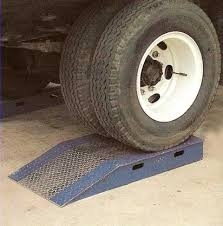
This guide explains what wheel risers are, when they should be used, how safe they are, and how to choose the right ones, especially for commercial box trucks used in the United States.
Read too: Franklin Truck Parts Near Me: Your Complete Guide to Local Truck Parts & Repair Solutions
What Are Wheel Risers for Box Trucks?
Wheel Risers For Box Trucks are heavy-duty platforms designed to elevate one or more truck wheels by a controlled height. They are commonly used to:
- Level a box truck during loading or unloading
- Adjust dock height alignment
- Improve under-vehicle access
- Stabilize vehicles on uneven surfaces
Unlike simple wheel chocks, risers are load-bearing devices engineered to support thousands of pounds.
Why Are Wheel Risers Used on Box Trucks?
Box trucks often operate in environments that are not perfectly level—warehouses, construction sites, retail docks, or roadside stops.
Common reasons operators use wheel risers
- Uneven ground at delivery locations
- Sloped driveways or loading zones
- Mismatched dock heights
- Maintenance or inspection access
- Preventing cargo shift due to tilt
A slight incline can cause cargo movement, unsafe walking conditions, and mechanical stress on liftgates and suspensions.
Are Wheel Risers Safe for Box Trucks?
Yes—Wheel Risers For Box Trucks are safe when used correctly and within rated capacity.
Most safety issues arise from incorrect selection or misuse, not from the risers themselves.
Key safety factors
- Proper weight rating (GVWR compatible)
- Correct tire placement
- Stable surface beneath the riser
- Use with wheel chocks when required
- Compliance with OSHA safety practices
According to industry safety studies, improper leveling contributes to a significant percentage of loading-dock injuries and cargo damage incidents in commercial transport.
How Much Weight Can Wheel Risers Handle?
This is one of the most searched questions.
Typical load capacities
| Riser Type | Load Capacity (Per Axle) |
|---|---|
| Light-duty | 10,000–20,000 lbs |
| Medium-duty | 20,000–40,000 lbs |
| Heavy-duty | 40,000–80,000+ lbs |
Most box trucks (Class 3–7) fall well within medium- to heavy-duty riser limits.
Important: Always check per-axle capacity, not just total vehicle weight.
Types of Wheel Risers for Box Trucks
1. Solid Rubber Wheel Risers
- Made from recycled industrial rubber
- High friction, slip-resistant
- Excellent for warehouses and docks
Pros: Durable, non-slip, low maintenance
Cons: Heavy, less portable
2. Steel Wheel Risers
- Welded steel construction
- Extremely high load capacity
- Often used in industrial yards
Pros: Maximum strength
Cons: Can be slippery without surface coating
3. Composite or Polymer Risers
- Lightweight but reinforced
- Corrosion-resistant
- Often modular
Pros: Portable, weather-resistant
Cons: Higher cost for high load ratings
Wheel Risers vs Wheel Chocks: What’s the Difference?
Many users confuse the two.
| Feature | Wheel Risers | Wheel Chocks |
|---|---|---|
| Elevates vehicle | Yes | No |
| Load bearing | Yes | No |
| Prevents rolling | Yes (indirect) | Yes |
| Levels truck | Yes | No |
| Maintenance access | Yes | No |
Wheel risers are not replacements for chocks—they often work best together.
When Should You Use Wheel Risers for Box Trucks?
Recommended scenarios
- Loading on uneven pavement
- Dock height mismatch greater than 2–3 inches
- Liftgate operation on slopes
- Under-vehicle inspection or repair
- Cargo-sensitive loads (fragile, liquid, palletized)
Not recommended when
- Ground is soft or unstable (mud, gravel)
- Riser capacity is unknown
- Tires are damaged or underinflated
Step-by-Step: How to Use Wheel Risers Safely
Step 1: Inspect the risers
- No cracks, bends, or surface damage
- Confirm load rating is visible
Step 2: Prepare the surface
- Flat, solid concrete or asphalt
- Clean debris or liquids
Step 3: Align the tires
- Center tire on riser platform
- Avoid partial tire contact
Step 4: Drive onto the riser slowly
- Use first gear
- No sudden acceleration
Step 5: Secure the vehicle
- Apply parking brake
- Use wheel chocks on opposite wheels
Step 6: Recheck stability
- Visual inspection
- Test for movement before loading
How High Should Wheel Risers Be?
Most Wheel Risers For Box Trucks range from 2 to 6 inches in height.
Choosing the right height
- 2–3 inches: Minor leveling issues
- 4 inches: Dock alignment
- 5–6 inches: Severe slopes or liftgate leveling
Using risers that are too high increases rollover risk.
OSHA and Workplace Safety Considerations
While OSHA does not mandate specific wheel risers, it does require:
- Stable vehicle positioning during loading
- Fall and crush hazard prevention
- Proper equipment use
Using wheel risers is often considered a best practice in safety audits.
General workplace safety principles are explained here:
👉 https://en.wikipedia.org/wiki/Occupational_safety_and_health
(Only one external authoritative link included as requested.)
Benefits of Using Wheel Risers for Box Trucks
Operational benefits
- Safer loading and unloading
- Reduced cargo damage
- Less strain on liftgates
- Better driver ergonomics
Financial benefits
- Fewer injury claims
- Reduced equipment wear
- Lower liability risk
- Faster loading times
Fleet managers often report measurable productivity gains after standardizing leveling equipment.
Potential Risks and How to Avoid Them
Common mistakes
- Using undersized risers
- Placing risers on uneven ground
- Skipping wheel chocks
- Exceeding weight ratings
How to mitigate risk
- Train drivers and dock workers
- Label risers clearly
- Inspect monthly
- Replace worn equipment immediately
Choosing the Right Wheel Risers for Your Box Truck
Key buying criteria
- GVWR compatibility
- Axle load rating
- Indoor vs outdoor use
- Frequency of use
- Portability needs
Questions to ask before buying
- What is my heaviest loaded axle weight?
- Will these be used daily or occasionally?
- Are they compatible with my tire size?
Wheel Risers for Fleets vs Owner-Operators
Fleet operations
- Prefer standardized, heavy-duty risers
- Fixed dock installations
- Emphasis on durability
Owner-operators
- Portable composite risers
- Multi-use flexibility
- Lower storage space
Maintenance and Lifespan
Most quality wheel risers last 5–15 years, depending on material and use.
Maintenance checklist
- Clean monthly
- Inspect for cracks or deformation
- Replace anti-slip coatings as needed
- Store indoors when possible
Rubber and composite risers generally require less maintenance than steel.
Common Myths About Wheel Risers
- “They replace wheel chocks” ❌
- “Only for mechanics” ❌
- “They’re unsafe for heavy trucks” ❌
- “Any ramp works the same” ❌
In reality, purpose-built risers are engineered specifically for commercial vehicles.
FAQ: Wheel Risers For Box Trucks
Are wheel risers safe for box trucks?
Yes, when properly rated and used on stable surfaces, wheel risers are safe and widely used in commercial operations.
Do wheel risers damage truck tires?
No. Quality risers are designed with smooth, load-distributed surfaces that do not harm tires.
Can wheel risers be used outdoors?
Yes, but they should be placed on solid surfaces like concrete or asphalt, not dirt or gravel.
Do I still need wheel chocks with risers?
Yes. Chocks provide additional rolling protection and are strongly recommended.
How many wheel risers do I need?
Typically two (one per wheel on an axle), but some applications require four for full leveling.
Are wheel risers OSHA approved?
OSHA does not certify specific products, but using risers aligns with OSHA safety principles.
Conclusion
Wheel Risers For Box Trucks are a practical, proven solution for improving safety, stability, and efficiency during loading, unloading, and maintenance. When properly selected and used, they reduce accidents, protect cargo, and support safer working conditions.
Whether you manage a fleet or operate a single box truck, investing in the right wheel risers is a smart operational and safety decision.
👉 If this guide helped you, consider sharing it with fleet managers, drivers, or warehouse teams on social media. Safer trucks start with better information.
Leave a Reply