
Running a trucking or logistics business today requires more than trucks and drivers. Customers expect real-time tracking, fast communication, and seamless digital experiences. That’s where a White Label Trucking App Solution becomes a game changer. Instead of building software from scratch, companies can launch a branded, fully functional trucking app under their own name—saving time, money, and development risk.
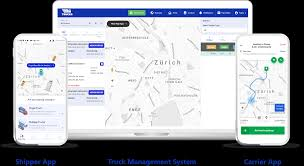
If you’re looking to modernize operations, increase customer satisfaction, and stay competitive in the U.S. logistics market, this guide will walk you through everything you need to know.
What Is a White Label Trucking App Solution?
A White Label Trucking App Solution is a ready-made trucking software platform developed by a third-party provider that can be customized with your company’s branding, logo, and features. It allows logistics companies, freight brokers, and fleet operators to offer a mobile and web-based system without building it from scratch.
Read too: Top Trucking Companies That Still Have Manual Transmissions
In simple terms, it’s:
- Pre-developed software
- Fully rebranded as your own
- Scalable for business growth
- Faster to launch than custom development
For general context about white-label products, see:
https://en.wikipedia.org/wiki/White-label_product
Why Are Trucking Companies Choosing White Label Solutions?
The U.S. freight and logistics industry moves trillions of dollars in goods annually. Digital transformation is no longer optional—it’s essential.
Key reasons companies adopt white label trucking apps include:
- Rising customer expectations for tracking transparency
- Need for automated dispatching
- Increasing operational costs
- Competition from tech-driven freight platforms
According to industry technology adoption trends, companies implementing digital fleet management systems often report improved efficiency and reduced manual errors.
What Features Should a White Label Trucking App Include?
Not all solutions are created equal. When evaluating a White Label Trucking App Solution, look for the following core modules:
1. Real-Time GPS Tracking
- Live driver location
- Route optimization
- Estimated arrival time updates
2. Dispatch Management
- Automated load assignment
- Digital documentation
- Driver communication tools
3. Fleet Monitoring Dashboard
- Fuel consumption tracking
- Maintenance scheduling
- Performance analytics
4. Customer Portal
- Shipment tracking
- Digital invoices
- Proof of delivery uploads
5. Driver App Interface
- Job notifications
- E-signatures
- Navigation integration
A strong solution integrates mobile apps (iOS and Android) with a centralized admin panel.
How Does a White Label Trucking App Solution Reduce Costs?
One of the biggest advantages is cost efficiency compared to custom development.
Custom Development Costs:
- $80,000–$250,000+ initial build
- 6–12 months development time
- Ongoing maintenance expenses
White Label Solution Costs:
- Subscription-based pricing
- Faster deployment (4–12 weeks)
- Lower upfront investment
Lower capital risk makes white label platforms especially attractive for small to mid-sized fleets.
Step-by-Step: How to Implement a White Label Trucking App Solution
If you’re considering launching your own branded trucking app, follow this structured roadmap.
Step 1: Define Your Business Goals
Ask:
- Are you focusing on fleet efficiency?
- Do you want to improve customer tracking?
- Are you targeting independent drivers?
Clear objectives guide feature selection.
Step 2: Evaluate Technology Providers
Compare vendors based on:
- Platform reliability
- Scalability
- Data security
- Customization flexibility
- Customer support
Request demos and technical documentation.
Step 3: Customize Branding
Apply:
- Company logo
- Brand colors
- Custom domain
- Tailored user interface
Brand consistency builds trust and professionalism.
Step 4: Integrate Existing Systems
Ensure compatibility with:
- Accounting software
- Telematics devices
- Payment gateways
- CRM systems
Integration prevents data silos.
Step 5: Train Drivers and Staff
Conduct onboarding sessions:
- Install the app on all devices.
- Provide login credentials.
- Walk through dispatch workflow.
- Test real-time tracking.
- Simulate proof-of-delivery process.
Clear training ensures adoption success.
Benefits vs Limitations of White Label Trucking Apps
Benefits
✔ Faster time to market
✔ Lower development risk
✔ Built-in technical support
✔ Scalable infrastructure
✔ Predictable pricing
Limitations
❌ Less flexibility than fully custom software
❌ Dependency on provider updates
❌ Subscription-based long-term cost
Understanding both sides ensures realistic expectations.
Security and Compliance Considerations
Data security is critical in transportation technology.
A strong White Label Trucking App Solution should include:
- Encrypted data transmission (SSL)
- Secure cloud hosting
- Role-based access control
- Backup and disaster recovery protocols
Additionally, compliance with federal transportation data standards helps protect your business from regulatory risk.
How Does a White Label Trucking App Improve Customer Experience?
Modern shippers demand visibility. With a branded trucking app, customers can:
- Track shipments in real time
- Receive automated status updates
- Access digital proof of delivery
- Communicate instantly with dispatch
This transparency reduces phone inquiries and increases trust.
Case Study: Mid-Sized Fleet Modernization
A 50-truck regional carrier implemented a White Label Trucking App Solution to replace manual dispatch spreadsheets.
Results after 6 months:
- 22% reduction in dispatch time
- 15% increase in on-time deliveries
- Fewer billing disputes
- Improved driver satisfaction
Digital documentation significantly reduced paperwork errors.
How Does It Support Fleet Growth?
Scalability is one of the most valuable features.
As your business grows:
- Add more vehicles easily
- Expand to new regions
- Introduce new service tiers
- Integrate advanced analytics
Cloud-based infrastructure supports expansion without major IT investments.
Common Mistakes to Avoid
- Choosing the cheapest provider without vetting reliability
- Skipping integration testing
- Ignoring driver feedback
- Underestimating training requirements
- Failing to review service-level agreements (SLAs)
A strategic approach prevents costly disruptions.
FAQ – Frequently Asked Questions
What is a White Label Trucking App Solution?
It is a pre-built trucking software platform that can be rebranded and customized under your company name.
How long does implementation take?
Typically 4–12 weeks, depending on customization and integration requirements.
Is white label software secure?
Yes, if developed by reputable providers offering encrypted data and secure hosting.
Can small trucking companies use it?
Absolutely. White label platforms are especially beneficial for small and mid-sized fleets.
Is it better than custom-built software?
It depends on budget and timeline. White label solutions are faster and lower risk, while custom builds offer maximum flexibility.
Conclusion
A White Label Trucking App Solution offers a practical and scalable way to modernize your logistics operations without the high cost and long development timeline of custom software. From dispatch automation to customer tracking and performance analytics, it empowers trucking businesses to compete in today’s digital marketplace.
If your goal is to improve efficiency, strengthen customer relationships, and prepare for future growth, exploring white label trucking technology is a smart next step.
If this guide helped clarify your decision, share it with fellow fleet operators or logistics professionals who are considering digital transformation.
Leave a Reply