
Running a trucking business comes with serious risk. From loading docks to long-haul routes, injuries can happen — and when they do, Workers Compensation Insurance For Trucking Companies becomes essential.

If you own or manage a fleet, you need to understand how workers comp works, what it covers, how much it costs, and how to protect both your drivers and your company. This complete guide breaks it down clearly.
Read too: Franklin Truck Parts Near Me: Your Complete Guide to Local Truck Parts & Repair Solutions
Workers Compensation Insurance For Trucking Companies Explained



4
Workers Compensation Insurance For Trucking Companies provides medical and wage benefits to employees injured while performing job-related duties.
In most U.S. states, it is legally required if you have employees.
Workers’ compensation systems were established to protect both employers and workers:
https://en.wikipedia.org/wiki/Workers%27_compensation
For trucking companies, coverage is particularly important due to the physically demanding nature of the job.
What Does Workers Compensation Cover for Trucking Companies?
Understanding coverage helps prevent expensive surprises.
Standard Coverage Includes:
- Medical treatment for job-related injuries
- Partial wage replacement
- Rehabilitation costs
- Disability benefits
- Death benefits (if applicable)
Common Trucking Injuries Covered:
- Back injuries from lifting freight
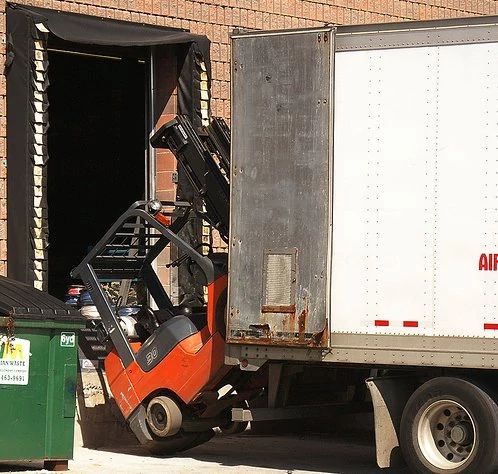
- Slip and fall incidents at docks
- Vehicle-related injuries (non-liability cases)
- Repetitive strain injuries
- Equipment-related injuries
Because truck drivers often handle heavy cargo and long hours, musculoskeletal injuries are among the most common claims.
Is Workers Comp Required for Trucking Companies?
In nearly every U.S. state, yes — if you employ drivers as W-2 employees.
Important Distinction:
| Worker Type | Workers Comp Required? |
|---|---|
| W-2 Employee | Yes (in most states) |
| Independent Contractor | Usually no |
| Owner-Operator (no employees) | Often optional |
However, misclassifying drivers as independent contractors can result in severe penalties.
State laws vary significantly, so compliance must be reviewed carefully.
How Much Does Workers Compensation Insurance Cost for Trucking Companies?
Cost depends on several factors:
- Payroll size
- Number of drivers
- Claims history
- State regulations
- Type of freight hauled
Trucking is considered a high-risk industry, which increases premiums.
Average Estimated Rates:
- $5 to $25 per $100 of payroll (varies widely by state and risk classification)
Example:
If your driver earns $60,000 annually and your rate is $15 per $100 of payroll:
$60,000 ÷ 100 = 600
600 × $15 = $9,000 annual premium
Multiply by fleet size to estimate total cost.
Why Are Trucking Workers Comp Premiums So High?

4
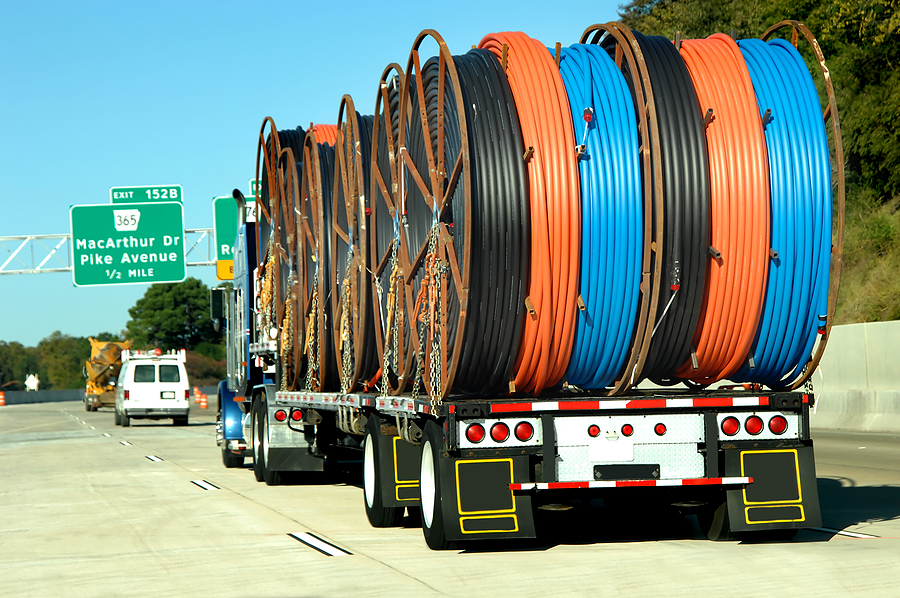
Trucking presents elevated risk because of:
- Long driving hours
- Heavy equipment
- Cargo loading
- Highway exposure
- Dock operations
Injury severity in trucking tends to be higher than office-based industries.
Insurance companies calculate risk using classification codes and claims history.
How Can Trucking Companies Lower Workers Comp Costs?
Reducing premiums requires proactive safety management.
1. Implement Safety Training
- Defensive driving courses
- Load securement training
- Fall prevention at docks
2. Enforce Pre-Trip Inspections
Regular inspections reduce mechanical failures that lead to injuries.
3. Create a Return-to-Work Program
Modified duties help injured drivers return sooner, lowering claim costs.
4. Maintain Clean Safety Records
Fewer claims = lower experience modification factor (EMR).
5. Use Telematics
Monitoring harsh braking and speeding reduces accident frequency.
Step-by-Step: How to Obtain Workers Comp Insurance for Your Trucking Company
Step 1: Gather Business Information
- Payroll totals
- Number of employees
- Business classification code
- Claims history (past 3–5 years)
Step 2: Contact Licensed Insurance Agents
Obtain quotes from multiple providers specializing in trucking.
Step 3: Review Coverage Details
Check:
- Exclusions
- Maximum payout limits
- Deductibles
Step 4: Verify State Compliance
Ensure coverage meets state minimums.
Step 5: Maintain Documentation
Keep certificates readily available for audits and contracts.
Workers Comp vs Occupational Accident Insurance
Many trucking companies compare these two.
| Feature | Workers Comp | Occupational Accident |
|---|---|---|
| State mandated | Yes | No |
| Covers employees | Yes | Independent contractors |
| Medical coverage | Yes | Yes |
| Wage replacement | Yes | Limited |
| Legal protection | Yes | Limited |
Occupational accident policies are sometimes used for independent contractors but do not replace required workers comp coverage.
What Happens If You Don’t Carry Workers Comp?
Failure to maintain required coverage can lead to:
- Fines and penalties
- Stop-work orders
- Lawsuits
- Personal liability
- Loss of contracts
Many shippers and brokers require proof of coverage before doing business.
Real-World Example
A mid-sized trucking company with 20 drivers experienced two lifting-related injuries in one year.
Because they lacked a structured safety program:
- Premiums increased 18% at renewal.
- EMR rating rose.
- Annual cost increased by over $25,000.
After implementing mandatory safety training and injury reporting procedures, claim frequency dropped significantly within two years.
FAQ – Workers Compensation Insurance For Trucking Companies
Is workers comp mandatory for owner-operators?
If you have no employees, it may not be required. Laws vary by state.
Can I classify drivers as contractors to avoid workers comp?
Improper classification can result in fines and lawsuits.
What injuries are most common in trucking claims?
Back injuries, slips, falls, and cargo handling injuries.
How are premiums calculated?
Based on payroll, classification code, and claims history.
Does workers comp cover accidents on the highway?
Yes, if the injury occurs during job-related activity.
How often are policies audited?
Typically annually, based on actual payroll figures.
Final Thoughts
Workers Compensation Insurance For Trucking Companies isn’t just a legal requirement — it’s a financial protection strategy. Injuries in the trucking industry can be severe, and proper coverage protects both drivers and your business.
The key is proactive management:
- Train your drivers.
- Maintain safe equipment.
- Track claims history.
- Review coverage annually.
A well-managed workers comp policy reduces long-term costs and strengthens your company’s credibility with shippers and brokers.
If this guide helped clarify your coverage needs, consider sharing it with fellow fleet owners. Smart risk management keeps your business rolling safely and sustainably.
Leave a Reply