
If you operate or maintain commercial vehicles, choosing the right Air Compressor For Heavy Duty Trucks is not optional—it’s essential. From air brakes to suspension systems, a failing compressor can lead to costly downtime and serious safety risks. This guide explains how heavy-duty truck air compressors work, what they cost, how to choose the right one, and how to maximize performance over time.
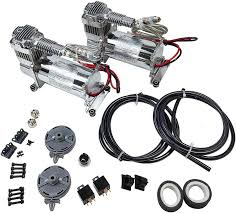
What Is an Air Compressor for Heavy Duty Trucks?
An air compressor for heavy duty trucks is a mechanical device that generates compressed air to power critical vehicle systems, including:
- Air brake systems
- Air suspension
- Transmission controls
- Tire inflation and auxiliary tools
Read too: Franklin Truck Parts Near Me: Your Complete Guide to Local Truck Parts & Repair Solutions
Unlike light-duty compressors, truck air compressors are engine-driven, built for continuous operation, and designed to withstand high temperatures and pressure cycles.
According to fleet maintenance data, over 70% of commercial truck safety violations involve air system issues—most commonly compressor-related failures.
How Does a Heavy Duty Truck Air Compressor Work?
A truck air compressor converts mechanical energy from the engine into compressed air.
Basic Working Process
- Engine crankshaft drives the compressor
- Ambient air is drawn into the cylinder
- Air is compressed via piston movement
- Pressurized air is stored in air tanks
- Governor regulates pressure (typically 100–125 PSI)
This continuous cycle ensures reliable braking and system operation during long hauls.
For a technical overview of air compressor mechanics, see
👉 https://en.wikipedia.org/wiki/Air_compressor
(External authoritative source – Wikipedia)
Why Is the Air Compressor Critical for Heavy Duty Trucks?
A malfunctioning air compressor can cause:
- Brake failure or delayed braking
- Suspension instability
- Increased stopping distance
- DOT compliance violations
In the U.S., FMCSA regulations require air brake systems to maintain minimum pressure levels. A weak or failing compressor directly affects compliance and road safety.
Types of Air Compressors for Heavy Duty Trucks
Single-Cylinder Compressors
Best for: Medium-duty applications
Pros:
- Lower cost
- Simpler design
Cons:
- Limited air output
- Higher wear under constant load
Twin-Cylinder Compressors
Best for: Long-haul and heavy-duty trucks
Pros:
- Higher airflow (CFM)
- Better cooling
- Longer service life
Cons:
- Higher upfront cost
Gear-Driven vs Belt-Driven
| Type | Advantages | Disadvantages |
|---|---|---|
| Gear-Driven | Durable, precise | Higher repair cost |
| Belt-Driven | Easier replacement | Belt wear risk |
Most modern heavy-duty trucks use gear-driven compressors for reliability.
Air Compressor for Heavy Duty Trucks: Cost Breakdown
The cost varies by brand, capacity, and truck class.
Average Price Ranges (US Market)
| Compressor Type | Price Range |
|---|---|
| Remanufactured | $350 – $700 |
| New OEM | $900 – $1,800 |
| Premium High-Output | $2,000 – $3,500 |
Installation Costs
- Labor: $400 – $1,000
- Total replacement cost: $1,200 – $4,000
💡 Fleet operators report that preventive replacement costs 40% less than emergency roadside failures.
Key Specifications You Should Understand
CFM (Cubic Feet per Minute)
Measures airflow output. Heavy duty trucks typically require 12–20 CFM.
Operating Pressure
Standard operating range:
- Cut-in: ~100 PSI
- Cut-out: ~125 PSI
Cooling Method
- Air-cooled (most common)
- Liquid-cooled (high-performance fleets)
Lubrication
- Oil-lubricated (longer life, more maintenance)
- Oil-free (less common in heavy-duty trucks)
How to Choose the Right Air Compressor for Your Truck
Step-by-Step Selection Guide
- Identify your engine model (Cummins, Detroit, CAT, etc.)
- Check OEM compatibility
- Determine air demand (brakes, suspension, accessories)
- Choose new vs remanufactured
- Confirm warranty (minimum 12 months recommended)
👉 Tip: Always match the compressor to engine RPM range, not just PSI.
OEM vs Aftermarket Air Compressors
OEM Compressors
Pros
- Perfect fit
- Factory-tested
- Lower failure risk
Cons
- Higher price
Aftermarket Compressors
Pros
- Lower upfront cost
- Wide availability
Cons
- Quality varies
- Shorter lifespan in some cases
📌 For fleets with high mileage trucks, OEM or premium remanufactured units provide better ROI.
Common Signs of a Failing Truck Air Compressor
- Slow air pressure build-up
- Excessive oil in air lines
- Unusual knocking noise
- Frequent governor cycling
- Brake warning lights
Ignoring these signs can lead to complete brake system failure.
Maintenance Tips to Extend Compressor Life
Proper maintenance can extend compressor life by up to 30%.
Best Practices
- Drain air tanks daily
- Replace air dryer cartridges every 12 months
- Monitor oil consumption weekly
- Inspect belts/gears every 50,000 miles
⏱ Average compressor lifespan:
- Poor maintenance: 300,000 miles
- Proper maintenance: 600,000+ miles
Case Study: Fleet Cost Reduction
A Midwest logistics fleet (120 trucks) switched from reactive to preventive compressor replacement.
Results after 12 months:
- 28% reduction in roadside breakdowns
- $92,000 saved in emergency repairs
- Improved DOT inspection pass rate
This highlights the financial impact of choosing the right air compressor for heavy duty trucks.
Environmental & Fuel Efficiency Impact
A worn compressor increases engine load, leading to:
- Higher fuel consumption
- Increased emissions
- Reduced engine efficiency
Studies show that inefficient air systems can increase fuel use by 1–3%, which adds up significantly over long-haul operations.
FAQ – Air Compressor for Heavy Duty Trucks
What is the average lifespan of a heavy duty truck air compressor?
With proper maintenance, most compressors last 500,000–600,000 miles.
Can I drive with a failing air compressor?
Short distances may be possible, but it is unsafe and illegal if air pressure drops below minimum limits.
Is a remanufactured air compressor reliable?
Yes, if sourced from a certified supplier with testing and warranty.
How long does replacement take?
Professional replacement typically takes 4–8 hours, depending on truck model.
Does a stronger air compressor improve braking?
It improves air recovery time, not braking force directly—but faster recovery enhances safety.
Conclusion: Is the Right Air Compressor Worth It?
Choosing the correct Air Compressor For Heavy Duty Trucks is a critical investment in safety, uptime, and long-term cost control. While upfront costs may seem high, the right compressor reduces breakdowns, improves compliance, and protects your entire air system.
Leave a Reply