
Many professional drivers eventually begin exploring Alternative Careers For Truck Drivers. Long hours on the road, time away from family, and changing industry conditions can make drivers consider new opportunities.
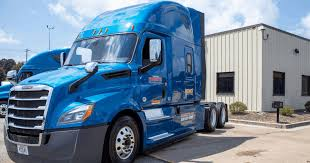
The good news is that truck drivers already possess valuable skills such as navigation, logistics knowledge, discipline, and safety awareness. These abilities can open doors to several rewarding careers—both within and outside the transportation industry.
Read too: Top Trucking Companies That Still Have Manual Transmissions
Why Truck Drivers Consider Career Changes
Before exploring Alternative Careers For Truck Drivers, it’s important to understand why many drivers look for new opportunities.
Common reasons include:
- long hours away from home
- physical fatigue
- rising fuel and maintenance costs
- desire for better work-life balance
According to labor statistics, trucking remains one of the largest occupations in the United States. The industry transports over 70% of domestic freight, meaning logistics experience is highly valuable in many other roles.
More information about the industry can be found here:
https://en.wikipedia.org/wiki/Trucking_industry_in_the_United_States
Because drivers understand freight movement, supply chains, and vehicle operation, they can transition into several well-paying careers.
Skills Truck Drivers Already Have
Truck drivers possess many transferable skills that apply to other industries.
Key Skills
- route planning and navigation
- vehicle maintenance knowledge
- safety compliance
- time management
- communication with dispatch and customers
- logistics coordination
These abilities make drivers strong candidates for careers in transportation, logistics, management, and technical services.
Best Alternative Careers For Truck Drivers
Below are some of the most popular and practical career paths.
1. Freight Dispatcher
A freight dispatcher coordinates loads between shippers, brokers, and truck drivers.
Responsibilities
- scheduling shipments
- communicating with drivers
- negotiating freight rates
- planning routes
Average salary
$45,000 – $70,000 per year.
Why it’s a good transition
Truck drivers already understand:
- freight schedules
- trucking regulations
- driver challenges
Many dispatchers start working from home after completing short training courses.
2. Logistics Coordinator
A logistics coordinator manages transportation and supply chain operations for companies.
Typical duties
- tracking shipments
- managing inventory
- coordinating freight deliveries
- communicating with carriers
Salary range
$50,000 – $75,000 annually.
Companies value former truck drivers because they understand real-world transportation challenges.
3. CDL Instructor
Experienced drivers can become commercial driving instructors.
Job responsibilities
- teaching CDL students
- conducting driving tests
- explaining safety procedures
- supervising practice driving
Benefits
✔ steady schedule
✔ home every night
✔ stable demand for instructors
Average salary ranges between $45,000 and $65,000 per year.
4. Fleet Manager
Fleet managers oversee company trucks and drivers.
Duties include
- vehicle maintenance scheduling
- driver management
- safety compliance
- route planning
Because truck drivers already understand equipment and regulations, they often excel in this role.
Salary
$60,000 – $90,000 per year.
5. Warehouse Manager
Warehouse operations depend heavily on transportation knowledge.
Truck drivers transitioning into warehouse management understand:
- loading procedures
- shipping schedules
- inventory flow
Responsibilities
- managing warehouse staff
- coordinating shipments
- monitoring inventory
Average salary: $55,000 – $85,000 annually.
6. Trucking Business Owner
Many drivers decide to leave driving but remain in the industry by starting a business.
Possible options include:
- freight brokerage
- trucking company ownership
- logistics consulting
- dispatch services
Advantages
✔ industry knowledge advantage
✔ high income potential
✔ independence
However, business ownership requires strong financial planning and marketing.
7. Transportation Safety Officer
Safety professionals help companies comply with regulations.
Responsibilities
- reviewing driver logs
- training drivers on safety procedures
- ensuring DOT compliance
- conducting inspections
Salary
$60,000 – $80,000 per year.
Drivers with years of experience in safety practices are often strong candidates.
Comparison of Alternative Careers
| Career | Average Salary | Training Required |
|---|---|---|
| Freight Dispatcher | $45K–$70K | Short course |
| Logistics Coordinator | $50K–$75K | Some training |
| CDL Instructor | $45K–$65K | Instructor certification |
| Fleet Manager | $60K–$90K | Experience required |
| Warehouse Manager | $55K–$85K | Management skills |
Each path uses trucking knowledge in a different way.
Pros and Cons of Leaving Truck Driving
Advantages
✔ more time at home
✔ stable work schedules
✔ less physical stress
✔ new career opportunities
Disadvantages
✖ starting at entry-level pay in some roles
✖ learning new skills
✖ adjustment to office environments
How To Transition Into A New Career
If you’re considering Alternative Careers For Truck Drivers, follow this practical transition plan.
Step 1: Identify Your Strengths
Ask yourself:
- Do you enjoy planning routes?
- Do you prefer teaching?
- Are you interested in management?
Your preferences can help guide your next career.
Step 2: Research Career Requirements
Each career has different requirements.
For example:
- dispatcher training programs may take 4–12 weeks
- logistics certificates may take 3–6 months
Research training options before committing.
Step 3: Update Your Resume
Highlight transferable skills such as:
- logistics knowledge
- safety compliance
- equipment operation
- communication with clients
These skills make truck drivers attractive candidates in many industries.
Step 4: Network Within the Industry
Many jobs are found through connections.
Networking opportunities include:
- trucking forums
- LinkedIn industry groups
- transportation conferences
Connections can often lead to job opportunities.
Step 5: Consider Certification Programs
Certifications can improve job prospects.
Examples include:
- logistics certifications
- safety management training
- dispatcher courses
Short programs can significantly improve hiring chances.
Emerging Career Opportunities for Drivers
The transportation industry continues to evolve.
Some emerging career options include:
- logistics technology specialist
- fleet data analyst
- supply chain consultant
These roles combine logistics experience with technology skills.
FAQ: Alternative Careers For Truck Drivers
What jobs can truck drivers transition to?
Truck drivers often transition into logistics, dispatching, fleet management, warehouse operations, or CDL instruction.
Do truck drivers need additional education for new careers?
Some roles require short certification programs, but many logistics jobs value experience over formal education.
Can truck drivers work from home?
Yes. Dispatching, freight brokerage, and logistics consulting can often be done remotely.
Which career pays the most for former truck drivers?
Fleet management and logistics management positions often offer the highest salaries.
Is it difficult to switch careers after trucking?
Not necessarily. Truck drivers already possess valuable skills that transfer well to transportation, logistics, and safety roles.
Conclusion
Exploring Alternative Careers For Truck Drivers can open the door to rewarding new opportunities while still using valuable industry experience.
From freight dispatching and logistics coordination to fleet management and teaching, many careers allow drivers to stay connected to the transportation industry while enjoying a more balanced lifestyle.
If you’re considering a career change, start by evaluating your skills, researching training programs, and networking with professionals in the industry.
And if this guide helped you explore new possibilities, consider sharing it on social media to help other drivers discover their next career path.
Leave a Reply