
Choosing the right cargo door can directly affect security, fuel efficiency, and daily productivity. Aluminum Roll-Up Doors For Trucks are one of the most popular solutions for box trucks, delivery vehicles, and commercial fleets in the US. In this guide, you’ll learn why aluminum roll-up doors are widely used, how they compare to other door types, and how to choose the right one for your truck—even if you’re new to fleet equipment.
What Are Aluminum Roll-Up Doors for Trucks?
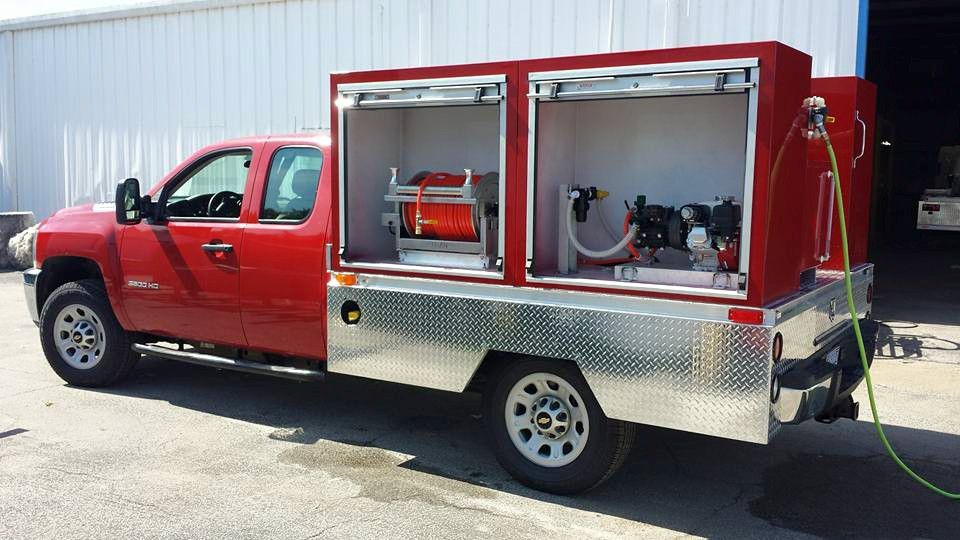
Aluminum roll-up doors are overhead-style cargo doors made from interlocking aluminum slats. When opened, the door rolls upward into a compact drum above the cargo opening.
Read too: Franklin Truck Parts Near Me: Your Complete Guide to Local Truck Parts & Repair Solutions
Key Characteristics
- Constructed from lightweight aluminum panels
- Roll vertically instead of swinging outward
- Designed for frequent opening and closing
- Common on box trucks, delivery trucks, and service vehicles
Because aluminum resists corrosion and weighs less than steel, these doors are especially suitable for high-mileage and urban delivery trucks.
Why Are Aluminum Roll-Up Doors So Popular?
The popularity of aluminum roll-up doors for trucks is driven by a mix of practical and economic benefits.
Main Reasons Fleets Choose Aluminum
- Reduced vehicle weight = better fuel efficiency
- Long service life with minimal rust
- Faster loading and unloading
- Improved cargo security
According to fleet efficiency studies, reducing vehicle weight by 10% can improve fuel economy by 6–8%, making lightweight components like aluminum doors a smart investment.
What Are the Benefits of Aluminum Roll-Up Doors for Trucks?
1. Lightweight Construction
Aluminum doors are significantly lighter than steel alternatives. This helps:
- Increase payload capacity
- Reduce strain on hinges and tracks
- Improve fuel efficiency over time
For delivery fleets running hundreds of thousands of miles annually, weight savings translate directly into lower operating costs.
2. Durability and Corrosion Resistance
Unlike steel, aluminum does not rust.
This makes aluminum roll-up doors ideal for:
- Coastal regions
- Snowy or wet climates
- Trucks exposed to road salt
With basic maintenance, aluminum doors can last 10–20 years in commercial use.
3. Space-Saving Design
Swing-out doors require clearance behind the truck. Roll-up doors do not.
Advantages of the roll-up mechanism:
- Easier loading in tight spaces
- Faster stops for delivery drivers
- Reduced risk of door damage
This is especially valuable for urban and last-mile delivery operations.
4. Enhanced Cargo Security
Most aluminum roll-up doors integrate:
- Heavy-duty locking systems
- Reinforced bottom bars
- Optional internal security features
This helps protect high-value cargo and reduces theft risk.
Aluminum vs Steel Roll-Up Doors: Which Is Better?
Comparison Table
| Feature | Aluminum Roll-Up Door | Steel Roll-Up Door |
|---|---|---|
| Weight | ✅ Lightweight | ❌ Heavy |
| Corrosion Resistance | ✅ Excellent | ⚠️ Moderate |
| Fuel Efficiency Impact | ✅ Positive | ❌ Negative |
| Upfront Cost | ⚠️ Medium | ✅ Lower |
| Long-Term Cost | ✅ Lower | ⚠️ Higher |
👉 Conclusion: Aluminum roll-up doors cost slightly more upfront, but usually offer better long-term value.
What Types of Trucks Use Aluminum Roll-Up Doors?
Aluminum roll-up doors for trucks are used across many industries.
Common Applications
- Box trucks (16–26 ft)
- Delivery vans and step vans
- Refrigerated trucks
- Utility and service vehicles
- Food and beverage distribution trucks
Their versatility makes them suitable for both small businesses and large fleets.
How Do Aluminum Roll-Up Doors Work?
Understanding the mechanism helps with maintenance and purchasing decisions.
Step-by-Step Operation
- Door panels slide upward along vertical tracks
- Panels wrap around a spring-loaded drum
- Counterbalance system reduces lifting effort
- Lock engages at the bottom bar when closed
The concept is similar to a residential garage door. For a general technical overview of roll-up door mechanisms, see Wikipedia:
👉 https://en.wikipedia.org/wiki/Rolling_shutter
Are Aluminum Roll-Up Doors Easy to Install?
Installation Overview
Professional installation is recommended, but understanding the process is helpful.
Typical installation steps:
- Measure door opening (width & height)
- Mount vertical tracks securely
- Install drum and spring assembly
- Attach aluminum slats
- Test balance and locking mechanism
⏱️ Average installation time: 3–5 hours, depending on truck size and door configuration.
How Much Do Aluminum Roll-Up Doors for Trucks Cost?
Prices vary based on size, thickness, and features.
Estimated Cost Range (US Market)
| Door Size | Approx. Cost |
|---|---|
| Small delivery truck | $800–$1,500 |
| Standard box truck | $1,500–$3,000 |
| Heavy-duty custom door | $3,000+ |
📌 While aluminum doors cost more than basic steel doors, maintenance and fuel savings often offset the difference within a few years.
How to Choose the Right Aluminum Roll-Up Door
Use this practical checklist before buying.
Buyer Checklist
- ✅ Truck type and cargo opening size
- ✅ Frequency of use (daily vs occasional)
- ✅ Cargo value and security needs
- ✅ Climate and weather exposure
- ✅ Budget (upfront vs long-term costs)
If your truck makes multiple daily stops, aluminum roll-up doors are usually the best option.
Maintenance Tips for Aluminum Roll-Up Doors
Proper maintenance extends lifespan and ensures safe operation.
Simple Maintenance Routine
- Inspect tracks monthly for debris
- Lubricate springs and rollers every 3–6 months
- Clean aluminum slats with mild soap and water
- Check locking mechanism regularly
🧰 Maintenance time: about 15–20 minutes per month.
Common Problems and How to Avoid Them
Typical Issues
- Door binding or sticking
- Loose slats
- Worn springs
Prevention Tips
- Don’t overload the door
- Avoid slamming shut
- Schedule annual professional inspection
Preventive care can reduce repair costs by up to 40% over the door’s lifespan.
Aluminum Roll-Up Doors: Pros and Cons
Advantages vs Disadvantages
| Pros | Cons |
|---|---|
| Lightweight | Higher upfront cost |
| Corrosion-resistant | Can dent if hit hard |
| Space-saving | Requires proper installation |
| Long lifespan | Spring system needs maintenance |
FAQ: Aluminum Roll-Up Doors for Trucks
❓ Are aluminum roll-up doors strong enough for heavy use?
Yes. Commercial-grade aluminum doors are designed for daily, high-cycle use.
❓ Do aluminum doors dent easily?
Aluminum can dent under heavy impact, but reinforced slats significantly reduce this risk.
❓ Can I replace a steel door with an aluminum roll-up door?
In most cases, yes—provided the opening dimensions and track system are compatible.
❓ How long do aluminum roll-up doors last?
With proper maintenance, 10–20 years is common in commercial fleets.
❓ Are aluminum roll-up doors weatherproof?
Yes. Most include seals that protect against rain, dust, and wind.
Conclusion
Aluminum Roll-Up Doors For Trucks offer a smart balance of durability, efficiency, and convenience. Their lightweight design improves fuel economy, their corrosion resistance extends lifespan, and their roll-up mechanism saves valuable space during loading.
🚚 If this guide helped you, share it with fleet managers, truck owners, or anyone comparing cargo door options.
Leave a Reply