
Driving a semi truck means managing blind spots, tight turns, and high-risk backing situations every single day. Mirrors alone are no longer enough to guarantee safety, especially in busy loading docks or urban routes. Choosing the Best Semi Truck Multi Camera System helps drivers reduce accidents, protect lives, and lower operating costs while improving confidence behind the wheel.
What Is a Semi Truck Multi Camera System?
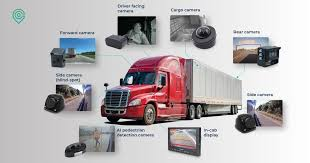
A semi truck multi camera system is a network of cameras installed around the truck that provides real-time video coverage of blind spots and critical viewing angles.
Read too: Franklin Truck Parts Near Me: Your Complete Guide to Local Truck Parts & Repair Solutions
A typical system includes:
- Rear backup camera
- Side blind-spot cameras (left & right)
- Front or bumper camera
- In-cab monitor or digital display
- Optional DVR recording module
These systems allow drivers to see areas that mirrors simply cannot cover, especially during lane changes, backing, and tight maneuvers.
Why Do Semi Trucks Need Multi Camera Systems?
Semi trucks have some of the largest blind spots of any road vehicle.
Key Safety Challenges
- Blind zones extending up to 60 feet
- High rollover risk during turns
- Limited rear visibility
- Pedestrian and cyclist exposure
According to industry safety studies, blind-spot-related crashes account for over 30% of serious truck accidents. Multi camera systems significantly reduce this risk.
Best Semi Truck Multi Camera System: Core Benefits
1. Blind Spot Elimination
Multi camera systems provide:
- 360° vehicle awareness
- Side-by-side camera views
- Reduced reliance on spotters
Drivers gain visual confirmation before changing lanes or backing.
2. Reduced Accidents and Liability
Fleets using camera systems report:
- Fewer backing collisions
- Reduced insurance claims
- Faster incident resolution with video evidence
Some insurers offer premium discounts for trucks equipped with multi camera systems.
3. Improved Driver Confidence and Comfort
Drivers feel less stressed when:
- Navigating tight docks
- Parking in congested yards
- Driving at night or in bad weather
This leads to better focus and lower fatigue.
How Does a Semi Truck Multi Camera System Work?
The cameras capture live video feeds that are transmitted to a central monitor in the cab.
Basic Operating Process
- Cameras activate via ignition or reverse gear
- Video feeds appear on a split-screen monitor
- Driver switches views manually or automatically
- Optional DVR records footage continuously
For a general overview of vehicle camera systems, see:
👉 https://en.wikipedia.org/wiki/Backup_camera
(External authoritative source – Wikipedia)
Key Features to Look for in the Best System
1. Camera Resolution
Minimum recommended specs:
- 720p HD (acceptable)
- 1080p Full HD (ideal)
Higher resolution improves object recognition and distance judgment.
2. Night Vision Performance
Look for:
- Infrared (IR) LEDs
- Low-lux sensors
- Automatic exposure adjustment
📌 Good night vision can reduce nighttime backing accidents by up to 40%.
3. Wired vs Wireless Systems
| Feature | Wired System | Wireless System |
|---|---|---|
| Signal reliability | Excellent | Moderate |
| Interference risk | None | Possible |
| Installation effort | Higher | Lower |
| Long-term durability | High | Medium |
Most professional fleets prefer wired systems for consistent performance.
4. Monitor Size and Layout
Recommended monitor features:
- 7–10 inch display
- Split-screen or quad-view mode
- Anti-glare coating
- Dash or windshield mounting
Smaller screens limit situational awareness.
Single Camera vs Multi Camera Systems
Single Camera Systems
Pros
- Lower cost
- Simple installation
Cons
- Limited coverage
- Persistent blind spots
Multi Camera Systems
Pros
- Full blind-spot visibility
- Enhanced safety
- Better maneuvering in tight spaces
Cons
- Higher initial investment
📌 For semi trucks, multi camera systems are strongly recommended.
How Much Does a Semi Truck Multi Camera System Cost?
Average US Price Ranges
| System Type | Price Range |
|---|---|
| Basic 2-camera system | $300 – $600 |
| 3–4 camera HD system | $600 – $1,200 |
| Advanced system with DVR | $1,200 – $2,500 |
| Fleet-grade 360° system | $2,000 – $4,000 |
Installation Costs
- DIY: $0 – $150
- Professional install: $300 – $800
💡 Most fleets see ROI within 6–12 months due to reduced accident costs.
Step-by-Step: How Multi Camera Systems Are Installed
For informational purposes only—professional installation is recommended.
- Mount cameras (rear, sides, front)
- Route wiring along frame rails
- Connect power (12V or 24V system)
- Install monitor in driver’s view
- Secure all cables and connectors
- Calibrate camera angles
- Test day and night visibility
⏱ Average install time: 3–6 hours
Common Mistakes When Choosing a System
- ❌ Choosing car-grade cameras
- ❌ Ignoring vibration ratings
- ❌ Poor cable protection
- ❌ Low-resolution monitors
- ❌ No warranty or technical support
The best semi truck multi camera system is commercial-grade and built for long-haul abuse.
Case Study: Fleet Safety Improvement
A regional freight carrier installed 4-camera systems on 60 semi trucks.
Results After 1 Year
- 47% reduction in backing accidents
- 35% decrease in insurance claims
- Improved driver retention
- Faster dispute resolution using video footage
This shows how camera systems deliver both safety and financial value.
Maintenance Tips for Long-Term Reliability
- Clean lenses weekly
- Inspect cables quarterly
- Check mounting brackets
- Test night vision monthly
Routine maintenance can extend system life by 25–30%.
Compliance and Legal Considerations
While not federally mandated for all semi trucks, camera systems support:
- FMCSA safety goals
- OSHA workplace safety standards
- Fleet risk management programs
Video recording also protects drivers during accident investigations.
FAQ – Best Semi Truck Multi Camera System
Is a multi camera system worth it for semi trucks?
Yes. It significantly reduces blind spots and accident risk.
How many cameras does a semi truck need?
Most setups use 3–4 cameras for full coverage.
Are wired systems better than wireless?
Yes. Wired systems offer greater reliability for commercial use.
Can multi camera systems record video?
Many systems include DVRs for continuous or event-based recording.
Do camera systems work in rain and snow?
Yes, if rated IP67 or higher.
Conclusion: Is the Best Semi Truck Multi Camera System a Smart Investment?
Choosing the Best Semi Truck Multi Camera System improves safety, reduces liability, and enhances driver performance. With proven accident reduction and fast ROI, these systems are no longer optional—they are a smart, forward-thinking investment for owner-operators and fleets alike.
Leave a Reply