
Driving a semi truck comes with blind spots, tight maneuvering, and constant safety risks. That’s why many drivers and fleet owners search for the Best Wireless Camera System for Semi Truck to improve visibility, reduce accidents, and protect their investment. In this guide, you’ll learn how wireless camera systems work, what features truly matter, and how to choose the right setup for long-haul and regional trucking in the US.
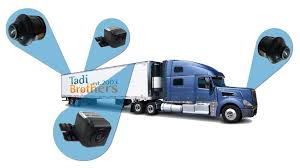
What Is the Best Wireless Camera System for Semi Truck?
A common People Also Ask question is: What makes a wireless camera system “the best” for semi trucks?
The best wireless camera system for semi truck is one that delivers:
- Stable wireless signal (even at highway speeds)
- Clear image quality (day and night)
- Reliable performance in harsh weather
- Easy installation without complex wiring
Read too: Top Trucking Companies That Still Have Manual Transmissions
Unlike basic backup cameras, professional-grade truck camera systems are designed for long trailers, vibration, and continuous use.
Why Semi Trucks Need Wireless Camera Systems
Many new drivers ask: Aren’t mirrors enough?
In reality, mirrors alone cannot eliminate blind spots.
Key safety reasons
- Semi trucks can have blind spots extending up to 30 feet
- Lane-change accidents account for a large share of truck-related incidents
- Backing accidents cause costly trailer and dock damage
Industry safety reports show that camera-assisted vehicles can reduce backing and lane-change incidents by over 25%.
Wireless vs Wired Camera Systems: Which Is Better?
Before choosing the best system, it’s important to understand the difference.
Wireless camera systems
Pros
- Faster installation
- No long video cables through the trailer
- Easy trailer switching
Cons
- Slightly higher cost
- Signal quality depends on system quality
Wired camera systems
Pros
- Extremely stable signal
- No wireless interference
Cons
- Complex installation
- Not ideal for multi-trailer operations
👉 For most owner-operators and fleets, wireless systems are the preferred choice.
Key Features to Look for in the Best Wireless Camera System for Semi Truck
Not all systems are equal. These features matter most.
1. Camera range and signal strength
Look for systems rated for up to 100 feet or more, ensuring a stable signal from trailer to cab.
2. Image quality (resolution)
- Minimum: 720p HD
- Ideal: 1080p Full HD
Clear resolution helps identify obstacles, pedestrians, and lane markings.
3. Night vision and low-light performance
Infrared LEDs or enhanced low-light sensors are essential for night driving and dark loading docks.
4. Weather resistance
Cameras should be rated IP67 or IP69K, meaning they can handle rain, dust, snow, and pressure washing.
5. Monitor size and layout
- Common sizes: 7-inch or 9-inch monitors
- Multi-channel display allows viewing 2–4 cameras simultaneously
Types of Wireless Camera Setups for Semi Trucks
Another frequent question: How many cameras do I actually need?
Common configurations
- Single rear camera: Basic backing assistance
- Dual system: Rear + blind spot
- Quad system: Rear, sides, and front
Expert tip: Long-haul drivers often choose 4-camera systems for maximum coverage.
Benefits vs Drawbacks of Wireless Camera Systems
Benefits
- ✔ Improved safety and awareness
- ✔ Reduced accident risk
- ✔ Lower insurance claims over time
- ✔ Easier backing and lane changes
Drawbacks
- ✖ Higher upfront cost
- ✖ Cheap systems may suffer signal drop
Overall, the safety benefits far outweigh the disadvantages.
Step-by-Step: How to Install a Wireless Camera System on a Semi Truck
Many drivers ask: Can I install it myself?
Yes—most wireless systems are DIY-friendly.
Step 1: Mount the camera
- Rear center of trailer (height: 3–5 feet)
- Use metal brackets or magnetic mounts
Step 2: Connect power
- Camera: trailer power or battery
- Monitor: 12V/24V cigarette lighter or fuse box
Step 3: Pair camera and monitor
- Power on both devices
- Press pairing button (usually 5–10 seconds)
Step 4: Test and adjust
- Check angle and brightness
- Test at idle and highway speeds
⏱ Installation time: 30–60 minutes
🔧 Skill level: Beginner-friendly
Cost Breakdown: How Much Does a Wireless Camera System Cost?
Price is one of the top search queries.
Typical US price ranges:
- Single-camera system: $150 – $300
- Dual-camera system: $300 – $500
- 4-camera system: $500 – $900
Higher-priced systems usually offer better signal stability and durability, which matters for professional use.
Are Wireless Camera Systems Legal in the US?
Yes. Wireless camera systems are legal in all US states as long as:
- The monitor does not obstruct the driver’s view
- Installation complies with FMCSA visibility guidelines
They are considered driver assistance devices, not distractions.
Real-World Use Case: Owner-Operator Perspective
Many owner-operators report:
- Faster docking times
- Reduced stress during night backing
- Fewer close calls in urban traffic
Some fleets have documented insurance savings of 5–10% after adopting camera systems.
Common Mistakes When Choosing a Truck Camera System
Avoid these pitfalls:
❌ Choosing consumer-grade cameras not rated for trucks
❌ Ignoring trailer length and signal range
❌ Mounting cameras too low or too high
❌ Buying systems without night vision
These mistakes often lead to dissatisfaction and replacement costs.
Maintenance and Longevity
Wireless camera systems are generally low maintenance.
Best practices:
- Clean lenses every 2–4 weeks
- Check mounting brackets monthly
- Update firmware if available
With proper care, a quality system can last 5–7 years.
Industry Context
Camera systems are part of broader vehicle safety technology used across commercial transport. A general overview of vehicle camera systems and driving assistance technology is available on Wikipedia.org:
https://en.wikipedia.org/wiki/Backup_camera
FAQ: Best Wireless Camera System for Semi Truck
What is the best wireless camera system for semi truck drivers?
The best system is one with long-range wireless signal, HD resolution, night vision, and weatherproof design.
Do wireless truck cameras work at highway speeds?
Yes, professional systems are designed to maintain signal stability at highway speeds.
Can one camera system work with multiple trailers?
Yes, many wireless systems allow pairing with multiple cameras for easy trailer switching.
Is night vision really necessary?
Absolutely. Many accidents occur in low-light or nighttime conditions.
Are wireless systems better than wired for fleets?
For fleets with multiple trailers, wireless systems offer greater flexibility and lower installation costs.
Conclusion
Choosing the Best Wireless Camera System for Semi Truck is not just about convenience—it’s about safety, efficiency, and peace of mind. With the right features, proper installation, and realistic expectations, wireless camera systems can significantly improve daily driving and reduce costly accidents.
If this guide helped you, share it on social media so other drivers and fleet owners can make smarter, safer decisions.
Leave a Reply