
If you operate commercial trucks, tractors, or trailers in California, you’ve likely heard about the BIT Program Truck/Tractor/Trailer Inspection and Maintenance Record. But do you know exactly what it requires—and how to stay compliant?
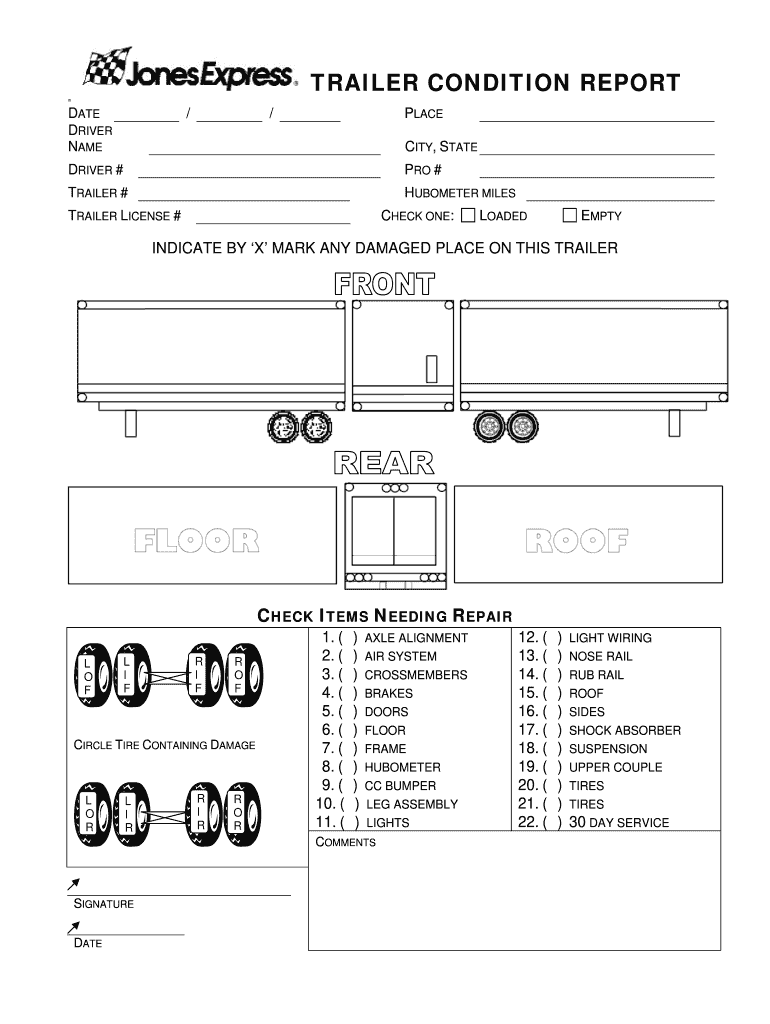
This guide walks you through the essentials of the BIT (Basic Inspection of Terminals) Program, helping you understand how to complete and maintain your inspection and maintenance records properly to avoid fines, stay safe, and pass audits with confidence.
Read too: Franklin Truck Parts Near Me: Your Complete Guide to Local Truck Parts & Repair Solutions
What Is the BIT Program and Why It Matters
The Basic Inspection of Terminals (BIT) Program is a safety initiative regulated by the California Highway Patrol (CHP). It ensures that commercial motor carriers maintain their vehicles in safe operating condition.
Key Purpose of the BIT Program:
- To verify that trucks, tractors, and trailers are regularly inspected and maintained.
- To promote public safety by preventing vehicle failures.
- To hold carriers accountable for recordkeeping and repair documentation.
According to the California Vehicle Code (CVC) Section 34505.5, carriers must perform regular inspections and maintain maintenance records for at least one year.
🔗 Learn more on Wikipedia – California Highway Patrol
Understanding the BIT Inspection and Maintenance Record
A BIT inspection and maintenance record is more than just paperwork—it’s legal proof that your fleet is safe to operate.
Each vehicle in your fleet (truck, tractor, or trailer) must have its own inspection and maintenance file, containing detailed records of inspections, repairs, and preventive maintenance.
What Each Record Should Include:
- Vehicle Identification
- Vehicle Number or VIN
- License Plate Number
- Make, Model, and Year
- Inspection Details
- Date of Inspection
- Type (Periodic, Annual, Brake, etc.)
- Inspector Name and Certification Number
- Maintenance & Repairs
- Description of Work Done
- Date Completed
- Name of Mechanic or Shop
- Parts Used or Replaced
- Signatures & Verification
- Driver or Fleet Manager Signature
- Mechanic’s Signature
- Date of Approval
💡 Tip: Keep all BIT records organized chronologically in a binder or digital logbook for quick access during audits.
How Often Should You Perform Inspections?
The CHP requires that every commercial vehicle undergo regular inspections every 90 days (minimum).
| Inspection Type | Frequency | Required By |
|---|---|---|
| Brake Inspection | Every 90 days | CVC §34505.5 |
| General Safety Inspection | Every 90 days | BIT Program |
| Annual DOT Inspection | Yearly | FMCSA Regulations |
| Pre-trip Check | Daily | Driver Responsibility |
Failure to maintain proper inspection intervals can lead to penalties up to $10,000 and even fleet suspension in severe cases.
Step-by-Step: How to Complete a BIT Program Maintenance Record
Follow this step-by-step guide to ensure your maintenance record meets CHP requirements:
Step 1: Identify the Vehicle
Write down the full VIN, plate number, and unit ID.
Make sure it matches the vehicle’s registration and DOT numbers.
Step 2: Record the Inspection Date
Use an accurate date format (MM/DD/YYYY).
Indicate if it’s a 90-day BIT inspection, annual inspection, or repair log entry.
Step 3: Document All Findings
List every system inspected, such as:
- Brakes
- Tires
- Lights & Reflectors
- Steering & Suspension
- Exhaust & Emissions
- Coupling Devices
Mark items as OK or Needs Repair.
Step 4: Record Maintenance or Repairs
If issues were found:
- Describe the repair (e.g., “Replaced left brake drum and pads”).
- Include date, parts used, and mechanic’s name.
- Attach shop invoices if available.
Step 5: Sign and File
Ensure both technician and fleet manager sign the form.
Store it for at least 12 months, and if a defect was found, keep until the next inspection is completed.
🧾 Example:
- Inspection Date: 10/15/2025
- Mechanic: John Smith, DOT Certified
- Repairs: Replaced rear brake chamber (Part #BC-240)
- Next Due Date: 01/15/2026
Best Practices for Fleet Compliance
1. Use a Digital Maintenance Log
Digital BIT record systems (like Fleetio or Whip Around) help you automate inspections and store cloud-based logs.
They also generate alerts for upcoming maintenance dates—reducing human error.
2. Train Your Drivers
Drivers must perform daily pre-trip inspections and report any defects immediately.
Encourage them to document issues through an app or checklist to prevent roadside breakdowns.
3. Retain Records Correctly
Maintain records:
- For at least 12 months while the vehicle is in service
- And for 6 months after it leaves service
Store both paper and digital backups for compliance.
4. Conduct Internal Audits
Review inspection and maintenance logs quarterly to ensure accuracy before CHP or DOT reviews.
Common Mistakes to Avoid
| Mistake | Why It’s a Problem | Solution |
|---|---|---|
| Missing repair documentation | Leads to non-compliance fines | Attach all invoices and mechanic notes |
| Using outdated inspection forms | Invalid during audit | Use the latest CHP-approved template |
| No mechanic certification info | Inspection may be rejected | Record license number of inspector |
| Poor record organization | Delays during audits | Sort by vehicle number & date |
Compliance Checklist for the BIT Program
✅ Vehicle ID clearly listed
✅ Inspection intervals followed (every 90 days)
✅ Repair logs attached with parts & dates
✅ Mechanic and supervisor signatures included
✅ Records retained for minimum required period
Why Accurate BIT Records Protect Your Business
Maintaining a thorough BIT inspection and maintenance record does more than fulfill a regulation—it builds trust and reduces risk.
Key Benefits:
- Avoid hefty fines and violations.
- Reduce downtime by catching problems early.
- Increase vehicle resale value through documented maintenance.
- Enhance safety reputation during CHP audits and DOT inspections.
According to FMCSA (2024), fleets with strong maintenance documentation experience 37% fewer roadside breakdowns and 25% higher operational efficiency.
FAQ – BIT Program Truck/Tractor/Trailer Inspection and Maintenance Record
1. What does “BIT” stand for?
BIT stands for Basic Inspection of Terminals, a California program ensuring motor carrier vehicle safety and record compliance.
2. How long must I keep my inspection and maintenance records?
You must keep them for at least one year while the vehicle is in use, and six months after it’s retired or sold.
3. Who can perform a BIT inspection?
A qualified mechanic or inspector trained and certified per CHP and FMCSA standards.
4. Can I use electronic inspection logs?
Yes, digital records are accepted if they include all required information and can be printed on demand during an audit.
5. What happens if I fail a BIT inspection?
You’ll receive a non-compliance notice, possible fines, and a follow-up inspection. Repeated violations can lead to operating suspension.
6. Is the BIT Program only for California?
Yes, it is a California-only program, though many other states follow similar FMCSA-based maintenance rules.
Conclusion
Keeping an accurate and up-to-date BIT Program Truck/Tractor/Trailer Inspection and Maintenance Record is critical for safety, compliance, and business success. It protects your drivers, prevents costly breakdowns, and keeps your operation legally sound under CHP and FMCSA rules.
If you manage a fleet or even a few commercial vehicles, invest in a consistent inspection process and reliable record system.
✅ Stay compliant. Stay safe. Stay on the road.
Leave a Reply