
If you operate commercial vehicles across state lines, understanding California Trip Permits For Trucks is essential before entering the state. California has strict registration and fuel tax requirements, and failing to comply can result in costly citations, delays, or even vehicle impoundment.
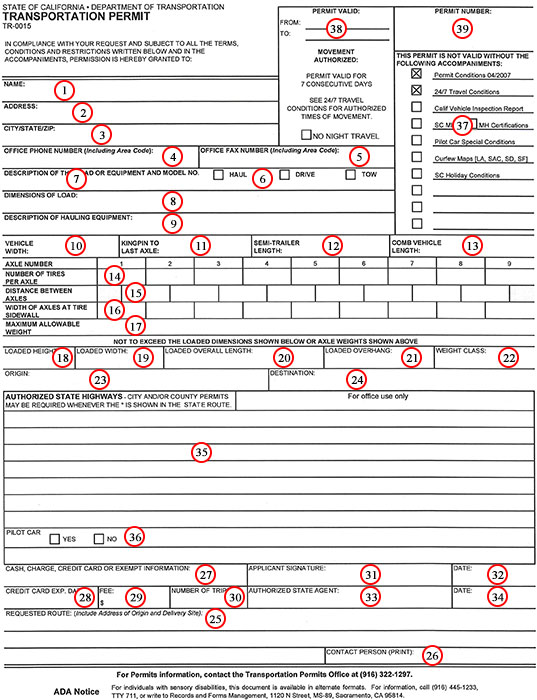
Whether you’re an owner-operator or managing a fleet, this guide will walk you step by step through how trip permits work, when you need one, how much they cost, and how to stay compliant.
Read too: Top Trucking Companies That Still Have Manual Transmissions
What Are California Trip Permits For Trucks?
California Trip Permits For Trucks are temporary permits that allow out-of-state commercial vehicles to legally operate within California without full California registration or fuel tax credentials.
There are two primary types:
- California Trip Permit (Vehicle Registration Permit)
- California Fuel Trip Permit (IFTA Temporary Permit)
These permits help ensure compliance with interstate transportation regulations. For broader context, interstate trucking operations are governed under frameworks such as the International Registration Plan (IRP):
https://en.wikipedia.org/wiki/International_Registration_Plan
When Do You Need a California Trip Permit?
This is one of the most common questions drivers ask.
You typically need a California trip permit if:
- Your truck is not registered under IRP
- You do not have valid California apportioned plates
- You are entering California for short-term operations
- Your IFTA credentials are not current
- You are operating a commercial vehicle over 10,000 lbs GVWR
If you already have IRP registration and valid IFTA decals, you may not need a trip permit.
What Types of California Trip Permits Exist?
1. Vehicle Registration Trip Permit
This permit allows a commercial vehicle to operate temporarily in California without IRP registration.
Key features:
- Valid for 4 consecutive days
- Required for qualifying interstate trucks
- Must be carried in the vehicle
2. California Fuel Trip Permit (IFTA Temporary Permit)
If you are not registered under IFTA (International Fuel Tax Agreement), you must purchase a temporary fuel permit.
Features:
- Valid for 4 consecutive days
- Required for interstate carriers
- Applies to vehicles over 26,000 lbs or with 3+ axles
How Much Do California Trip Permits Cost?
Costs can change, but generally:
- Vehicle Trip Permit: approximately $45–$75
- Fuel Trip Permit: approximately $30–$50
Some third-party permit services charge additional processing fees.
Failing to obtain a permit can result in fines exceeding $500 per violation, plus back taxes and penalties.
How to Apply for California Trip Permits For Trucks (Step-by-Step)
Applying is straightforward if you prepare properly.
Step 1: Gather Required Information
Have the following ready:
- Vehicle Identification Number (VIN)
- License plate number
- USDOT number
- Carrier name and address
- Travel dates (exact 4-day window)
Accuracy is critical.
Step 2: Choose Application Method
You can apply:
- Through California DMV
- Through authorized permit services
- At certain ports of entry
Many carriers prefer online permit services for speed.
Step 3: Select Valid Dates
Permits are valid for 4 consecutive days only.
Choose dates carefully. If your permit expires mid-route, you risk citations.
Step 4: Carry Permit Documentation
You must:
- Keep the permit inside the vehicle
- Present it upon request by enforcement officers
- Ensure it matches your VIN and dates
Electronic copies are sometimes acceptable, but always confirm.
What Happens If You Don’t Have a Permit?
California enforcement is strict.
Possible consequences:
- Fines starting at $500
- Vehicle placed out of service
- Delays at weigh stations
- Back tax assessments
California has one of the most regulated trucking compliance systems in the United States.
According to industry compliance reports, roadside inspection rates in California are among the highest nationally.
Are California Trip Permits Required for Intrastate Operations?
If you operate exclusively within California but lack proper registration, different requirements apply.
Trip permits are generally for interstate carriers entering temporarily.
If you plan ongoing operations in California, full IRP and IFTA registration is recommended.
California Trip Permits vs. Full Registration
| Feature | Trip Permit | Full IRP Registration |
|---|---|---|
| Duration | 4 days | Annual |
| Cost | Lower upfront | Higher annual |
| Best For | Occasional trips | Frequent CA operations |
| Admin Burden | Minimal | Ongoing compliance |
If you enter California more than 4–5 times per year, full registration is often more cost-effective.
Common Mistakes Trucking Companies Make
✔ Selecting incorrect travel dates
✔ Forgetting fuel permit requirements
✔ Not carrying documentation
✔ Using expired IRP credentials
✔ Assuming another state permit covers California
California operates independently in many compliance areas. Never assume reciprocity.
Real-World Example
An Arizona-based owner-operator entered California without a valid fuel trip permit.
Outcome:
- $650 citation
- 6-hour delay at weigh station
- Additional compliance audit
The driver later stated the issue was simple oversight.
A $40 permit could have prevented a $650 loss.
How Long Does It Take to Get a Permit?
Online services often process within:
- 15–60 minutes
At ports of entry:
- Processing depends on traffic
Plan ahead to avoid last-minute stress.
Are Trip Permits Transferable?
No.
Trip permits are:
- VIN-specific
- Date-specific
- Non-transferable
Using a permit on the wrong vehicle can trigger penalties.
Do Owner-Operators Need Separate Permits?
If operating under a carrier authority:
- The motor carrier may obtain permits
If operating independently:
- You are responsible for compliance
Always clarify responsibility in lease agreements.
Compliance Tips for Fleets
For fleet managers:
✔ Maintain compliance checklist
✔ Use automated permit reminders
✔ Keep digital backups
✔ Train dispatchers
✔ Audit permits quarterly
Prevention is cheaper than enforcement penalties.
Pros vs. Cons of California Trip Permits
Advantages:
✔ Quick access to CA market
✔ Low upfront cost
✔ Easy application
✔ Flexible short-term solution
Disadvantages:
✖ Limited to 4 days
✖ Not ideal for frequent entry
✖ Administrative tracking required
FAQ: California Trip Permits For Trucks
How long are California Trip Permits For Trucks valid?
They are valid for 4 consecutive days only.
Can I extend a California trip permit?
No. You must purchase a new permit for additional days.
Do I need both vehicle and fuel permits?
If you are not IRP or IFTA registered, yes—both may be required.
What weight triggers permit requirements?
Generally vehicles over 26,000 lbs GVWR or with three or more axles.
Can I buy permits at the border?
Yes, but it is safer and faster to purchase in advance online.
Are trip permits required for empty trucks?
Yes. Weight and registration status determine requirements—not cargo status.
Conclusion
Understanding California Trip Permits For Trucks is essential for avoiding fines, delays, and compliance headaches. Whether you’re making a one-time delivery or testing a new route, obtaining the proper permits ensures smooth entry into one of the largest freight markets in the United States.
For occasional trips, permits offer flexibility and affordability. For frequent operations, full IRP and IFTA registration may be the smarter long-term strategy.
If this guide helped clarify the process, consider sharing it with other drivers, fleet managers, or dispatch teams to help them stay compliant and avoid costly mistakes.
Leave a Reply