
Few upgrades change the look and presence of a rig like Chrome Stacks For Semi Trucks. For many owner-operators, chrome stacks are more than exhaust components—they’re a statement of pride, performance, and personality. This guide explains what chrome stacks are, how they work, how to choose the right ones, and what to consider before installing them on your semi.
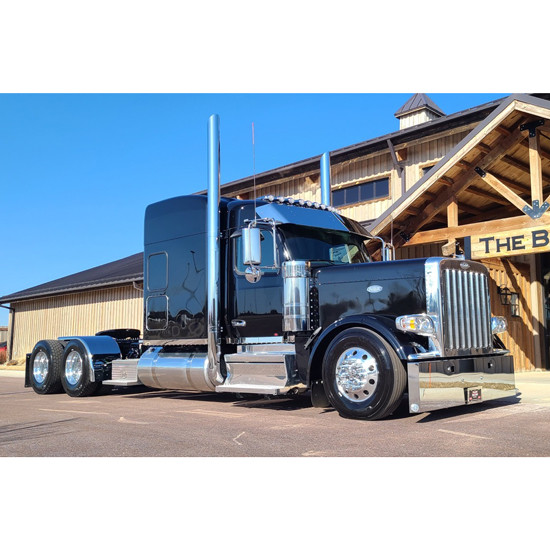
What Are Chrome Stacks for Semi Trucks?
Chrome stacks for semi trucks are vertical exhaust pipes, usually mounted behind the cab, finished with polished or chrome-plated steel.
Their main purposes are:
- Directing exhaust gases upward
- Enhancing truck appearance
- Improving exhaust flow (in some setups)
Read too: Franklin Truck Parts Near Me: Your Complete Guide to Local Truck Parts & Repair Solutions
They are most commonly seen on Class 8 trucks, especially long-hood conventionals.
Why Do Semi Trucks Use Vertical Exhaust Stacks?
Vertical stacks became popular for both practical and cultural reasons.
Functional Reasons
- Keeps hot exhaust away from trailers
- Reduces dust and debris circulation
- Helps in off-road or construction environments
Cultural Reasons
- Iconic “classic American truck” look
- Easy to customize with chrome finishes
- Strong association with owner-operator identity
Over time, chrome stacks became a symbol of custom trucking culture.
How Do Chrome Exhaust Stacks Work?
Chrome stacks are part of the truck’s exhaust system. They route exhaust gases from the engine, through the turbo and muffler, and out through vertical pipes.
This follows the same exhaust principles described here:
👉 https://en.wikipedia.org/wiki/Exhaust_system
When properly sized, stacks allow exhaust gases to exit efficiently without excessive backpressure.
Types of Chrome Stacks for Semi Trucks
Not all chrome stacks are the same. Choosing the right type depends on style, function, and local regulations.
1. Straight Chrome Stacks
Description:
Plain vertical pipes with open tops.
Pros
- Aggressive, classic look
- Lowest exhaust restriction
Cons
- Louder exhaust
- Rain can enter without covers
Best for show trucks or experienced drivers who like a bold sound.
2. Miter Cut Chrome Stacks
Description:
Stacks cut at an angle at the top.
Pros
- Stylish appearance
- Slightly better water deflection
Cons
- Still relatively loud
One of the most popular choices among custom rigs.
3. Curved or Turn-Out Chrome Stacks
Description:
Stacks curve outward at the top.
Pros
- Directs exhaust away from cab
- Helps with rain control
Cons
- Slightly less aggressive look
Good balance between style and practicality.
4. Stacks with Flappers (Rain Caps)
Description:
Includes hinged caps that open with exhaust pressure.
Pros
- Prevents rain and debris entry
- DOT-friendly in many areas
Cons
- Caps can rattle over time
Often used on working trucks exposed to weather.
Chrome Stacks vs Factory Exhaust
Comparison Table
| Feature | Chrome Stacks | Factory Exhaust |
|---|---|---|
| Appearance | High impact | Minimal |
| Customization | Extensive | Limited |
| Noise | Louder | Quieter |
| Cost | Higher | Included |
| Maintenance | Moderate | Low |
Chrome stacks are a style-forward upgrade, while factory exhaust focuses on compliance and simplicity.
What Size Chrome Stacks Do Semi Trucks Use?
Sizing is critical for both performance and fit.
Common Stack Diameters
- 5 inch – Most common on modern trucks
- 6 inch – Popular for show trucks and high-flow setups
- 7 inch – Primarily aesthetic, very aggressive
Common Stack Heights
- 60 inches
- 72 inches
- 84 inches
Rule of thumb:
Larger diameter = deeper sound, but only if matched correctly to engine output.
Do Chrome Stacks Improve Performance?
In most modern semi trucks, performance gains are minimal.
What They Can Do
- Improve exhaust flow if replacing restrictive pipes
- Slightly reduce exhaust backpressure
What They Don’t Do
- Add significant horsepower on their own
- Replace proper engine tuning
Performance improvements usually come from complete exhaust systems, not stacks alone.
Are Chrome Stacks Legal on Semi Trucks?
Legality depends on state and federal regulations.
General Guidelines
- Exhaust noise limits must be met
- Exhaust must not direct fumes into cab
- Stack height must not obstruct visibility
Some states enforce stricter noise rules, especially in urban areas.
Always check local DOT regulations before installation.
Step-by-Step: How Chrome Stacks Are Installed
Installation complexity varies by truck and exhaust layout.
Step 1: Measure Existing Exhaust
Confirm pipe diameter and routing.
Step 2: Choose Mounting Style
- Cab-mounted brackets
- Frame-mounted brackets
Step 3: Remove Factory Exhaust Sections
Usually behind the muffler.
Step 4: Install Chrome Stack Pipes
Ensure proper alignment and clearance.
Step 5: Secure Brackets
Prevent vibration and movement.
Step 6: Test for Leaks
Run engine and check connections.
Average install time: 2–4 hours
Skill level: Moderate mechanical experience
Maintenance: Keeping Chrome Stacks Shiny
Chrome requires regular care to maintain its finish.
Cleaning Tips
- Wash with mild soap weekly
- Avoid abrasive cleaners
- Dry immediately to prevent water spots
Polishing
- Use chrome polish every 1–2 months
- Apply in shade, temperature 22–28°C (72–82°F)
- Use microfiber cloths only
Proper care prevents rust and discoloration.
Pros and Cons of Chrome Stacks for Semi Trucks
Pros
- Iconic appearance
- High customization potential
- Strong resale appeal for show trucks
- Durable when properly maintained
Cons
- Higher upfront cost
- Increased exhaust noise
- Requires regular cleaning
- Potential regulatory issues
Understanding both sides helps avoid regret.
How Much Do Chrome Stacks Cost?
Average Price Range (US)
| Item | Cost |
|---|---|
| Chrome stacks (pair) | $300–$900 |
| Brackets & hardware | $100–$250 |
| Installation (shop) | $200–$500 |
| Total | $600–$1,600 |
Prices vary by diameter, height, and chrome quality.
Common Mistakes When Buying Chrome Stacks
- Choosing size based only on looks
- Ignoring exhaust backpressure
- Buying thin chrome plating
- Forgetting mounting hardware
- Not checking local noise laws
Avoiding these mistakes saves money and frustration.
Who Should Buy Chrome Stacks?
Chrome stacks are ideal for:
- Owner-operators
- Show truck builders
- Drivers wanting a classic look
- Trucks used in dry, open environments
They may not be ideal for:
- Noise-sensitive routes
- Strict urban compliance zones
- Low-maintenance fleet trucks
FAQ: Chrome Stacks For Semi Trucks
Do chrome stacks make a semi truck louder?
Yes. Most chrome stack setups increase exhaust volume compared to factory systems.
Are chrome stacks bad for the engine?
No, as long as they are properly sized and installed.
Do chrome stacks rust?
High-quality chrome resists rust, but poor maintenance or low-grade plating can lead to corrosion.
Can I install chrome stacks myself?
Yes, with mechanical experience and proper tools. Professional installation is recommended for best fit.
Are chrome stacks worth the money?
For drivers who value appearance and customization, yes. For pure utility, factory exhaust may be sufficient.
Conclusion
Chrome Stacks For Semi Trucks are one of the most recognizable upgrades in the trucking world. They offer unmatched visual impact, customization options, and classic appeal when chosen and installed correctly.
While they require investment and maintenance, chrome stacks remain a favorite among owner-operators who see their truck as more than just equipment—it’s a reflection of pride and professionalism.
If this guide helped you, share it on social media or with fellow truckers. The right exhaust setup can turn a working rig into a true head-turner 🚛✨
Leave a Reply