
Choosing a Commercial Fryer For Food Truck is one of the most important equipment decisions you’ll make. Space is tight, power is limited, and safety rules are strict—yet you still need speed and consistent food quality. This guide shows you how to pick the right fryer, power it correctly, and set it up for safe, high-volume service.
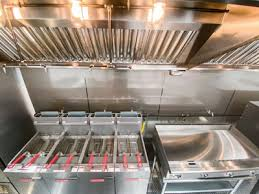
Commercial Fryer For Food Truck — What Makes It Different?
A fryer in a mobile kitchen faces constraints a restaurant doesn’t:
- Limited propane/electrical capacity
- Tight ventilation and clearance
- Strict fire suppression requirements
- Constant vibration while driving
Read too: Top Trucking Companies That Still Have Manual Transmissions
Understanding these constraints helps you avoid costly mistakes.
For general background on deep frying equipment, see Wikipedia:
https://en.wikipedia.org/wiki/Deep_fryer
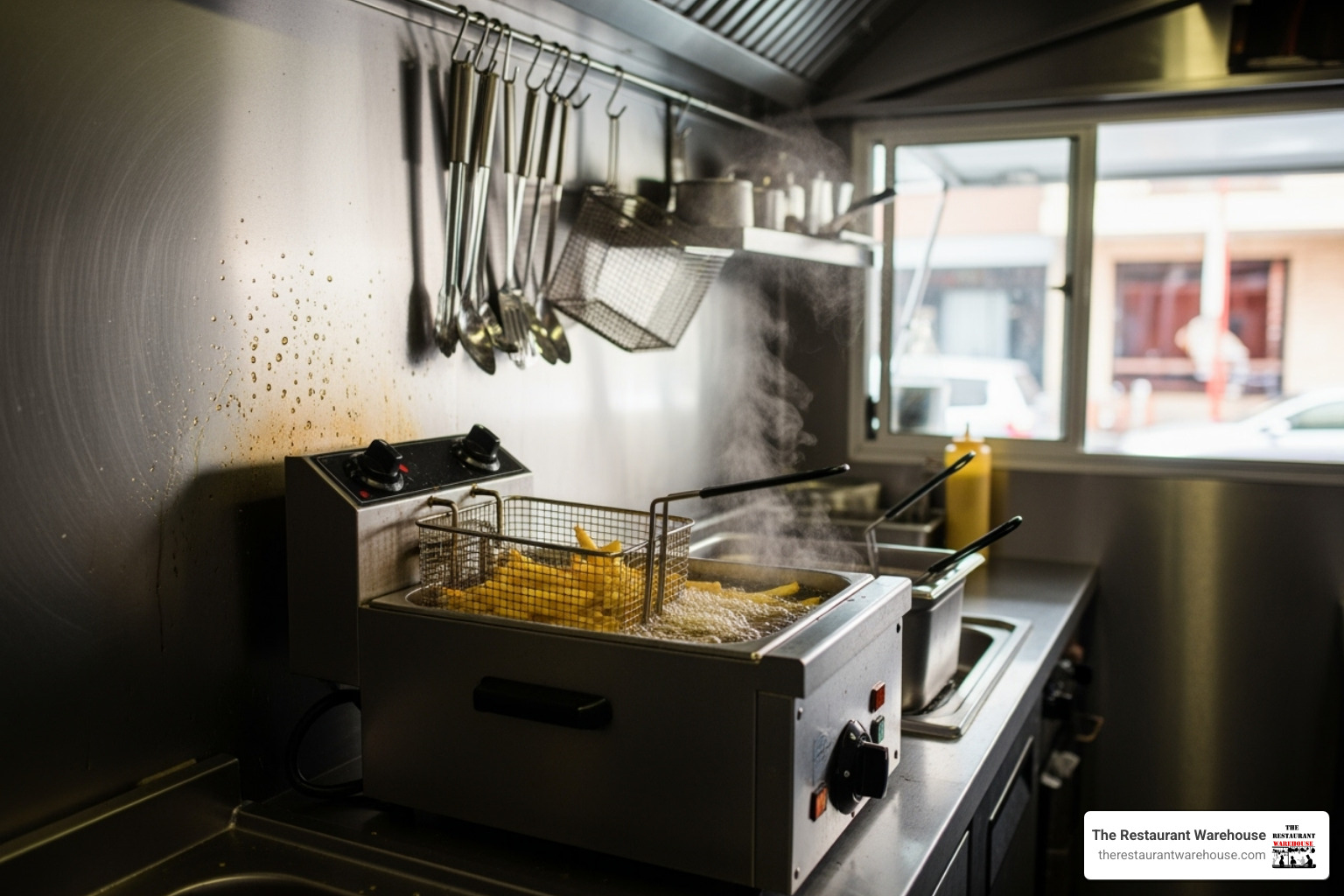
Common Fryer Types Used in Food Trucks


4
| Type | Fuel | Best For | Pros | Cons |
|---|---|---|---|---|
| Countertop propane | Propane | Fries, wings | Fast heat, compact | Needs ventilation |
| Electric countertop | Electric | Low-volume items | No open flame | High amp draw |
| Tube-type gas | Propane | High volume | Oil recovery speed | Larger footprint |
Most food trucks choose countertop propane fryers for power and size balance.
How Much Fryer Capacity Do You Need?
A simple rule:
1 lb of fries requires about 4–5 lbs of oil capacity for fast recovery.
| Menu Volume | Oil Capacity | Example Use |
|---|---|---|
| Low (snacks) | 8–12 lbs | Mozz sticks, nuggets |
| Medium | 15–20 lbs | Fries, tenders, wings |
| High | 30+ lbs | Continuous rush service |
Undersized fryers cause soggy food and long ticket times.
Propane vs Electric in a Food Truck
| Factor | Propane | Electric |
|---|---|---|
| Heat-up speed | Very fast | Moderate |
| Recovery time | Excellent | Slower |
| Power demand | Low electrical | High amps (30–50A) |
| Ventilation | Required | Required |
| Best choice | Most trucks | Limited cases |
Propane wins for most mobile kitchens.
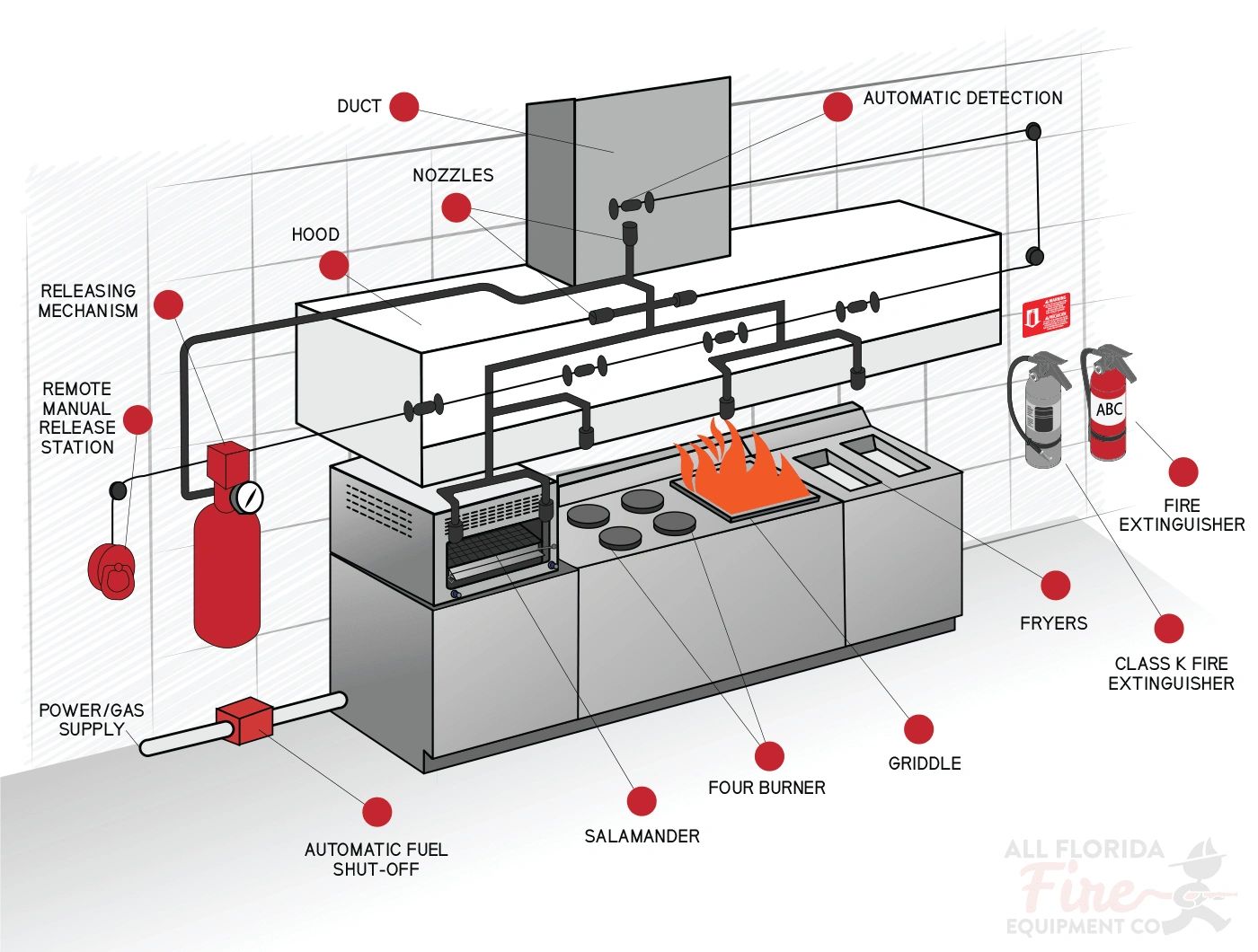
Ventilation and Fire Suppression (Critical)


4
Health and fire codes typically require:
- Type I hood system
- Built-in fire suppression (e.g., wet chemical)
- Stainless backsplash
- Minimum 6 inches wall clearance (often more by code)
Never install a fryer without confirming local fire code.
Step-by-Step: Installing a Fryer in Your Food Truck
- Position fryer under hood with required clearance
- Install stainless heat shield behind unit
- Connect propane line with approved regulator
- Leak-test using soapy water (bubbles = leak)
- Secure fryer to counter to prevent movement
- Test fire suppression coverage over fryer area
Oil Management for Speed and Profit
Oil is expensive. Good management saves money.
- Maintain oil at 325–350°F
- Filter oil daily
- Skim crumbs every hour
- Replace oil every 3–5 days (usage dependent)
Dirty oil slows cooking and ruins taste.
Real-World Example
A taco truck upgraded from a 10-lb electric fryer to a 20-lb propane unit. Ticket times dropped by 40%, and oil lasted two extra days due to faster recovery and less temperature drop.
Safety Practices Most Owners Overlook
- Never fill oil above MAX line
- Keep Class K fire extinguisher nearby
- Let oil cool to below 120°F before filtering
- Train staff on emergency gas shutoff
Pros vs Cons of Countertop Fryers
Pros
- Compact footprint
- Affordable
- Easy to replace
- Ideal for tight layouts
Cons
- Smaller batch size
- Requires frequent oil filtering
- Can struggle with very high volume
Daily Maintenance Checklist
| Task | Time |
|---|---|
| Skim debris | Every hour |
| Check propane fittings | Daily |
| Filter oil | End of shift |
| Wipe stainless surfaces | Daily |
| Inspect hood filters | Weekly |
Cost of a Commercial Fryer For Food Truck
| Item | Typical Cost |
|---|---|
| Countertop propane fryer | $400–$1,200 |
| Hood & suppression | $2,000–$5,000 |
| Propane setup | $150–$400 |
| Oil filtration tools | $80–$200 |
The hood system often costs more than the fryer.
FAQ — Commercial Fryer For Food Truck
Q1: What size fryer is best for fries and wings?
A 15–20 lb propane countertop fryer is ideal.
Q2: Can I use an electric fryer to avoid propane?
Yes, but power limits often make it impractical.
Q3: How often should I change oil?
Every 3–5 days depending on volume and filtering.
Q4: Do I need fire suppression over the fryer?
Yes, in almost all US jurisdictions.
Q5: Why does my fryer cook slowly during rush hour?
Oil capacity too small or oil is dirty.
Q6: Can I run two fryers?
Yes, if propane and hood capacity allow.
Conclusion
The right Commercial Fryer For Food Truck balances size, fuel type, safety, and speed. With proper setup, ventilation, and oil care, your fryer becomes a profit engine instead of a bottleneck.
If this guide helped you design a safer, faster kitchen, share it on social media with other food truck owners planning their setup.
Leave a Reply