
Running a freight brokerage involves more than coordinating shipments. Truck brokers also face legal and financial risks when accidents occur involving carriers they hire.
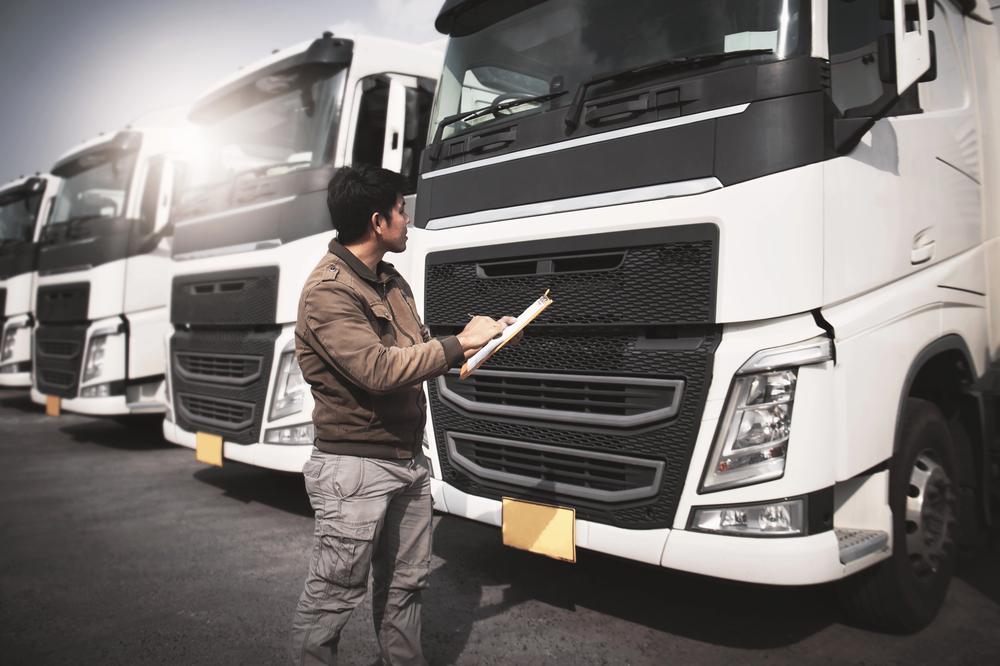
This is where Contingent Auto Liability For Truck Brokers becomes essential. This specialized insurance protects brokers if a carrier’s auto liability policy fails to respond after an accident. In this guide, we’ll explain how contingent auto liability works, why brokers need it, and how it protects your logistics business.
Read too: Franklin Truck Parts Near Me: Your Complete Guide to Local Truck Parts & Repair Solutions
What Is Contingent Auto Liability For Truck Brokers?
Contingent Auto Liability For Truck Brokers is a type of insurance that provides liability coverage for truck brokers when a motor carrier’s primary auto insurance does not respond to a claim.
In simple terms, it acts as a backup layer of protection if the trucking company’s policy denies coverage or becomes insufficient.
This coverage can help pay for:
- Bodily injury claims
- Property damage claims
- Legal defense costs
- Settlements or judgments
Truck brokers do not operate trucks themselves, but they arrange transportation through carriers. Because of this, they can still be named in lawsuits if an accident occurs.
Insurance is designed to manage financial risk in situations like these. If you’re interested in how liability insurance works in general, you can explore the topic here:
https://en.wikipedia.org/wiki/Liability_insurance
Why Truck Brokers Need Contingent Auto Liability
Many brokers assume they are protected because the motor carrier has insurance. Unfortunately, this is not always the case.
There are several situations where the carrier’s policy may fail.
Common Risk Scenarios
- The carrier’s insurance policy has lapsed or expired
- The claim is denied due to policy exclusions
- The carrier has insufficient coverage limits
- The carrier misrepresented its insurance status
If the carrier’s policy fails, plaintiffs may pursue the broker instead.
This makes contingent auto liability a crucial protection for freight brokers.
How Contingent Auto Liability Insurance Works
Contingent auto liability insurance activates only when the motor carrier’s primary policy fails.
Typical Coverage Process
- A truck accident occurs during a shipment arranged by the broker.
- The injured party files a claim against the carrier and the broker.
- The carrier’s insurance is reviewed.
- If the carrier’s insurance denies or cannot cover the claim, the broker’s contingent auto liability policy may respond.
This secondary protection can prevent major financial losses for brokers.
What Does Contingent Auto Liability Cover?
Although coverage varies by insurer, most policies include protection for several types of claims.
Covered Claims
✔ Bodily injury liability
✔ Property damage liability
✔ Legal defense expenses
✔ Court costs and settlements
Example Scenario
A broker hires a trucking company to deliver freight.
During the trip, the truck causes a highway accident.
Later it’s discovered that the carrier’s insurance policy had expired before the shipment began.
Because the broker arranged the load, they are named in the lawsuit.
In this situation, contingent auto liability insurance may provide coverage for the broker.
What Contingent Auto Liability Does NOT Cover
While this insurance provides important protection, it also has limitations.
Common Exclusions
- Cargo damage claims
- Intentional misconduct
- Claims involving the broker’s own vehicles
- Non-transport-related accidents
Brokers usually need additional policies to cover these risks.
Types of Insurance Truck Brokers Typically Need
Contingent auto liability is just one part of a broker’s risk management strategy.
Here are other common policies used in the trucking industry.
1. Contingent Cargo Insurance
This policy covers cargo damage when a carrier’s cargo insurance fails.
Coverage Examples
- Freight theft
- Damaged shipments
- Lost cargo
2. General Liability Insurance
General liability covers business-related incidents such as:
- Office accidents
- Advertising liability
- Property damage unrelated to trucking operations
3. Errors and Omissions (E&O) Insurance
Errors and omissions insurance protects brokers against claims of negligence.
Examples include:
- Booking mistakes
- Incorrect shipment documentation
- Miscommunication with carriers
Contingent Auto Liability vs Primary Auto Liability
Understanding the difference between these policies is important.
| Coverage Type | Who It Protects | When It Applies |
|---|---|---|
| Primary Auto Liability | Motor carrier | First line of coverage |
| Contingent Auto Liability | Broker | Backup coverage if carrier fails |
Because brokers do not operate trucks, they typically rely on contingent coverage instead of primary auto liability.
Real Example: Why Brokers Carry This Coverage
Consider a freight broker arranging shipments for multiple carriers.
One of the carriers provides proof of insurance but later cancels the policy without notifying the broker.
A serious accident occurs involving the truck.
Since the carrier has no active insurance, attorneys may pursue the broker.
Without contingent auto liability insurance, the broker may face hundreds of thousands of dollars in legal exposure.
With coverage, the broker has financial protection.
Average Coverage Limits for Truck Brokers
Most contingent auto liability policies offer limits between:
| Coverage Limit | Typical Use |
|---|---|
| $1 million | Small brokerages |
| $2 million | Medium-sized operations |
| $5 million | Large freight brokers |
Higher coverage limits provide better protection but increase premiums.
Factors That Affect Insurance Cost
Insurance premiums depend on several variables.
Key Factors
- Number of loads arranged annually
- Broker revenue
- Claims history
- Carrier vetting procedures
- Coverage limits selected
Brokers that maintain strong carrier compliance programs often qualify for lower premiums.
How Truck Brokers Can Reduce Liability Risk
Insurance is important, but prevention is even better.
Here are practical steps brokers can take to reduce risk.
Verify Carrier Insurance
Before assigning loads, always confirm the carrier’s policy is active.
Recommended verification steps:
- Request a certificate of insurance
- Confirm coverage limits
- Verify policy expiration dates
Use Carrier Qualification Procedures
Develop a carrier onboarding checklist.
Typical requirements include:
- Valid DOT number
- Active operating authority
- Clean safety record
Maintain Written Contracts
Broker–carrier agreements should clearly outline liability responsibilities.
This reduces disputes in the event of an accident.
Benefits of Contingent Auto Liability Insurance
This insurance offers several advantages for freight brokers.
Key Benefits
✔ Financial protection from lawsuits
✔ Coverage when carriers fail to maintain insurance
✔ Legal defense cost coverage
✔ Enhanced credibility with shippers
Many shippers prefer working with brokers that carry strong insurance protection.
FAQ: Contingent Auto Liability For Truck Brokers
Is contingent auto liability required for truck brokers?
No federal law requires it, but many brokers purchase it to protect against lawsuits related to carrier accidents.
What is the difference between contingent liability and primary liability?
Primary liability applies to the trucking company first. Contingent liability only applies if the primary policy fails or denies coverage.
Do freight brokers operate trucks?
No. Brokers coordinate shipments between shippers and carriers but typically do not own trucks.
How much contingent auto liability coverage should a broker have?
Many brokers choose $1 million or more in coverage depending on the size of their operations.
Does contingent auto liability cover cargo damage?
No. Cargo claims are usually covered under contingent cargo insurance.
Why are brokers sued after truck accidents?
Attorneys sometimes include brokers in lawsuits by arguing that they were responsible for selecting the carrier.
Conclusion
Understanding Contingent Auto Liability For Truck Brokers is essential for protecting a freight brokerage from potential legal exposure. While brokers do not operate trucks themselves, they can still face lawsuits when accidents occur involving the carriers they hire.
Contingent auto liability insurance acts as a financial safety net, stepping in when a carrier’s primary auto policy fails to respond. Combined with strong carrier verification procedures and proper insurance coverage, this protection helps brokers operate with greater confidence.
If you found this guide helpful, consider sharing it on social media so other freight brokers can learn how contingent auto liability insurance protects their business.
Leave a Reply