
Starting a food business on wheels can be exciting but also challenging. Many aspiring entrepreneurs wonder how to convert van to food truck without overspending or compromising safety. A well-planned conversion ensures your van becomes a functional, efficient, and compliant mobile kitchen, ready to serve customers on the go.
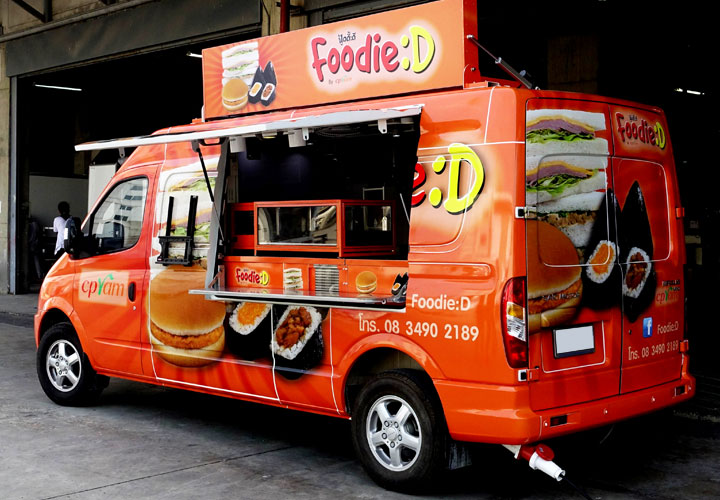
Why Convert a Van to a Food Truck?
Converting a van to a food truck allows you to:
- Reduce Startup Costs: Buying a new food truck can cost $75,000–$150,000, while a van conversion can start around $20,000–$40,000.
- Customize Your Kitchen: Tailor equipment, storage, and layout to your menu and workflow.
- Reach More Customers: Mobility enables you to attend events, festivals, and high-traffic areas.
Read too: Franklin Truck Parts Near Me: Your Complete Guide to Local Truck Parts & Repair Solutions
“A custom van conversion lets you design your kitchen around your specific culinary needs, giving small businesses a competitive edge,” says Sarah Kim, owner of a successful mobile café in Los Angeles.
Step 1: Choosing the Right Van
The first step in converting a van to a food truck is selecting the appropriate vehicle. Consider:
| Feature | Recommendation | Notes |
|---|---|---|
| Size | High roof, long wheelbase | Provides space for equipment and storage |
| Fuel Type | Diesel or gas | Diesel may offer better fuel economy for long hours |
| Condition | Low mileage, well-maintained | Reduces risk of costly repairs during conversion |
| Payload Capacity | Minimum 3,500 lbs | Supports kitchen equipment and water tanks |
Popular options include the Ford Transit, Mercedes Sprinter, and Ram ProMaster for their cargo space and reliability.
Step 2: Planning Your Mobile Kitchen Layout
Proper layout planning is crucial to maximize efficiency and comply with health codes. Key areas include:
- Cooking Zone – Install griddles, fryers, or ovens near vents.
- Refrigeration & Storage – Fridges, freezers, and dry storage should be easily accessible.
- Preparation Area – Counter space for chopping, mixing, and assembling dishes.
- Serving Window – Ideally on the passenger side, with awning for customer interaction.
- Waste Management – Include gray water tank, trash bins, and a hand-washing sink.
Experts recommend sketching a floor plan before purchasing equipment to ensure smooth workflow.
Step 3: Installing Electrical and Plumbing Systems
A mobile kitchen requires safe and reliable power and water:
- Electrical System:
- Install a generator or battery system with inverter.
- Ensure circuits support all appliances (15–30 amps per device).
- Include outlets for small equipment.
- Plumbing System:
- Freshwater tank: 20–30 gallons.
- Gray water tank: same size or larger.
- Install handwashing sink with hot water heater.
- Use food-grade hoses and fittings for safety.
Proper permits may require inspection of plumbing and electrical systems by local authorities.
Step 4: Ventilation and Safety Compliance
Health and safety regulations require proper ventilation and fire suppression systems:
- Vent Hoods & Fans: Remove smoke, steam, and odors.
- Fire Suppression System: UL-certified automatic systems for fryers and grills.
- Fire Extinguishers: Class K for cooking fires, plus general ABC extinguisher.
- Non-Slip Flooring: Stainless steel or vinyl flooring for hygiene and safety.
Local health departments often provide checklists for mobile kitchens; following them reduces delays in obtaining permits.
Step 5: Equipping Your Van
When selecting kitchen appliances and storage, consider efficiency and weight:
| Equipment | Suggested Specs | Notes |
|---|---|---|
| Refrigerator | 2–4 cu. ft. compact | Energy-efficient models save power |
| Freezer | 1–2 cu. ft. | Maintain frozen ingredients safely |
| Cooking Equipment | Small fryers, griddle, induction cooktop | Match menu requirements |
| Prep Counters | Stainless steel | Durable and easy to clean |
| Storage Racks | Adjustable shelving | Maximize vertical space |
Compact, multi-functional appliances reduce space usage and allow for better workflow.
Step 6: Exterior and Branding
The van’s exterior is your mobile advertisement:
- Wraps & Graphics: Vinyl wraps with logo and menu attract customers.
- Serving Window: Install sliding window or hatch with awning.
- Lighting: LED lights for evening operations.
- Signage: Menu board outside for clear visibility.
Investing in eye-catching branding increases foot traffic and customer recognition.
Step 7: Permits and Legal Requirements
Before serving food, ensure compliance with:
- Health Department Permit: Food safety and sanitation inspection.
- Mobile Vendor License: Required by most cities for operating on streets.
- Vehicle Registration & Insurance: Commercial insurance covering equipment and liability.
- Fire and Safety Inspections: Fire suppression, ventilation, and electrical systems compliance.
Failure to obtain permits can result in fines or forced closure. Always check local regulations.
Cost Breakdown for Converting a Van to Food Truck
| Item | Estimated Cost |
|---|---|
| Van Purchase | $10,000–$30,000 |
| Electrical & Plumbing | $3,000–$7,000 |
| Cooking Equipment | $5,000–$10,000 |
| Ventilation & Safety | $2,000–$5,000 |
| Exterior Wrap & Branding | $1,500–$4,000 |
| Miscellaneous | $1,000–$3,000 |
Total Estimated Cost: $22,500–$59,000, depending on van choice, equipment quality, and labor.
Step-by-Step Conversion Tutorial
- Select Van: Choose high-roof, long-wheelbase vehicle.
- Plan Layout: Draw detailed floor plan including cooking, prep, storage, and serving areas.
- Install Electrical: Run wiring, connect generator, install outlets and inverter.
- Install Plumbing: Connect freshwater and gray water tanks, hand sink, and hoses.
- Install Kitchen Equipment: Mount stoves, ovens, refrigeration, and prep counters.
- Install Ventilation & Fire Safety: Vent hoods, fire suppression, and extinguishers.
- Apply Exterior Branding: Wrap van, install serving window, and add signage.
- Test Systems: Run all appliances, test water and electrical systems, check for leaks.
- Obtain Permits: Health inspection, mobile vendor license, and commercial insurance.
FAQ Section
Q1: How long does it take to convert a van to a food truck?
A1: Depending on experience and resources, 4–12 weeks is typical for a full DIY conversion.
Q2: Can I convert any van?
A2: Most full-size vans like Sprinter, Transit, or ProMaster are ideal due to high roof and cargo space.
Q3: Do I need a commercial driver’s license (CDL)?
A3: Usually not, unless the vehicle exceeds 26,000 lbs gross weight. Most food trucks do not require CDL.
Q4: How much does a DIY conversion cost compared to buying a used food truck?
A4: DIY van conversion typically costs $22,000–$60,000 versus $75,000–$150,000 for a ready-to-use food truck.
Q5: Are there financing options for van conversions?
A5: Yes, some lenders offer small business loans or equipment financing for mobile food operations.
Q6: How do I maintain my food truck?
A6: Regularly clean appliances, check plumbing and electrical systems, inspect ventilation, and maintain the vehicle engine.
Conclusion
Converting a van to a food truck is a practical, cost-effective way to launch a mobile culinary business. With proper planning, layout design, equipment selection, and compliance with safety and health regulations, you can create a professional, efficient, and profitable mobile kitchen.
If you found this guide helpful, share it on social media to inspire others to start their own food truck business and maximize their entrepreneurial potential.
Leave a Reply