
When your semi-truck or commercial vehicle breaks down, every hour off the road means lost revenue. That’s why businesses search for reliable providers like Don’S Heavy Duty Truck Repair—a name often associated with professional diesel diagnostics, engine repair, and fleet maintenance.
In this complete guide, we’ll explain what services heavy-duty repair shops typically offer, what to expect in terms of cost, how to evaluate a repair facility, and how to keep your truck running longer with preventive maintenance.
If you operate a commercial truck, this guide will help you make informed decisions and avoid costly downtime.
Read too: Top Trucking Companies That Still Have Manual Transmissions
What Services Does Don’S Heavy Duty Truck Repair Typically Offer?

4
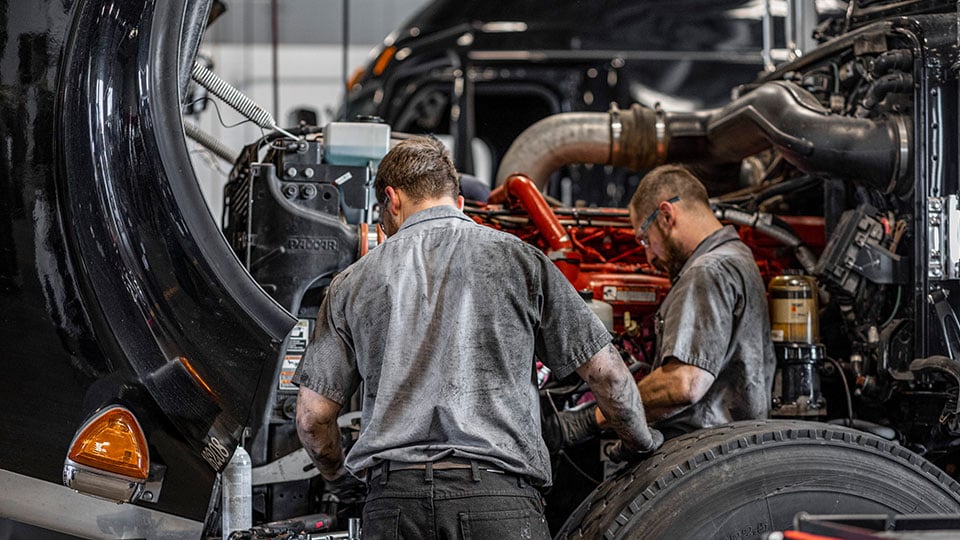
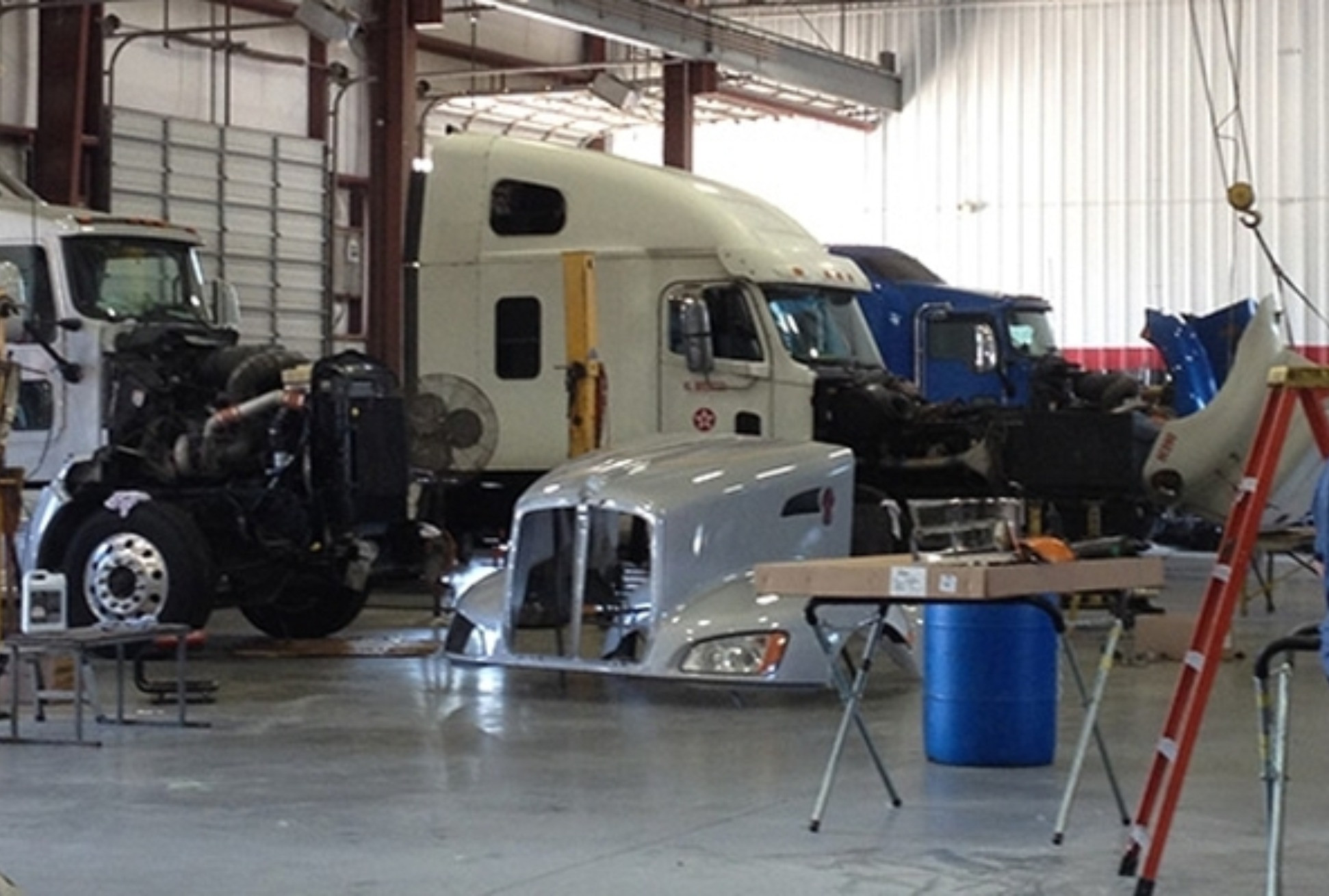
Most heavy-duty repair shops—including businesses like Don’S Heavy Duty Truck Repair—focus on commercial vehicles such as:
- Semi-trucks
- Dump trucks
- Box trucks
- Fleet vehicles
- Construction equipment
Core Services Usually Include:
✔ Diesel engine diagnostics
✔ Transmission repair
✔ Brake system service
✔ Suspension and steering repair
✔ Electrical troubleshooting
✔ Preventive maintenance programs
Heavy-duty truck systems are far more complex than passenger vehicles. Diesel engines operate under higher compression and load conditions.
For background on heavy-duty truck classifications, see:
https://en.wikipedia.org/wiki/Truck_classification
Commercial trucks are typically classified as Class 7 or Class 8 vehicles in the U.S.
Why Professional Heavy-Duty Repair Matters
Heavy-duty trucks can weigh over 33,000 pounds (Class 8). A small mechanical issue can quickly escalate into a major failure.
Common high-risk problems:
- Overheating diesel engines
- Brake system failure
- Transmission overheating
- Turbocharger damage
- DEF system malfunctions
Professional repair shops use advanced diagnostic tools to identify issues before they cause catastrophic damage.
What Are the Most Common Heavy-Duty Truck Repairs?
Here are the most frequent repairs commercial shops handle:
1. Diesel Engine Repairs
Diesel engines run at high compression ratios and require specialized tools.
Typical repairs:
- Injector replacement
- Turbocharger rebuild
- Head gasket repair
- EGR valve cleaning
Cost range:
- Minor repairs: $500–$2,000
- Major overhaul: $8,000–$20,000+
2. Transmission Service
Heavy trucks use manual, automated manual, or automatic transmissions.
Symptoms of issues:
- Slipping gears
- Delayed shifting
- Grinding noises
Transmission rebuild cost:
- $3,000–$10,000+
3. Brake System Repair
Air brake systems are standard in commercial trucks.
Routine service includes:
- Air compressor inspection
- Brake chamber replacement
- Rotor and pad changes
Brake maintenance is critical for safety compliance.
4. Suspension and Steering
Suspension components support heavy loads daily.
Common repairs:
- Leaf spring replacement
- Shock absorber repair
- Kingpin replacement
- Alignment service
Preventive Maintenance: The Key to Lower Repair Costs
Waiting for a breakdown is expensive.
Preventive maintenance helps avoid:
- Unexpected downtime
- Expensive emergency repairs
- DOT violations
Recommended Maintenance Schedule
| Service | Interval |
|---|---|
| Oil change | 15,000–25,000 miles |
| Brake inspection | Every 10,000–15,000 miles |
| Transmission fluid check | Every 30,000 miles |
| Full inspection | Quarterly |
Fleet operators often save thousands annually by following structured maintenance plans.
How to Choose a Heavy-Duty Truck Repair Shop
If you’re considering a provider like Don’S Heavy Duty Truck Repair, evaluate the following:
1. Certifications
Look for:
- ASE-certified technicians
- Diesel-specific training
- OEM authorization
2. Diagnostic Equipment
Modern trucks require computerized diagnostics.
Shops should use:
- Engine scan tools
- DEF system testers
- Emission system analyzers
3. Experience with Your Truck Brand
Different brands require specialized knowledge:
- Freightliner
- Peterbilt
- Kenworth
- International
Ask about brand familiarity.
Cost Breakdown: What to Expect
Heavy-duty repairs cost more than standard auto repairs.
Here’s a general overview:
| Repair Type | Estimated Cost |
|---|---|
| Basic service | $300–$800 |
| Brake overhaul | $1,000–$3,000 |
| Turbo replacement | $2,000–$5,000 |
| Engine rebuild | $10,000–$20,000 |
Prices vary by region and parts availability.
Signs Your Truck Needs Immediate Service
Watch for these warning signs:
- Excessive black or white exhaust smoke
- Loss of power under load
- Abnormal engine noises
- Dashboard warning lights
- Overheating
Ignoring early symptoms leads to expensive failures.
Advantages vs Disadvantages of Heavy-Duty Repair Shops
Advantages
✔ Specialized diesel expertise
✔ Advanced diagnostic equipment
✔ Faster turnaround
✔ Fleet maintenance programs
Disadvantages
✖ Higher labor rates
✖ Parts availability delays
✖ Large repair bills for major failures
Step-by-Step: What to Do When Your Truck Breaks Down
Step 1: Pull Over Safely
Avoid running the engine if overheating.
Step 2: Document Warning Signs
Note:
- Unusual sounds
- Warning lights
- Temperature readings
Step 3: Contact a Qualified Repair Shop
Provide:
- Truck make and model
- Engine type
- Symptoms observed
Step 4: Request Written Estimate
Ensure labor hours and parts costs are listed clearly.
How Downtime Impacts Trucking Businesses
A single day of downtime can cost:
- $500–$1,000+ in lost revenue
- Missed delivery penalties
- Contract penalties
Fleet operators prioritize preventive maintenance to avoid financial impact.
FAQ: Don’S Heavy Duty Truck Repair
1. What types of trucks can heavy-duty repair shops service?
Most handle Class 7 and Class 8 trucks, including semis, dump trucks, and fleet vehicles.
2. How long does a diesel engine rebuild take?
Typically 1–3 weeks depending on parts availability.
3. Are heavy-duty repairs more expensive than car repairs?
Yes. Commercial trucks have larger engines, heavier components, and higher labor costs.
4. Should I use OEM or aftermarket parts?
OEM parts offer guaranteed fit, but high-quality aftermarket parts can reduce costs.
5. How often should I service a heavy-duty truck?
Oil changes every 15,000–25,000 miles and full inspections quarterly are common recommendations.
6. Is preventive maintenance worth it?
Absolutely. Preventive maintenance significantly reduces long-term repair costs and downtime.
Final Thoughts
Choosing a reliable provider like Don’S Heavy Duty Truck Repair can make a major difference in your vehicle’s lifespan and your business’s profitability. Heavy-duty trucks require specialized knowledge, advanced diagnostics, and consistent maintenance to stay road-ready.
By following preventive service schedules, addressing small issues early, and partnering with experienced technicians, you can reduce downtime and protect your investment.
If this guide helped you better understand heavy-duty truck repair services, share it on social media to help other truck owners make informed decisions.
Leave a Reply