
If you’re searching for reliable Dump Truck Load Ticket Books, you’re likely dealing with an issue most contractors face—missing load records, inconsistent paperwork, or crews using different formats that create confusion. These books help track hauling operations clearly and professionally. In this guide, you’ll learn exactly what they are, how they work, industry pricing, and which features matter most.
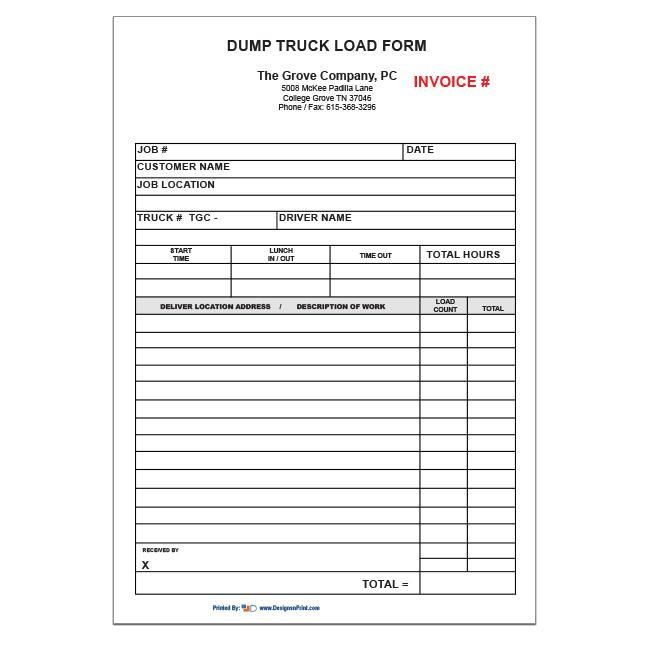
What Are Dump Truck Load Ticket Books?
Dump Truck Load Ticket Books are carbon-copy or digital-compatible paper booklets used by drivers, contractors, and construction crews to document each load hauled by a dump truck. They serve as an official record that includes:
- Load quantity
- Material type
- Pickup location
- Delivery location
- Truck number
- Hauler name
- Time in & time out
- Customer signature
In many states and DOT-regulated projects, load tickets are required as part of the payment process. A well-designed load ticket book ensures accuracy, reduces disputes, and speeds up invoicing.
Read too: Top Trucking Companies That Still Have Manual Transmissions
For background on dump trucks themselves, see Wikipedia for an overview of dump truck classifications and uses.
Why Dump Truck Load Ticket Books Are Essential for Contractors
Contractors and haulers rely on these books because:
1. They Provide Legal Proof of Work
Load tickets act as documentation if billing disputes arise.
2. They Improve Jobsite Accountability
Supervisors can track:
- How many loads each driver hauled
- Whether deliveries were on time
- Which materials were delivered
3. They Standardize Reporting
Hauling operations become smoother when everyone uses the same form.
4. They Speed Up Billing
Bookkeeping departments rely on tickets to:
- Process invoices
- Verify quantities
- Match loads to purchase orders
5. They Reduce Errors
Carbonless copies ensure no information is lost between driver, dispatcher, and office staff.
What Information Do Dump Truck Load Ticket Books Include?
A typical ticket contains fields for:
Driver & Truck Information
- Truck number
- Driver name
- Contact info
Jobsite Information
- Project name
- Job number
- Load origin
- Load destination
Material Details
- Type (dirt, gravel, asphalt, sand)
- Weight or volume
- Number of loads
Time Tracking
- Time in
- Time out
- Total haul time
Signatures
- Driver
- Loader operator
- Customer or inspector
The more complete the ticket, the fewer disputes later.
Types of Dump Truck Load Ticket Books
Different industries use different formats depending on how loads are measured and billed.
1. Carbonless Multi-Part Books (2-Part or 3-Part)
These are the most common.
Part 1: Driver copy
Part 2: Customer or inspector
Part 3: Office accounting copy
Pros:
- Instant duplicates
- Easy for field operations
- Widely accepted
Cons:
- Requires neat handwriting
2. Pre-Numbered Ticket Books
Used for accountability and preventing fraud.
Benefits:
- Each ticket has a unique ID
- Helps track missing forms
3. Custom Printed Ticket Books
Valuable for large fleets or branded companies.
Options include:
- Logos
- Custom fields
- Material checkboxes
- Pre-filled job details
4. Digital-Ready Ticket Books (Hybrid Systems)
These combine paper tickets with barcodes or QR codes that sync with software.
Pros:
- Faster data entry
- Improved accuracy
Cons:
- Higher cost
- Requires compatible software
Who Uses Dump Truck Load Ticket Books?
These books are common across multiple industries:
- Construction companies
- Asphalt contractors
- Excavation & grading crews
- Dirt work contractors
- Hauling companies
- Mining operations
- Municipal projects
Anywhere that trucks move material—load tickets are essential.
Dump Truck Load Ticket Books Pricing
Prices vary depending on quantity, customization, and book style.
Typical costs:
| Type | Price (per book) |
|---|---|
| Basic 2-part ticket book | $6–$12 |
| 3-part carbonless | $9–$18 |
| Custom-printed books | $12–$25 |
| Bulk orders (50–100 books) | $5–$9 |
Most books contain 50 tickets per book.
Key Features to Look For in Dump Truck Load Ticket Books
When comparing books, consider these features:
1. Carbonless Copies
Ensures all parties receive identical information.
2. Heavy-Duty Cover
Protects tickets from moisture and tearing.
3. Wire Binding or Staple Binding
Allows easy flipping and writing on-site.
4. Numbered Tickets
Critical for tracking and audits.
5. Thick Paper Stock
Prevents bleed-through.
6. Checklist for Material Types
Saves drivers time.
7. Extra Lines for Notes
Useful for special instructions (e.g., “Dump on the right side of site”).
Dump Truck Load Ticket Books vs. Digital Load Tracking Systems
| Feature | Ticket Books | Digital System |
|---|---|---|
| Cost | Low | High |
| Learning Curve | Easy | Medium |
| Proof of Work | Physical copy | Digital + cloud |
| Speed | Manual | Automatic |
| Best For | Small–medium fleets | Large fleets |
Many companies use a combination of both, especially on government contracts.
How to Fill Out a Dump Truck Load Ticket (Step-by-Step Guide)
Below is a simple step-by-step process.
Step 1: Enter Driver & Truck Details
Example:
- Truck #14
- Driver: J. Davis
Step 2: Record Job Information
- Project: Hwy 62 Expansion
- Job #: 1824-A
Step 3: Specify Material
Check the appropriate box:
- Dirt
- Gravel
- Asphalt
- Sand
Or write in a custom material.
Step 4: Record Load Details
Example:
- Volume: 12 cubic yards
- Weight: 18,500 lbs
- Load #: 7
Step 5: Log Times
- Time in: 7:42 AM
- Time out: 8:12 AM
Step 6: Add Signatures
Customer or site inspector signs to confirm load delivery.
Pros and Cons of Dump Truck Load Ticket Books
Pros
- Low cost
- No software needed
- Easy to use in any weather
- Legally accepted
- Instant multiple copies
Cons
- Can be lost or damaged
- Handwriting mistakes happen
- Slower than digital systems
Tips for Using Dump Truck Load Ticket Books Efficiently
1. Use Clipboards or Hard Writing Surfaces
Prevents damaged sheets.
2. Keep Tickets Dry
Store books in waterproof pouches.
3. Use Pre-Printed Driver & Truck Info
Reduces writing time.
4. Take a Photo of Each Ticket
Provides backup documentation.
5. Turn Tickets in Daily
This speeds up payroll and invoicing.
Troubleshooting Common Issues (Infographic Style)
Problem → Solution
- Carbon copies not transferring → Use firm pressure or a writing board
- Tickets getting wet → Use weatherproof holders
- Missing tickets → Switch to pre-numbered books
- Illegible writing → Use printed checkboxes & grids
- Customer signature missing → Require mandatory sign-off
Best Brands for Dump Truck Load Ticket Books
Popular US suppliers include:
- Adams
- NCR Carbonless
- CustomPrintsUSA
- Contractor Forms Depot
- Uline
- Hauler Supply Co.
Each brand offers 2-part, 3-part, and custom options.
Where to Buy Dump Truck Load Ticket Books
You can purchase them from:
- Office supply stores
- Construction supply shops
- Hauling equipment suppliers
- Online marketplaces
- Printing companies
- Custom form manufacturers
Buying in bulk often reduces cost significantly.
FAQ – Dump Truck Load Ticket Books
1. What are dump truck load ticket books used for?
They track material loads, delivery times, jobsite info, and signatures.
2. How many copies should a ticket book have?
2-part is common, but 3-part is preferred for contractors and accounting.
3. Can I get custom-printed load tickets?
Yes—many suppliers allow logos, fields, and custom layouts.
4. Are digital tickets better than paper books?
Digital is faster, but paper tickets remain standard across construction sites.
5. How many tickets are in one book?
Most contain 50 tickets, but some offer 25 or 100.
6. Do DOT projects require load tickets?
Many government and municipal contracts require load ticket logs for payment.
Conclusion
Dump Truck Load Ticket Books are essential for contractors who need accurate, organized, and legally accepted hauling documentation. Whether you’re managing a small fleet or overseeing large municipal projects, the right ticket book helps prevent disputes, improves accountability, and speeds up billing. If this guide helped you, feel free to share it with other contractors, truck drivers, or project managers looking to streamline their load tracking process.
Leave a Reply