
Loose debris, uncovered loads, and slow manual tarping cost dump truck operators time—and sometimes fines. Electric Tarps For Dump Trucks solve these issues with push-button coverage that secures materials in seconds. If you haul gravel, sand, asphalt, or demolition waste, an electric tarp system can improve safety, compliance, and daily efficiency.
This guide explains how electric tarps work, which types to choose, how to install them correctly, and how to maintain them for years of reliable service.
What Are Electric Tarps For Dump Trucks?

4
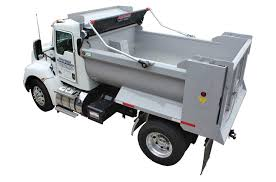
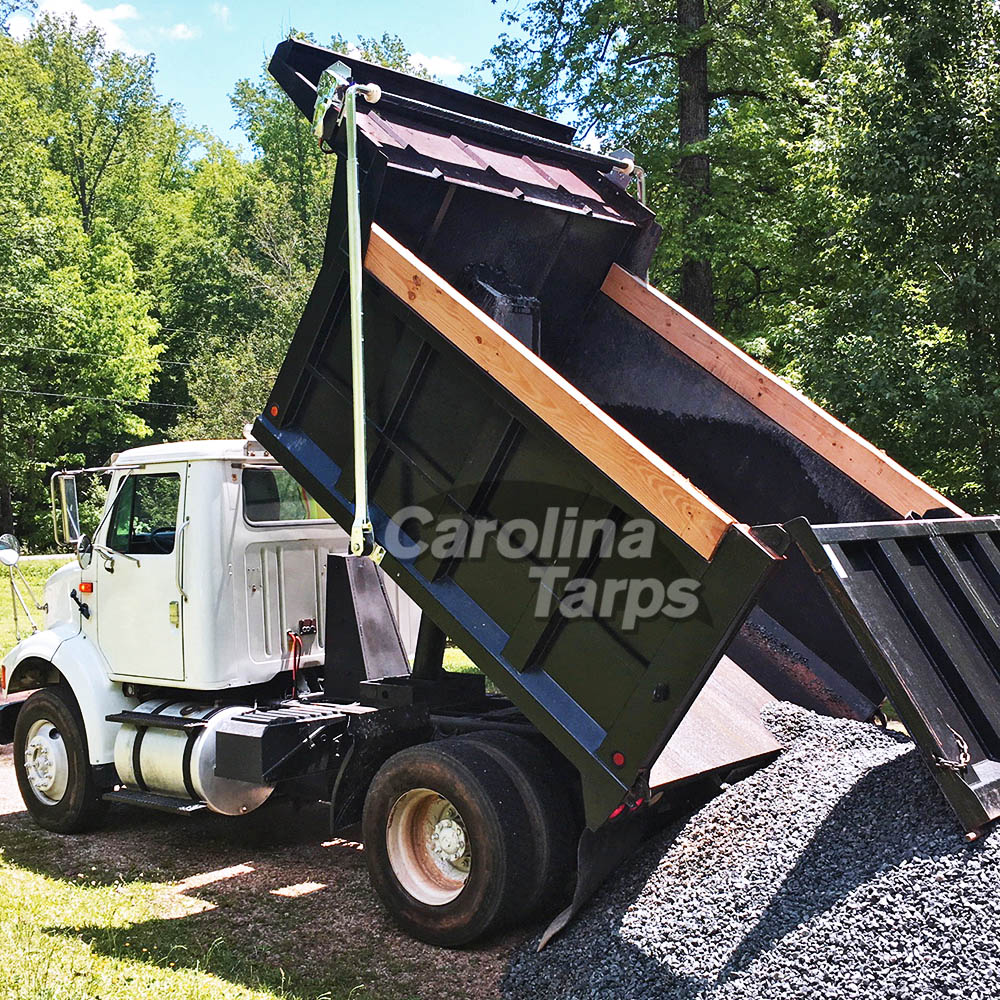
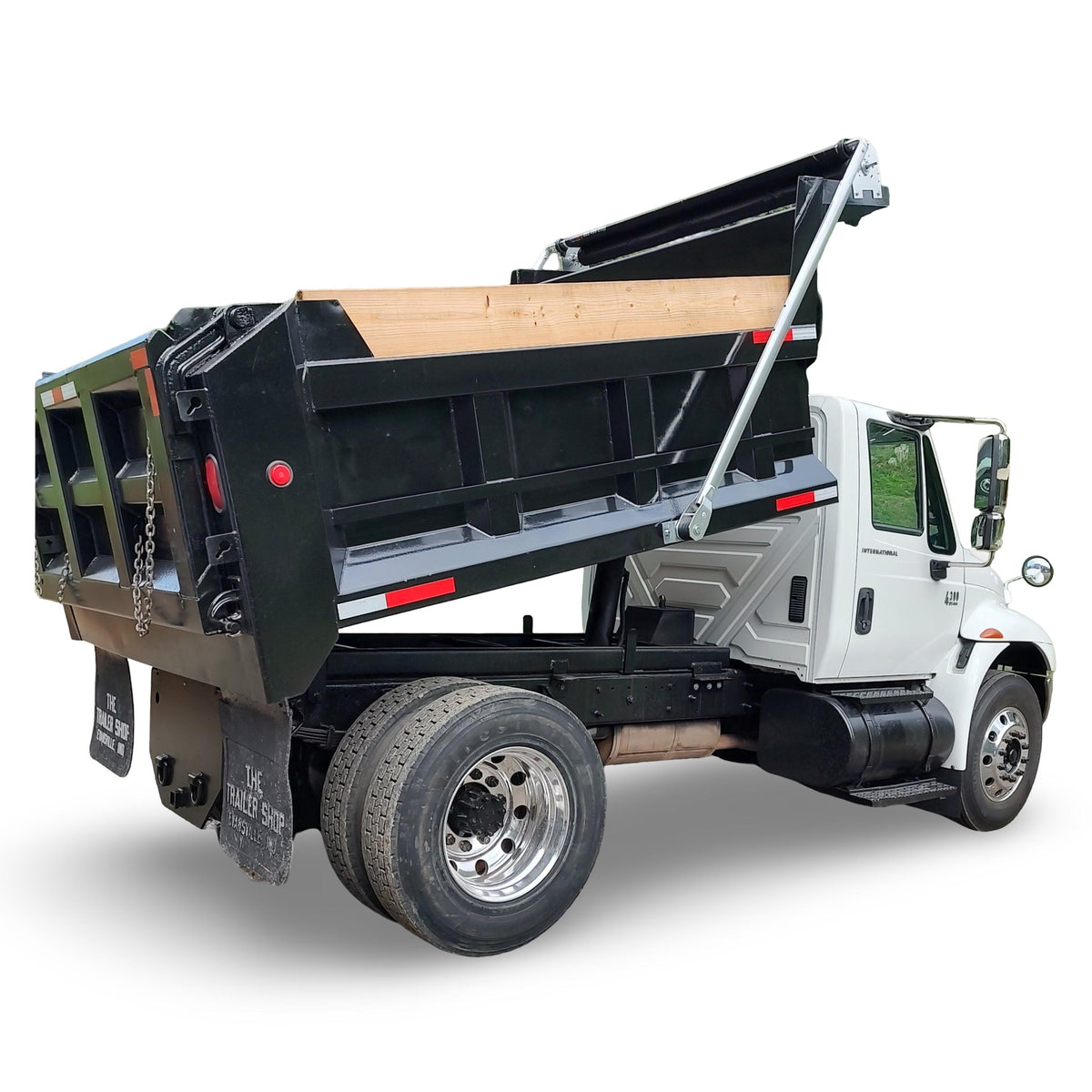
Electric Tarps For Dump Trucks are motorized covering systems mounted along the bed rails. With a dashboard switch, a 12V electric motor extends or retracts a tarp across the load using pivot arms or a rolling axle.
Core components:
- Weatherproof 12V motor and gearbox
- Aluminum or steel tarp arms/axle
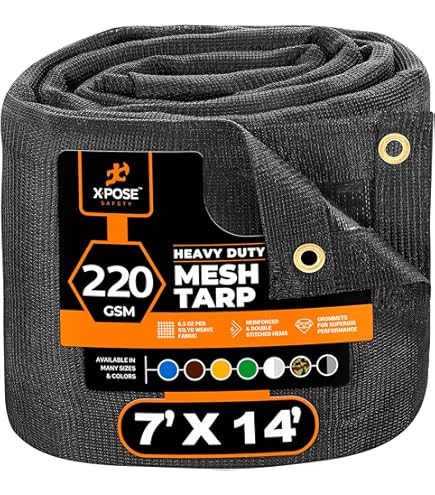
- Heavy-duty mesh or vinyl tarp
- Wiring harness, switch, and fuse
- Mounting brackets and hardware
These systems are designed to meet road-safety expectations for covered loads and reduce the need for drivers to climb onto the truck.
For general background on tarpaulins and materials, see the overview on Wikipedia: https://en.wikipedia.org/wiki/Tarpaulin
Why Do Dump Trucks Need Electric Tarps?
The Real Problems Operators Face
- Flying debris leading to traffic hazards
- Tickets for uncovered loads (varies by state, often $100–$500+)
- Time lost climbing up to pull manual tarps
- Increased injury risk from slips and falls
- Material loss during highway travel
Documented Safety & Efficiency Gains
- Fleets report 20–40 seconds saved per load with push-button coverage
- Fewer worker comp claims tied to climbing injuries
- Reduced material loss, especially with gravel and sand
- Improved compliance with state load-cover laws
Bottom line: electric tarps pay for themselves in time saved, fines avoided, and safer operations.
Read too: Top Trucking Companies That Still Have Manual Transmissions
How Do Electric Dump Truck Tarp Systems Work?
Step-by-Step Operation
- Driver flips the in-cab switch.
- The 12V motor rotates the axle or arms.
- The tarp glides over the load evenly.
- Arms lock into place, keeping tension across the tarp.
- Reverse the switch to retract.
A typical extension takes 8–15 seconds depending on bed length (12–24 ft).
Mesh vs Vinyl Tarps: Which Should You Choose?


4
| Feature | Mesh Tarp | Vinyl Tarp |
|---|---|---|
| Best For | Gravel, sand, debris | Asphalt, wet soil |
| Airflow | Excellent | Minimal |
| Weight | Lightweight | Heavier |
| Waterproof | No | Yes |
| Lifespan | 3–5 years | 4–6 years |
| Cost | Lower | Higher |
Tip: Most aggregate haulers prefer mesh for airflow and reduced drag. Asphalt haulers prefer vinyl to retain heat and moisture.
Side-Mount vs Front-to-Back Systems
| System | How It Moves | Ideal Use |
|---|---|---|
| Side-Mount Arms | Arms swing tarp across | Most dump trucks |
| Front-to-Back Roller | Tarp rolls from cab to tail | Longer beds, trailers |
Side-mount is the most common due to simple mechanics and easier retrofitting.
How Much Do Electric Tarps For Dump Trucks Cost?
Average U.S. Pricing
- Complete electric tarp kit: $600–$1,500
- Replacement tarp only: $120–$350
- Professional installation: $300–$800
Most operators recover costs within 3–6 months through time savings and reduced violations.
How to Install Electric Tarps For Dump Trucks (Step-by-Step)
Tools Needed
- Drill and metal bits
- Wrenches and sockets
- Wire crimper and heat shrink
- Measuring tape
- Silicone sealant
Installation Steps
- Measure Bed Length (e.g., 16 ft, 18 ft, 20 ft).
- Mount Brackets along bed rails using stainless bolts every 12–18 inches.
- Install Motor near front driver side for wiring convenience.
- Attach Arms/Axle and ensure smooth rotation.
- Wire to Battery with inline fuse (typically 20–30A).
- Install Cab Switch within easy reach.
- Test Extension before final tightening.
- Seal Bolt Holes with silicone to prevent rust.
Time required: 2–3 hours for experienced installers.
Maintenance Tips for Long Lifespan
- Wash tarp monthly with mild soap and water
- Lubricate pivot points every 60 days
- Inspect wiring quarterly
- Tighten bolts every 3 months
- Replace worn tarp before small tears expand
Well-maintained systems often last 8–10 years; tarps may need replacement sooner.
Advantages vs Disadvantages
Advantages
- Faster coverage
- Improved road safety
- Reduced driver fatigue
- Professional fleet appearance
- Legal compliance
Disadvantages
- Initial cost
- Occasional motor maintenance
- Electrical troubleshooting in rare cases
Who Benefits Most From Electric Tarps?
You’ll gain the most value if you:
- Haul aggregates daily
- Operate in states with strict load laws
- Run multiple loads per day
- Manage a fleet and want standardization
- Prioritize driver safety
FAQ: Electric Tarps For Dump Trucks
Are electric tarps waterproof?
Only if you choose vinyl tarps. Mesh tarps allow airflow but are not waterproof.
How long does a tarp motor last?
Typically 5–8 years with proper maintenance.
Can I install the system myself?
Yes. Most kits are DIY-friendly with basic tools.
Do electric tarps fit all dump trucks?
Kits are adjustable for most 12–24 ft beds.
What happens if the motor fails?
Most systems allow manual override using a wrench.
Are electric tarps required by law?
Many states require covered loads; electric tarps make compliance easy.
Conclusion
Electric Tarps For Dump Trucks are more than a convenience—they’re a safety upgrade, a compliance tool, and a time saver. With push-button operation, durable materials, and straightforward installation, these systems quickly become essential for serious haulers.
If this guide helped you, share it with other truck operators and fleet managers on social media so they can haul safer and smarter every day.
Leave a Reply