
Long hauls, heavy loads, and extreme temperatures push diesel engines to their limits. Choosing the wrong Engine Oil For Semi Trucks can lead to higher wear, poor fuel economy, and costly downtime. The right oil, on the other hand, protects critical components, extends drain intervals, and keeps your rig running efficiently mile after mile.
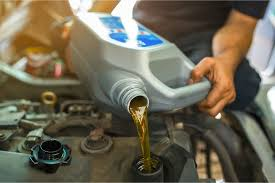
This guide explains oil grades, specifications, viscosity choices, change intervals, and practical steps to select the best oil for your semi truck.
What Is Engine Oil For Semi Trucks and Why Is It Different?

4
Engine Oil For Semi Trucks is formulated specifically for heavy-duty diesel engines that operate under:
- High torque and load
- Long idle times
- Extended highway mileage
- Soot and contamination from diesel combustion
Unlike passenger car oils, diesel oils contain stronger detergent and dispersant additives to manage soot and prevent sludge.
Read too: Top Trucking Companies That Still Have Manual Transmissions
For background on engine oil composition and functions, see Wikipedia: https://en.wikipedia.org/wiki/Motor_oil
What Oil Grade Is Best for Semi Truck Diesel Engines?
This is one of the most common questions from owner-operators.
The Most Recommended Grades
| Viscosity Grade | Best For | Temperature Range |
|---|---|---|
| 15W-40 | Standard choice, all-season | 0°F to 100°F+ |
| 10W-30 | Better fuel economy | Cold to moderate climates |
| 5W-40 (Synthetic) | Extreme cold & long drains | -20°F to 100°F+ |
15W-40 remains the industry standard for most fleets due to balance of protection and cost.
What Do API CK-4 and FA-4 Mean?
Oil containers often show API CK-4 or FA-4 ratings.
- CK-4: Backward compatible, superior wear protection, widely used
- FA-4: Lower viscosity, improved fuel economy, only for newer engines designed for it
Always check your engine manufacturer recommendation before switching.
Synthetic vs Conventional Oil: Which Is Better?
| Feature | Conventional | Synthetic |
|---|---|---|
| Cost | Lower | Higher |
| Drain Interval | 15,000–25,000 miles | 40,000–60,000 miles |
| Cold Start | Moderate | Excellent |
| Engine Cleanliness | Good | Excellent |
| Fuel Economy | Standard | Slightly better |
Insight: Many fleets use synthetic oil to reduce downtime and labor costs from frequent oil changes.
How Often Should You Change Engine Oil in a Semi Truck?
Oil change intervals vary based on:
- Load weight
- Driving conditions
- Oil type
- Engine age
Typical Intervals
- Conventional oil: 20,000–25,000 miles
- Synthetic oil: 40,000–60,000 miles
- With oil analysis: potentially extended safely
Oil analysis programs can extend intervals by 15–25% safely.
Signs You’re Using the Wrong Engine Oil
Watch for these red flags:
- Increased oil consumption
- Black sludge buildup
- Higher engine temperature
- Lower fuel economy
- Frequent DPF issues
These symptoms often indicate incorrect viscosity or low-quality additives.
Step-by-Step: How to Check and Top Up Engine Oil Properly
- Park on level ground and turn off engine.
- Wait 10–15 minutes for oil to settle.
- Pull dipstick, wipe clean, reinsert.
- Check level between min and max marks.
- Add oil slowly in 0.5-quart increments.
- Recheck level to avoid overfilling.
Tip: Overfilling is as harmful as low oil.
Cost of Engine Oil For Semi Trucks
Average U.S. Pricing
- 1 gallon 15W-40: $12–$22
- 1 gallon synthetic 5W-40: $28–$45
- Full oil change (10–12 gallons): $150–$500
Though synthetic costs more, fewer oil changes often reduce annual expenses.
Benefits vs Drawbacks of Premium Diesel Engine Oils
Benefits
- Longer engine life
- Cleaner engine internals
- Better fuel efficiency
- Fewer breakdowns
- Extended drain intervals
Drawbacks
- Higher upfront cost
- Not all engines support FA-4 oils
How Oil Affects Fuel Economy in Semi Trucks
Studies from fleet operators show switching from 15W-40 to FA-4 10W-30 can improve fuel economy by 0.5%–1.5%. Over 120,000 miles per year, that’s significant savings.
Who Should Use Synthetic Engine Oil?
Synthetic oil is ideal if you:
- Drive in very cold climates
- Run long-haul routes
- Want fewer maintenance stops
- Operate newer engines (2017+)
FAQ: Engine Oil For Semi Trucks
Can I mix different oil brands?
Yes, if viscosity and API ratings match, but sticking to one brand is better.
Is darker oil always bad?
No. Diesel oil turns dark quickly due to soot dispersion.
What happens if I skip an oil change?
Increased wear, sludge buildup, and potential engine failure.
Should I follow miles or engine hours?
Whichever comes first.
Is oil analysis worth it?
Yes. It helps extend drain intervals safely and detect engine issues early.
Conclusion
Choosing the right Engine Oil For Semi Trucks is one of the most important decisions for engine longevity, fuel savings, and reduced downtime. By understanding viscosity grades, API ratings, and maintenance practices, you can keep your diesel engine running strong for hundreds of thousands of miles.
If this guide helped you, share it with fellow drivers and fleet owners on social media so they can protect their engines and save money on the road.
Leave a Reply