
As temperatures drop and leaves begin to fall, road conditions change fast. Fall Safety Tips For Truck Drivers are essential because autumn brings wet pavement, foggy mornings, wildlife crossings, and shorter daylight hours.
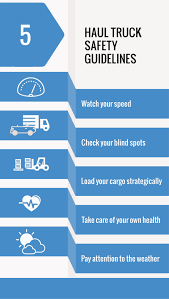
If you’re a commercial driver, you already manage heavy loads and long routes. Fall adds new risks — but with proper preparation, you can stay safe, compliant, and confident on the road.
Read too: Franklin Truck Parts Near Me: Your Complete Guide to Local Truck Parts & Repair Solutions
Fall Safety Tips For Truck Drivers: Why Autumn Is Risky
Fall is often underestimated. It’s not winter — but it can be just as dangerous.
According to traffic safety data, wet pavement contributes to nearly 70% of weather-related crashes annually in the U.S. Leaves, early frost, and rain create slick surfaces that affect braking distance for heavy trucks.
Commercial trucks require significantly longer stopping distances than passenger vehicles. A fully loaded semi can weigh up to 80,000 pounds, meaning traction and visibility matter more than ever.
Learn more about seasonal road hazards here:
https://en.wikipedia.org/wiki/Road_traffic_safety
Let’s break down the most important safety strategies.
How Do Wet Leaves Affect Truck Braking?


4
Wet leaves are more slippery than many drivers realize. When compressed under heavy tires, they create a surface similar to ice.
Key Risks:
- Increased stopping distance
- Reduced traction during turns
- Trailer sway on curves
What You Should Do:
- Increase following distance to 7–8 seconds minimum.
- Reduce speed by 5–10 mph in heavy leaf areas.
- Avoid hard braking.
- Use engine braking smoothly.
- Anticipate traffic lights early.
Heavy loads amplify slide risk. Gradual control is critical.
Why Are Fall Mornings More Dangerous?


4
Cool nights and warm days create fog and dew.
Common Fall Hazards:
- Low visibility fog
- Black ice in northern states
- Sun glare at lower angles
Step-by-Step Fog Driving Strategy:
- Use low-beam headlights (not high beams).
- Reduce speed by 10–15 mph.
- Maintain steady lane position.
- Increase following distance to 8–10 seconds.
- Avoid cruise control in heavy fog.
Fog-related crashes increase during transitional seasons, especially in rural areas.
How Should Truck Drivers Prepare Their Vehicles for Fall?


4
A strong fall safety routine starts before the engine turns on.
Fall Pre-Trip Inspection Checklist
- Check tire tread depth (minimum 4/32″ steer tires).
- Inspect windshield wipers.
- Test headlights and brake lights.
- Check battery terminals for corrosion.
- Confirm heater and defroster function.
Colder temperatures reduce battery performance by up to 30%.
Fluid Checks:
- Use winter-grade windshield washer fluid.
- Inspect brake system for moisture issues.
- Confirm coolant levels.
Preventive maintenance reduces breakdown risks significantly.
How Do Shorter Days Affect Trucking Safety?



4
Daylight hours shrink rapidly in fall.
Reduced light increases:
- Pedestrian risk
- Wildlife collisions
- Driver fatigue
Driving After Sunset Tips:
- Clean headlights regularly.
- Dim dashboard lights slightly.
- Avoid overdriving headlights.
- Scan road edges for deer movement.
Wildlife-related collisions peak during fall mating seasons, particularly deer strikes in rural states.
What Role Does Driver Fatigue Play in Fall?
Seasonal changes affect sleep cycles.
Shorter days and cooler temperatures may increase drowsiness.
Fatigue Management Strategies:
- Follow Hours of Service (HOS) regulations.
- Take breaks every 2–3 hours.
- Drink water consistently.
- Avoid heavy meals before long stretches.
Driver alertness is as important as mechanical safety.
Fall Safety Infographic: Risks vs Prevention
| Fall Hazard | Risk Level | Prevention Strategy |
|---|---|---|
| Wet leaves | High | Slow down, increase distance |
| Morning fog | Medium-High | Low beams, reduce speed |
| Wildlife | Medium | Scan shoulders, brake early |
| Short daylight | Medium | Clean lights, stay alert |
| Cold tires | Medium | Check pressure daily |
How Can Fleet Managers Improve Fall Safety?
Safety isn’t just the driver’s responsibility.
Fleet operators should:
- Conduct seasonal safety briefings.
- Provide updated inspection checklists.
- Monitor telematics for harsh braking.
- Encourage defensive driving training.
Companies that implement seasonal safety programs see measurable reductions in accident claims.
FAQ – Fall Safety Tips For Truck Drivers
Why are fall roads more dangerous than summer?
Wet leaves, fog, and shorter daylight reduce traction and visibility.
How much should I reduce speed on wet autumn roads?
Typically 5–15 mph depending on conditions and load weight.
Are wet leaves really as slippery as ice?
Under heavy pressure, yes. They significantly reduce traction.
How often should I inspect tires in fall?
Daily pre-trip inspections are recommended.
Does colder air affect tire pressure?
Yes. Tire pressure drops approximately 1 PSI for every 10°F decrease.
What’s the biggest fall risk for truck drivers?
Reduced visibility combined with longer stopping distances.
Final Thoughts
These Fall Safety Tips For Truck Drivers are more than seasonal reminders — they’re essential practices that protect your life and your livelihood.
Autumn brings hidden hazards: slick leaves, fog, wildlife, and fading daylight. Preparation makes the difference.
Increase following distance. Slow down in wet conditions. Inspect your truck daily. Stay alert during changing light.
Safe driving in fall isn’t about fear — it’s about awareness and preparation.
If this guide helped you prepare for safer fall driving, consider sharing it with fellow drivers or your fleet team. A simple reminder today can prevent a serious accident tomorrow.
Leave a Reply