
Running a food truck in Los Angeles is exciting, but it also comes with strict health and legal requirements. If you are searching for a Food Truck Commissary Los Angeles, you are likely trying to operate legally, efficiently, and without risking fines or shutdowns. This guide explains everything you need to know in clear, practical terms.
What Is a Food Truck Commissary in Los Angeles?
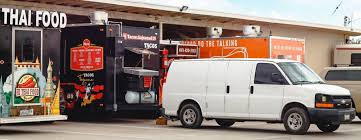
A Food Truck Commissary Los Angeles is a licensed commercial kitchen facility where food truck operators prepare food, clean equipment, store supplies, and dispose of waste. Los Angeles County requires most mobile food vendors to operate from an approved commissary.
Read too: Top Trucking Companies That Still Have Manual Transmissions
Why Commissaries Are Mandatory
- Ensure food safety and sanitation
- Provide approved water and waste disposal
- Allow health department inspections
- Prevent unsafe street food preparation
📊 Regulatory Insight:
Los Angeles County Public Health requires food trucks to return to their commissary daily or as approved for cleaning and restocking.
Why Los Angeles Requires Food Truck Commissaries
This is one of the most common “People Also Ask” questions.
Key Reasons
- High population density
- Large number of mobile food vendors
- Strict food safety enforcement
- Environmental health concerns
Los Angeles has one of the largest food truck scenes in the U.S., making oversight essential.
What Services Does a Food Truck Commissary Provide?
Not all commissaries offer the same features.
Standard Commissary Services
- Commercial-grade kitchen access
- Potable water refill
- Greywater disposal
- Food storage (dry, cold, frozen)
- Equipment washing
- Health inspection logs
Some premium commissaries also offer:
- Business support
- Shared prep staff
- Event coordination
Who Needs a Food Truck Commissary in Los Angeles?
Most mobile food vendors are required to use one.
Vendors That Typically Need a Commissary
- Food trucks
- Catering trucks
- Hot food vendors
- Beverage trucks
- Mobile food trailers
🚫 Exception:
Certain prepackaged or low-risk food vendors may qualify for limited exemptions.
How to Choose the Right Food Truck Commissary in Los Angeles
Choosing the wrong commissary can cost time and money.
Key Selection Criteria
- Location proximity to your routes
- LA County Health Department approval
- Availability hours
- Storage capacity
- Pricing structure
💡 Expert Tip:
A commissary within 10–15 miles of your operating zone can save hundreds in fuel monthly.
Food Truck Commissary Costs in Los Angeles
Costs vary widely depending on services and location.
Average Monthly Costs
- Basic access: $400 – $700
- Full-service commissary: $800 – $1,500
- Storage add-ons: $100 – $300
📈 Prices in Los Angeles are typically 20–30% higher than national averages due to demand.
What Documents Are Required to Join a Commissary?
Commissaries must verify compliance.
Common Requirements
- Business license
- Mobile food facility permit
- Vehicle registration
- Insurance certificate
- Food handler permits
Missing documentation often delays approval by 1–2 weeks.
Step-by-Step: How to Register With a Food Truck Commissary
Step 1: Identify Approved Commissaries
Check for facilities approved by Los Angeles County.
Step 2: Schedule a Tour
Inspect cleanliness, equipment, and workflow.
Step 3: Submit Documents
Provide permits, insurance, and ID.
Step 4: Sign Agreement
Review access hours, rules, and termination terms.
Step 5: Health Department Notification
Your commissary logs are shared with inspectors.
⏱ Average onboarding time: 3–7 days.
Food Truck Commissary vs Renting a Commercial Kitchen
Many new operators confuse these two.
| Feature | Commissary | Commercial Kitchen |
|---|---|---|
| Health approval | ✔ Required | ❌ Often insufficient |
| Waste disposal | ✔ Included | ❌ Not guaranteed |
| Food truck parking | ✔ Yes | ❌ No |
| Compliance support | ✔ Yes | ❌ Limited |
A commissary is not optional for most food trucks.
Health Inspections and Commissary Logs
Health inspectors regularly review commissary records.
What Inspectors Check
- Daily check-in logs
- Cleaning schedules
- Water and waste records
- Food storage compliance
Failure to maintain logs can result in permit suspension.
Common Mistakes Food Truck Owners Make
Avoid these costly errors.
Mistakes to Avoid
- Using unapproved kitchens
- Skipping daily check-ins
- Sharing commissary access improperly
- Ignoring storage rules
⚠ One violation can lead to fines exceeding $1,000.
Can One Commissary Serve Multiple Food Trucks?
Yes, but with limitations.
Key Considerations
- Storage allocation
- Scheduling conflicts
- Inspection readiness
High-demand commissaries may limit the number of trucks per shift.
How Location Impacts Commissary Choice in Los Angeles
Traffic matters.
Popular Commissary Areas
- Downtown LA
- South LA
- San Fernando Valley
- Long Beach border areas
Choosing a strategic location reduces downtime and fuel costs.
Legal Background: Why Commissaries Exist
Food commissaries are part of broader food safety systems that evolved to protect public health. The concept of centralized food preparation and sanitation is widely discussed in food regulation history, which is generally explained on Wikipedia.org for background context.
Real-World Example: New Food Truck Startup
A taco truck startup in East LA needed fast approval.
Results
- Commissary cost: $650/month
- Approval time: 5 days
- Passed first health inspection
- Operational within 2 weeks
The right commissary prevented delays and fines.
How Food Truck Commissaries Help You Grow
Beyond compliance, they offer scalability.
Growth Benefits
- Shared resources
- Reduced overhead
- Networking with other vendors
- Faster expansion
Many successful food trucks start in commissaries before opening restaurants.
FAQ: Food Truck Commissary Los Angeles
Is a food truck commissary mandatory in Los Angeles?
Yes, for most mobile food vendors under LA County regulations.
How often must I visit my commissary?
Typically daily, unless otherwise approved by the health department.
Can I change commissaries later?
Yes, but you must update your permits and notify regulators.
Do commissaries provide parking?
Most do, but availability varies by location.
What happens if I don’t use a commissary?
You risk fines, permit suspension, or forced shutdown.
Conclusion
Choosing the right Food Truck Commissary Los Angeles is essential for operating legally, passing inspections, and running a smooth mobile food business. The right commissary saves time, reduces stress, and helps your food truck grow sustainably.
If this guide helped you understand the process better, share it on social media so other food truck owners can operate confidently and compliantly in Los Angeles.
Leave a Reply