
When running a mobile kitchen, one of the biggest challenges is staying compliant with health regulations while working in a limited space. A properly installed hand sink for food truck is not just a recommendation — it’s a legal and safety requirement in most states. If you’re unsure about size, placement, water capacity, or cost, this guide will walk you through everything you need to know in a simple and practical way.
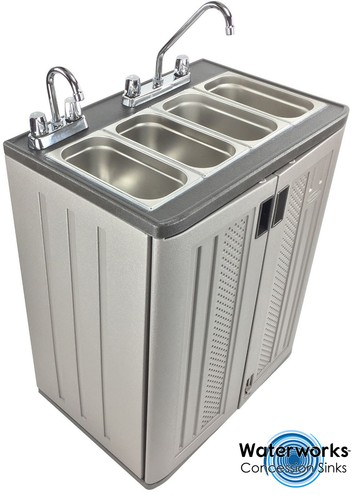
Whether you’re building a new truck or upgrading an existing one, choosing the right hand sink is a critical step to passing inspection and protecting your customers.
Read too: Top Trucking Companies That Still Have Manual Transmissions
Why Is a Hand Sink For Food Truck Required by Law?
A hand sink for food truck is legally required because handwashing is the single most effective way to prevent the spread of bacteria and foodborne illnesses. According to public health data, proper handwashing can reduce contamination risks by over 50% in food handling environments.
Food safety regulations in the U.S. are guided by agencies such as the FDA and local health departments. They follow guidelines from institutions like the Food Code, which emphasizes that employees must have convenient access to a designated handwashing station at all times.
For background on the importance of hand hygiene in food service, see this authoritative source on Wikipedia:
https://en.wikipedia.org/wiki/Hand_washing
Most health departments will immediately fail a food truck inspection if:
- There is no dedicated hand sink
- The sink is blocked or used for dishes
- Hot water is not available
- No soap or paper towels are present
A hand sink is not optional — it is essential.
What Are the Requirements for a Hand Sink For Food Truck?
Although specific rules vary by state and county, most U.S. health departments require the following:
✅ Hot and cold running water
✅ A mixing faucet
✅ Soap dispenser
✅ Paper towel holder (not cloth)
✅ A wastewater tank
✅ Separate from dishwashing sinks
Basic Size Requirements (Typical Range)
| Component | Standard Minimum |
|---|---|
| Sink bowl width | 9–12 inches |
| Sink depth | 5–6 inches |
| Fresh water tank | 20–40 gallons |
| Wastewater tank | 30–50 gallons |
| Water temperature | Minimum 100°F (38°C) |
These standards ensure that food handlers can wash hands properly for at least 20 seconds per wash, which is the CDC recommendation.
💡 Pro Tip: Some counties require a separate sink for dishes and utensils, so never try to combine them.
Where Should a Hand Sink Be Installed in a Food Truck?
Placement is just as important as the sink itself.
The hand sink for food truck must be:
- Easily accessible to employees
- Located in a food preparation zone
- Unobstructed at all times
- Away from raw food contact surfaces
Best Placement Ideas
✔ Near the food prep counter
✔ Next to the service window
✔ At the entrance of the prep area
🚫 Under storage
🚫 Behind equipment
🚫 Inside cabinets
If staff have to walk far to wash hands, inspectors may consider it non-compliant.
Optimal placement improves workflow and increases hygiene compliance.
How Much Does a Hand Sink For Food Truck Cost?
Pricing depends on materials, size, and features. Here’s a realistic breakdown:
| Type | Average Cost |
|---|---|
| Basic stainless steel | $150–$300 |
| With foot pedal | $300–$550 |
| NSF certified | $400–$900 |
| Custom-built | $1,000+ |
Additional costs to consider:
- Plumbing: $150–$400
- Water tank setup: $100–$300
- Installation labor: $200–$500
💵 Total average investment: $500 – $1,500 depending on your setup.
While this may seem high, it is minor compared to:
- Fines for non-compliance
- Losing your license
- Shutting down your truck
A functional hand sink is an investment in long-term success.
How to Install a Hand Sink For Food Truck (Step-by-Step)
Installing a hand sink for food truck isn’t difficult if done correctly. Follow these steps carefully:
Step 1: Choose the location
Mark an open and accessible area near your food prep station.
Step 2: Mount the sink
Secure the sink to the wall or counter using metal brackets or screws rated for vibration.
Step 3: Install water tanks
- Fresh water tank: Minimum 30 gallons
- Grey (waste) water tank: Minimum 40 gallons
Always use food-grade tanks.
Step 4: Connect plumbing
Attach:
- Fresh water hose
- Drain line to wastewater tank
- Water pump (12V or 120V)
Step 5: Install water heater
Choose a compact electric heater (2–6 gallons) set to at least 100°F (38°C).
Step 6: Add hygiene accessories
Install:
- Soap dispenser
- Paper towel holder
- Trash bin
Step 7: Test system
Run the water for 2 full minutes to check for:
✔ Leaks
✔ Proper temperature
✔ Adequate pressure
If all checks pass — you’re inspection-ready.
What Type of Sink Is Best: Foot Pedal or Hand Faucet?
Many food truck owners ask this exact question.
Here’s a simple comparison:
| Feature | Foot Pedal | Hand Faucet |
|---|---|---|
| Hygiene | Excellent | Good |
| Cost | Higher | Lower |
| Ease of use | Very Easy | Easy |
| Inspection approval | Preferred | Accepted |
| Installation | Moderate | Simple |
Foot pedal systems are strongly preferred because they maintain hands-free operation — reducing contamination risk.
If budget allows, choose foot pedal or sensor-operated sinks.
Common Mistakes That Cause Inspection Failure
Avoid these frequent problems:
❌ Using the hand sink for dishwashing
❌ No hot water supply
❌ No soap dispenser
❌ No paper towels
❌ Sink placed behind equipment
❌ Water tank too small
Almost 35% of failed food truck health inspections involve handwashing issues. Most of these failures are entirely preventable.
Benefits vs Drawbacks of a Hand Sink For Food Truck
✅ Benefits
- Passes health inspection
- Reduces bacteria by up to 50–70%
- Builds customer trust
- Supports professional workflow
- Prevents legal trouble
❌ Drawbacks
- Takes up space
- Installation cost
- Requires tank maintenance
✅ Final verdict: Benefits massively outweigh drawbacks.
How Often Should You Clean and Maintain Your Hand Sink?
To maintain proper hygiene:
- Clean sink: Every day
- Sanitize faucet: After each shift
- Empty wastewater tank: Daily
- Check hoses: Weekly
- Deep-clean system: Once per month
Use a sanitizer solution such as:
2 tablespoons of bleach per 1 gallon of water
This keeps the system bacteria-free and odor-free.
Frequently Asked Questions (FAQ)
Q1: Is a hand sink required in every food truck?
A: Yes. In almost every U.S. state, a hand sink for food truck is required by law and enforced by the local health department.
Q2: Can I use one sink for both hands and dishes?
A: No. Health regulations require a separate handwashing sink from dishwashing and food-prep sinks.
Q3: What is the minimum water temperature for a hand sink?
A: The minimum required hot water temperature is 100°F (38°C) to allow proper handwashing.
Q4: Do I need a water heater for my hand sink?
A: Yes. You must install a water heater capable of maintaining the minimum required temperature.
Q5: What size water tank do I need for a hand sink?
A: A 30–40 gallon fresh water tank is recommended, depending on your local regulations and traffic volume.
Conclusion
Installing a proper hand sink for food truck is one of the smartest and most important steps you can take as a mobile food business owner. It keeps you legal, keeps you safe, and keeps your customers protected.
With the right size, placement, temperature, and accessories, your hand sink will help you:
- Pass inspections
- Prevent illness
- Build trust
- Operate professionally
If this guide helped you, share it on your social media with other food truck owners and entrepreneurs. Someone else out there may be one sink away from success.
Leave a Reply