
A dead battery can sideline a semi truck, delay deliveries, and cost real money. Choosing the right Heavy Duty Semi Truck Batteries ensures strong cold starts, stable voltage for electronics, and dependable performance in extreme weather. This guide helps you understand battery types, ratings, installation, and maintenance so your rig starts every time.
What Are Heavy Duty Semi Truck Batteries?


4
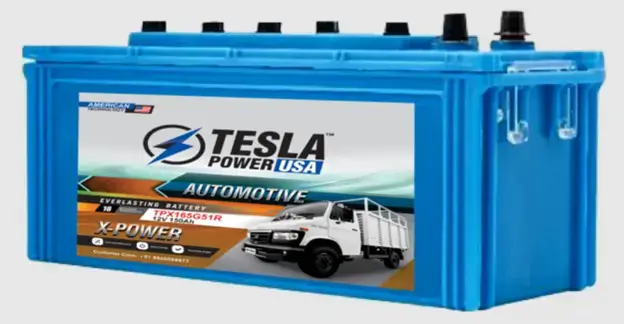
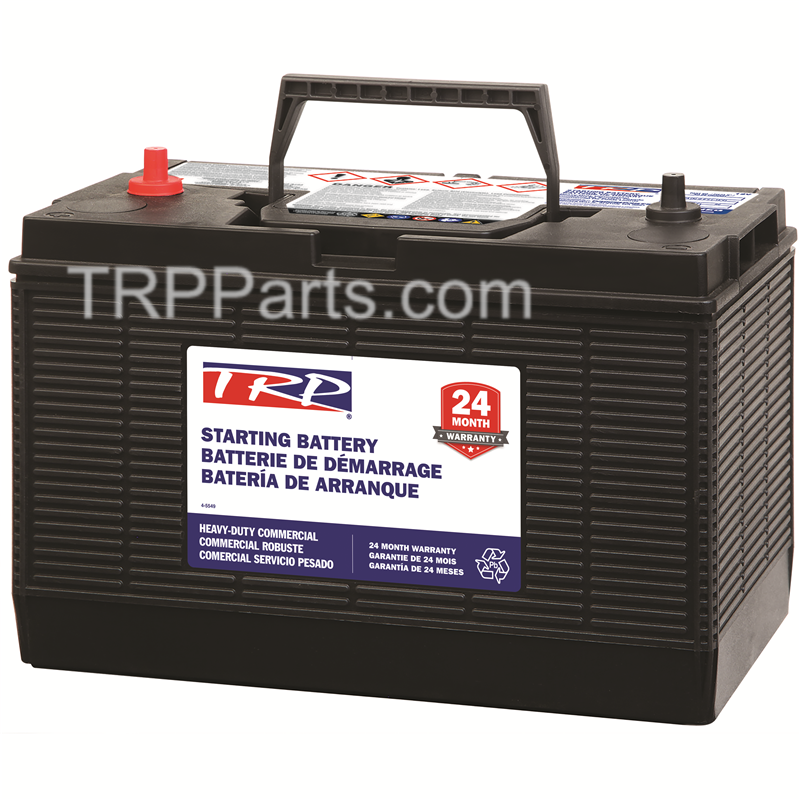
Heavy Duty Semi Truck Batteries are typically Group 31 12-volt batteries designed for high cranking power and vibration resistance. Most semis run two to four batteries in parallel to deliver the amps needed to crank large diesel engines and power sleepers, lights, and inverters.
Common construction types:
- Flooded lead-acid (FLA)
- Absorbent Glass Mat (AGM)
- Enhanced flooded (EFB)
Read too: Top Trucking Companies That Still Have Manual Transmissions
For general battery principles, see Wikipedia: https://en.wikipedia.org/wiki/Lead%E2%80%93acid_battery
Why Do Semi Trucks Need Multiple Batteries?
Large diesel engines require massive Cold Cranking Amps (CCA). A single battery can’t reliably provide it, especially in winter.
Benefits of multi-battery setups
- Higher total CCA for cold starts
- Redundancy if one battery weakens
- Stable voltage for onboard electronics
- Better support for hotel loads (APU, inverter, HVAC)
Typical configuration: 3–4 Group 31 batteries, each rated 900–1150 CCA.
What Specifications Matter Most?
Key Ratings Explained
| Spec | What It Means | What To Look For |
|---|---|---|
| CCA | Cold cranking power at 0°F | 950–1150 CCA per battery |
| RC (Reserve Capacity) | Minutes of backup power | 180–220 minutes |
| Ah (Amp-hour) | Energy storage | 95–120 Ah |
| Vibration Rating | Durability on rough roads | AGM excels |
| Warranty | Replacement coverage | 18–36 months |
Higher isn’t always better—match specs to your climate and electrical load.
AGM vs Flooded Batteries: Which Is Better?
| Feature | Flooded Lead-Acid | AGM |
|---|---|---|
| Price | Lower | Higher |
| Maintenance | Requires checks | Maintenance-free |
| Vibration Resistance | Moderate | Excellent |
| Spill Risk | Possible | Sealed |
| Lifespan | 2–4 years | 3–6 years |
AGM batteries are preferred for modern semis with heavy electrical demands and rough routes.
How Many CCAs Does a Semi Truck Need?
Most diesel engines require 2,500–3,500 total CCA.
Example setup:
- 3 batteries × 1,000 CCA = 3,000 CCA total
This ensures reliable starts in temperatures below 20°F.
How Long Do Heavy Duty Semi Truck Batteries Last?
Average lifespan depends on climate, vibration, and maintenance.
- Flooded batteries: 2–4 years
- AGM batteries: 4–6 years
Heat is the biggest enemy. Trucks in southern states often see shorter battery life.
Step-by-Step: How to Replace Semi Truck Batteries Safely
Tools Needed
- Wrench set
- Battery terminal brush
- Anti-corrosion spray
- Gloves and eye protection
Replacement Steps
- Turn off engine and disconnect ground cables first.
- Remove positive terminals.
- Lift out old batteries carefully (Group 31 weighs ~60–75 lbs).
- Clean tray and terminals with brush.
- Place new batteries, secure tightly.
- Connect positive first, then negative.
- Spray terminals with anti-corrosion protectant.
- Start engine and verify voltage (12.6V resting, 13.7–14.4V running).
Time required: 30–45 minutes.
Cost of Heavy Duty Semi Truck Batteries
| Battery Type | Average Price (Each) |
|---|---|
| Flooded Group 31 | $120–$180 |
| AGM Group 31 | $220–$350 |
A full set of 4 AGM batteries can cost $900–$1,200, but lasts longer and reduces failures.
Signs Your Semi Truck Battery Is Failing
- Slow engine crank
- Dim headlights at idle
- Clicking sound on start
- Corrosion on terminals
- Voltage below 12.4V at rest
Testing every 3 months prevents roadside breakdowns.
Maintenance Tips to Extend Battery Life
- Check voltage monthly with a multimeter
- Keep terminals clean and tight
- Avoid deep discharges from inverters
- Inspect alternator output regularly
- Use a battery equalizer if running 4 batteries
Proper care can add 1–2 extra years of life.
Advantages vs Disadvantages of AGM Batteries
Advantages
- No maintenance
- Better cold starts
- Longer lifespan
- Safer sealed design
Disadvantages
- Higher price
- Sensitive to overcharging
Who Should Upgrade to AGM Batteries?
AGM is ideal if you:
- Run APUs or inverters overnight
- Drive rough routes
- Operate in cold climates
- Want fewer battery replacements
FAQ: Heavy Duty Semi Truck Batteries
What is the best battery group size for semis?
Group 31 is the industry standard.
Can I mix old and new batteries?
Not recommended. Replace as a full set.
How often should I test batteries?
Every 3 months or before winter.
Do I need a special charger for AGM?
Yes, use an AGM-compatible smart charger.
What kills truck batteries fastest?
Heat, vibration, and deep discharges.
Conclusion
Choosing the right Heavy Duty Semi Truck Batteries is essential for reliable starts, stable power, and fewer breakdowns. By selecting the correct type, monitoring voltage, and maintaining terminals, you can extend battery life and keep your truck on the road where it belongs.
If this guide helped you, share it with fellow drivers and fleet managers on social media to help them avoid costly battery failures.
Leave a Reply