
If you’re researching a Heavy Duty Truck Parts Franchise, you’re likely exploring a business opportunity tied to the trucking and logistics industry. With freight demand remaining strong across the U.S., heavy-duty trucks require constant maintenance—and that means steady demand for parts.
But is opening a truck parts franchise a profitable move? What does it cost? And how do you get started? This guide walks you through everything you need to know before investing.
Read too: Top Trucking Companies That Still Have Manual Transmissions
What Is a Heavy Duty Truck Parts Franchise?
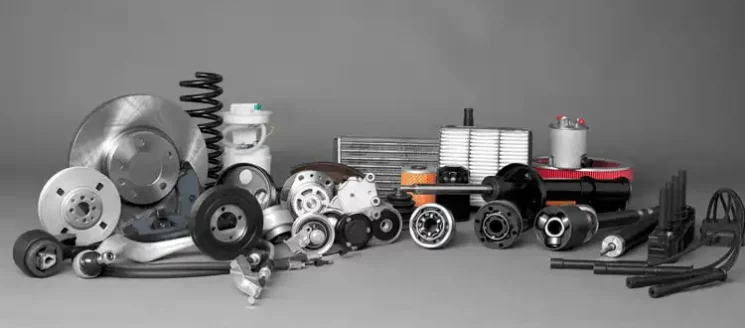
A Heavy Duty Truck Parts Franchise is a business model where you operate under an established brand selling replacement parts and components for commercial trucks.
These parts typically include:
- Diesel engines and components
- Braking systems
- Suspensions
- Transmissions
- Filters and fluids
- Electrical systems
Heavy-duty trucks (Class 7 and 8 vehicles) operate in freight transportation, construction, and logistics. Learn more about heavy trucks here:
https://en.wikipedia.org/wiki/Truck_classification
Franchisees benefit from:
- Brand recognition
- Supplier relationships
- Inventory systems
- Marketing support
- Training programs
Why Is There Strong Demand for Heavy-Duty Truck Parts?
The U.S. freight industry moves over 70% of domestic freight by truck. With millions of commercial trucks on the road, parts replacement is constant.
Key industry drivers:
- Aging truck fleets
- Rising freight volumes
- Preventive maintenance requirements
- Increased e-commerce shipping
- Stricter emissions standards
The average Class 8 truck runs over 100,000 miles per year. That level of usage creates ongoing wear and tear.
How Much Does a Heavy Duty Truck Parts Franchise Cost?
Startup investment varies depending on location, size, and brand.
Typical Investment Breakdown
| Expense Category | Estimated Cost |
|---|---|
| Franchise Fee | $25,000–$75,000 |
| Inventory | $200,000–$500,000 |
| Facility Lease | $5,000–$15,000/month |
| Equipment & Systems | $50,000–$150,000 |
| Working Capital | $75,000–$150,000 |
Total Investment Range: $350,000–$900,000+
Inventory is often the largest upfront cost.
How Profitable Is It?
Profitability depends on location, market competition, and operational efficiency.
Revenue Drivers
- Fleet contracts
- Independent owner-operators
- Repair shop partnerships
- Emergency part supply
Average gross margins in the aftermarket truck parts sector typically range from 20–35%.
Example Monthly Financial Snapshot
| Category | Estimate |
|---|---|
| Monthly Revenue | $400,000 |
| Cost of Goods Sold | $280,000 |
| Operating Expenses | $70,000 |
| Net Before Taxes | ~$50,000 |
Results vary widely based on local demand and management skills.
What Are the Pros and Cons?
Advantages
- Recurring demand
- Strong B2B relationships
- Scalable operations
- Brand support from franchisor
- Recession-resistant sector
Disadvantages
- High inventory investment
- Competitive pricing pressures
- Supply chain volatility
- Cash flow management challenges
Truck parts are essential, but margins depend on volume and supplier agreements.
How to Start a Heavy Duty Truck Parts Franchise (Step-by-Step)
If you’re serious about launching a Heavy Duty Truck Parts Franchise, follow this roadmap:
Step 1: Research Franchise Options
- Compare brands.
- Review Franchise Disclosure Document (FDD).
- Understand royalty structure.
Step 2: Analyze Your Local Market
- Count truck stops and repair shops.
- Evaluate competition.
- Identify fleet operators.
Step 3: Secure Financing
- SBA loans
- Commercial bank loans
- Investor capital
Step 4: Select Location
Ideal sites include:
- Near highways
- Industrial zones
- Trucking hubs
Step 5: Build Inventory Strategy
- Stock high-turnover items first.
- Track demand patterns weekly.
- Maintain reorder thresholds.
Step 6: Hire Experienced Staff
- Counter sales experts
- Inventory managers
- Outside sales reps
Who Is This Business Best For?
A heavy-duty truck parts franchise suits individuals who:
- Have business management experience
- Understand automotive or diesel mechanics
- Are comfortable with inventory control
- Can build B2B relationships
- Have strong financial planning skills
You don’t need to be a mechanic—but industry knowledge helps.
Key Factors That Influence Success
1. Location
Proximity to trucking routes and industrial zones is critical.
2. Inventory Management
Overstocking ties up cash. Understocking loses customers.
3. Supplier Relationships
Negotiating better pricing improves margins.
4. Customer Service
Truck operators value speed and reliability.
What About Online Competition?
E-commerce is growing in auto parts, but heavy-duty trucking still relies heavily on immediate availability.
Fleet operators often need parts within hours—not days.
Local franchises compete by offering:
- Same-day pickup
- Emergency deliveries
- Technical advice
Franchise vs Independent Store
Comparison Table
| Feature | Franchise | Independent |
|---|---|---|
| Brand Recognition | High | Low initially |
| Supplier Access | Established | Must negotiate |
| Marketing Support | Provided | Self-funded |
| Startup Cost | Higher | Flexible |
| Operational Freedom | Limited | Full control |
Franchising reduces startup uncertainty but limits flexibility.
Risks to Consider
- Economic slowdowns reducing freight volume
- Rising fuel costs impacting trucking activity
- Technological shifts (electric trucks)
- Inventory shrinkage
Staying adaptable and monitoring industry trends is essential.
FAQ – Heavy Duty Truck Parts Franchise
Is a heavy duty truck parts franchise profitable?
Yes, with proper location and inventory management. Margins typically range from 20–35%.
Do I need industry experience?
Not mandatory, but experience in automotive, diesel, or distribution helps significantly.
How long does it take to break even?
Many franchises aim for 2–4 years, depending on market conditions.
What are ongoing fees?
Most franchises charge royalties (often 4–8% of revenue) plus marketing fees.
Is financing available?
Yes. SBA loans and commercial financing are common funding options.
Conclusion
A Heavy Duty Truck Parts Franchise offers strong potential in a stable and essential industry. With freight demand continuing nationwide, heavy-duty trucks will always require parts, repairs, and maintenance.
However, success depends on careful planning, smart inventory control, strong supplier relationships, and disciplined financial management.
If you’re ready to invest in a business tied to the backbone of American logistics, this franchise model may be worth serious consideration.
If this guide helped you, share it with fellow entrepreneurs exploring opportunities in the trucking and aftermarket industry.
Leave a Reply