
Maintaining and repairing heavy-duty trucks is not just about tools—it’s about having the right information at the right time. Heavy Duty Truck Repair Manuals are essential resources for mechanics, fleet managers, and owner-operators who want accurate diagnostics and reliable repairs. If you’ve ever faced confusing fault codes, incomplete instructions, or costly downtime, this guide is designed to help you make smarter decisions.
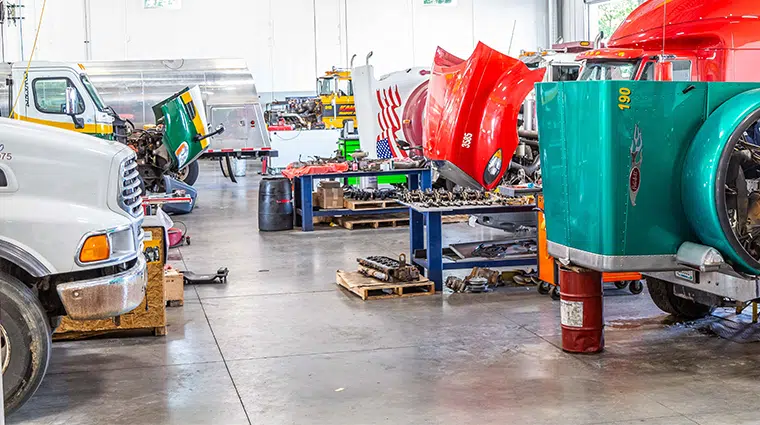
What Are Heavy Duty Truck Repair Manuals?
Heavy Duty Truck Repair Manuals are detailed technical documents created by manufacturers or professional publishers. They provide step-by-step instructions, diagrams, specifications, and troubleshooting procedures for large commercial vehicles such as semi-trucks, dump trucks, and vocational trucks.
Read too: Top Trucking Companies That Still Have Manual Transmissions
What These Manuals Typically Include
- Engine diagnostics and repair steps
- Transmission and drivetrain service procedures
- Electrical wiring diagrams
- Torque specifications and fluid capacities
- Preventive maintenance schedules
According to general technical documentation standards explained on Wikipedia, service and repair manuals are designed to ensure work is performed safely, consistently, and to manufacturer specifications.
Why Are Heavy Duty Truck Repair Manuals So Important?
Heavy-duty trucks are complex machines. A single mistake during repair can lead to expensive breakdowns or safety risks.
Key Benefits of Using Repair Manuals
- Accuracy: Reduces guesswork during diagnostics
- Safety: Ensures procedures follow approved standards
- Efficiency: Cuts repair time by up to 30–40% (industry estimates)
- Cost Savings: Avoids unnecessary part replacements
Professional mechanics consistently report that having the correct manual on hand is just as important as having the right tools.
Who Should Use Heavy Duty Truck Repair Manuals?
These manuals are not limited to dealership technicians.
Ideal Users
- Professional diesel mechanics
- Fleet maintenance teams
- Owner-operators
- Vocational truck operators
- Technical training students
Even beginners benefit because manuals break complex systems into clear, structured steps.
Types of Heavy Duty Truck Repair Manuals
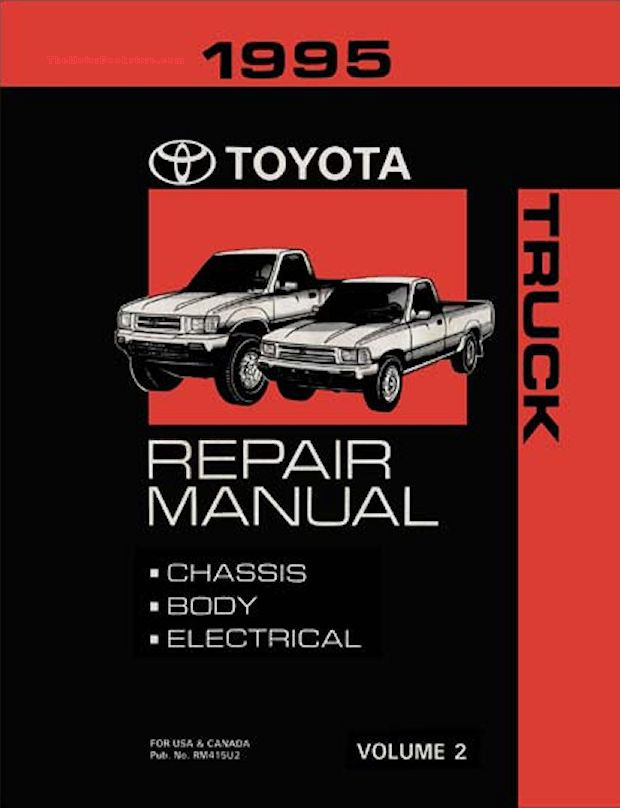
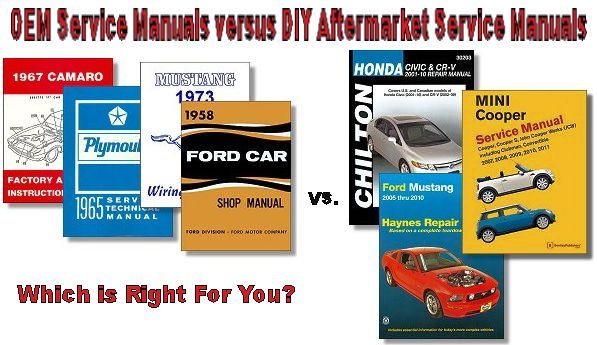
1. OEM (Manufacturer) Repair Manuals
Created by the truck manufacturer.
Pros
- Highest accuracy
- Exact factory specifications
Cons
- Expensive
- Brand-specific only
2. Aftermarket Repair Manuals
Published by independent technical documentation companies.
Pros
- Covers multiple models
- More affordable
Cons
- Slightly less detailed than OEM
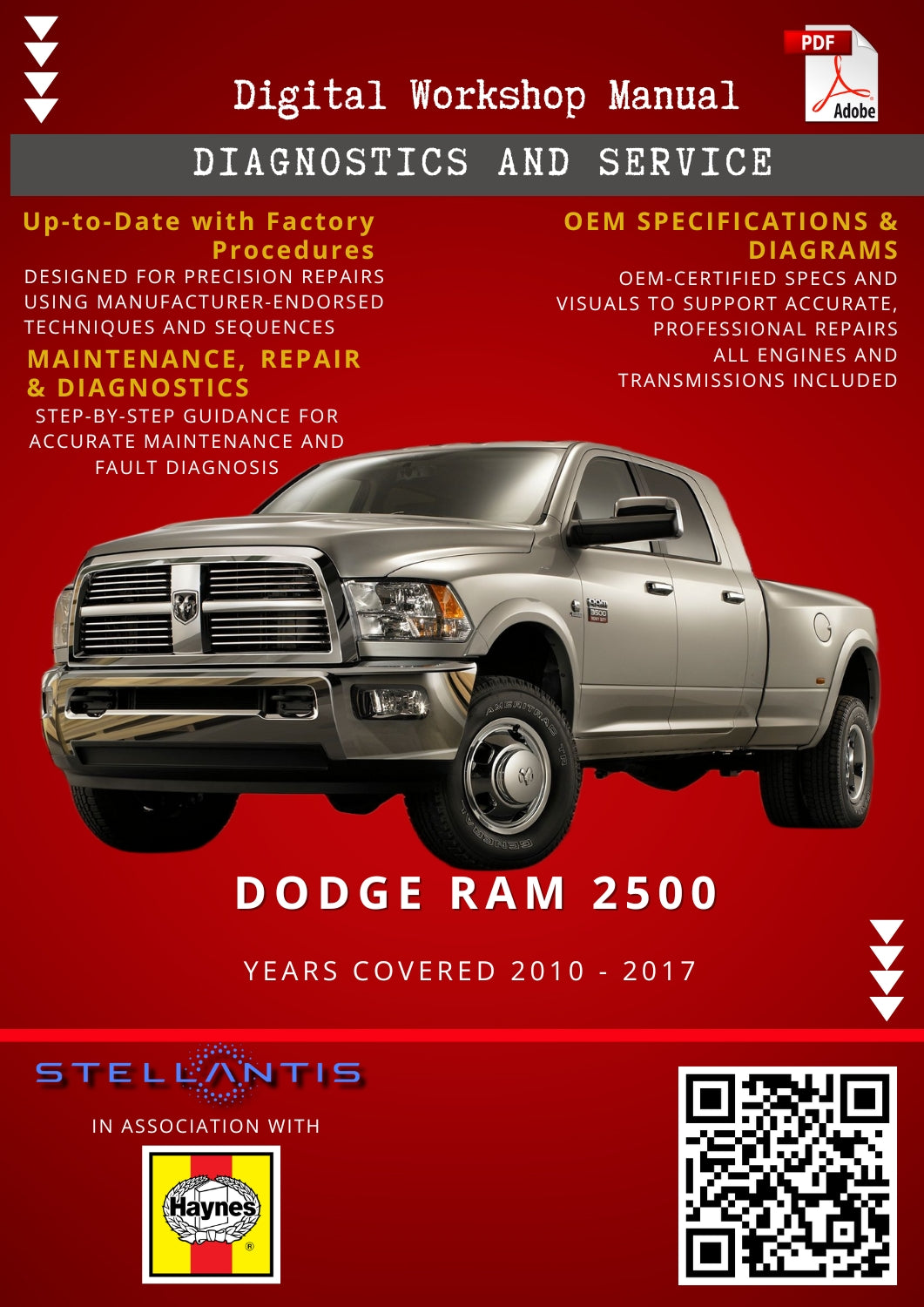
3. Digital vs Printed Manuals
- Digital manuals offer search, updates, and portability
- Printed manuals are reliable in workshops without screens
What Systems Do Heavy Duty Truck Repair Manuals Cover?
A quality manual provides coverage for all major systems.
Core Sections Explained
- Engine Systems: Fuel injection, cooling, lubrication
- Electrical Systems: Sensors, ECUs, wiring diagrams
- Brake Systems: Air brakes, ABS diagnostics
- Suspension & Steering: Alignment, wear limits
- Emissions Systems: DPF, EGR, SCR troubleshooting
This comprehensive coverage reduces the need to consult multiple resources.
How Heavy Duty Truck Repair Manuals Improve Diagnostics
Modern trucks rely heavily on electronic control units (ECUs). Without proper documentation, interpreting fault codes can be misleading.
Diagnostic Advantages
- Clear explanation of fault codes
- Logical troubleshooting trees
- Sensor testing values (e.g., voltage ranges 0.5–4.5V)
- Step-by-step isolation procedures
This structured approach minimizes trial-and-error repairs.
Step-by-Step Example: Using a Repair Manual Effectively
Here’s how professionals typically use a manual during repairs:
- Identify symptoms (e.g., engine misfire)
- Look up the system section in the manual
- Review diagnostic flowcharts
- Measure values using specified tools
- Compare readings to manual specs
- Perform recommended repair
- Verify repair through test operation
This methodical process reduces repeat failures.
Heavy Duty Truck Repair Manuals: Pros vs Cons
| Advantages | Disadvantages |
|---|---|
| Accurate manufacturer specs | Some manuals are costly |
| Reduces repair time | Requires time to learn |
| Improves safety compliance | Brand-specific limitations |
| Supports preventive maintenance | Updates may require subscription |
Despite minor drawbacks, the advantages far outweigh the limitations for serious users.
How to Choose the Right Heavy Duty Truck Repair Manual
Not all manuals are created equal.
Selection Checklist
- Matches truck make, model, and year
- Covers engine and transmission variants
- Includes wiring diagrams
- Updated for emissions regulations
- Available in searchable digital format
Choosing the wrong manual can be as problematic as having no manual at all.
Are Heavy Duty Truck Repair Manuals Worth the Cost?
Many professionals ask this question.
Cost vs Value
- Manual cost: $150–$500+
- Average labor hour saved: 1–3 hours per repair
- Downtime reduction: significant for fleets
In most cases, a single avoided breakdown pays for the manual.
Best Practices for Using Repair Manuals
To get maximum value:
- Bookmark frequently used sections
- Keep digital copies backed up
- Train staff on manual navigation
- Follow torque specs precisely (e.g., 120–180 Nm ranges)
- Update manuals annually if possible
Consistent use leads to better repair quality and longer vehicle lifespan.
Common Mistakes When Using Truck Repair Manuals
Avoid these pitfalls:
- Skipping diagnostic steps
- Ignoring safety warnings
- Using specs from the wrong model year
- Relying on memory instead of documentation
Even experienced technicians benefit from double-checking the manual.
FAQ: Heavy Duty Truck Repair Manuals
Frequently Asked Questions
Q1: Are heavy duty truck repair manuals beginner-friendly?
Yes. Most manuals start with system overviews and clearly explain procedures step by step.
Q2: Can one manual cover multiple truck brands?
Aftermarket manuals sometimes do, but OEM manuals are brand-specific.
Q3: Are digital repair manuals better than printed ones?
Digital manuals are faster to search and easier to update, making them ideal for modern workshops.
Q4: Do repair manuals include wiring diagrams?
High-quality manuals always include detailed wiring diagrams and connector pinouts.
Q5: How often should repair manuals be updated?
Ideally once a year, especially for trucks with updated emissions or electronic systems.
Conclusion
Heavy Duty Truck Repair Manuals are more than reference books—they are essential tools for accurate diagnostics, safe repairs, and long-term cost savings. Whether you manage a fleet or maintain your own truck, the right manual empowers you to work smarter and more confidently.
If this guide helped you understand the value of repair manuals, share it on social media so other truck owners and mechanics can benefit too. 🚛📘
Leave a Reply