
If you own, drive, or maintain a large commercial vehicle, you already know how expensive a single breakdown can be. A well-structured Heavy Duty Truck Service Manual can be the difference between a quick fix and a costly, prolonged repair. This guide is designed to help you understand exactly what this manual is, why it matters, and how to use it effectively — whether you’re a beginner, an owner-operator, or a fleet manager.
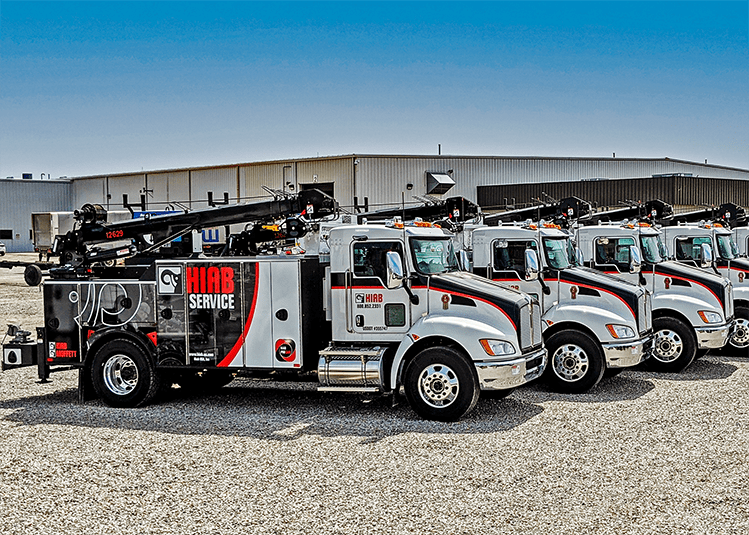
In today’s fast-paced logistics industry, downtime isn’t just inconvenient — it directly affects revenue, deadlines, and safety. And that’s why having the right information in your hands is no longer optional, it’s essential.
What Is a Heavy Duty Truck Service Manual?
A Heavy Duty Truck Service Manual is a comprehensive guide created by manufacturers and professional technicians to explain how to properly inspect, operate, maintain, and repair heavy-duty trucks.
Read too: Top Trucking Companies That Still Have Manual Transmissions
These manuals typically cover:
- Full engine specifications
- Electrical and hydraulic systems
- Transmission and drivetrain components
- Braking and suspension systems
- Preventive maintenance schedules
- Troubleshooting and diagnostic charts
Simply put, it’s the instruction manual that tells you how to keep a heavy-duty truck in perfect working condition.
Most manuals are written in clear step-by-step formats with diagrams, making them usable even for beginners.
Why Is a Heavy Duty Truck Service Manual So Important?
Heavy-duty trucks operate under extreme conditions. They haul heavy loads, travel long distances, and run for hundreds of hours every month. Without regular servicing, these vehicles are more likely to fail.
According to transportation industry data, preventive maintenance can reduce breakdowns by up to 65% and extend vehicle life by over 30%. This is where the Heavy Duty Truck Service Manual becomes critical.
Key Benefits
- Reduces repair costs
- Simplifies troubleshooting
- Improves safety
- Increases vehicle lifespan
- Helps pass DOT inspections
It also ensures that repairs follow correct manufacturer specifications — which is required in many commercial operations.
For a background on how heavy-duty trucks are classified and used in freight systems, you can reference this authoritative source:
https://en.wikipedia.org/wiki/Truck
What Does a Heavy Duty Truck Service Manual Include?
A professional Heavy Duty Truck Service Manual is divided into sections that cover all major parts of the vehicle. Below is a simplified breakdown:
1. Engine System
- Lubrication instructions
- Oil types: SAE 15W-40 (most common)
- Coolant mixing ratios
- Belt and pulley maintenance
- Overheating prevention
2. Transmission & Drivetrain
- Gearbox specifications
- Torque settings
- Clutch replacement steps
- Differential fluid inspection
- Torque converter maintenance
3. Brake System
- Air brake components
- Pressure levels: 90–120 PSI
- Brake pad thickness checks
- Air dryer maintenance
- Emergency brake testing
4. Electrical System
- Wiring diagrams
- Battery specifications (usually 12V or 24V)
- Fuse charts
- Starter and alternator testing
- Sensor replacements
5. Suspension & Steering
- Shock absorber checks
- Airbag pressures
- Wheel alignment
- Tire rotation patterns
- Torque specs on suspension bolts
Each section gives step-by-step repair guides and visual diagrams for easy reference.
How to Use a Heavy Duty Truck Service Manual Step by Step
Here’s how to get the most value from your Heavy Duty Truck Service Manual, even if you’re new to truck maintenance:
Step 1: Identify your truck model
Locate the VIN (Vehicle Identification Number) on the driver’s dashboard or door frame. Manuals are specific to exact models and years.
Step 2: Find the correct section
Use the table of contents to navigate whether you’re dealing with engine, brakes, electrical, or transmission problems.
Step 3: Follow the diagnostic flow chart
Most manuals provide a “symptom → cause → solution” format. For example:
Symptom: Engine overheating
Cause: Low coolant
Solution: Add 2 liters of 50/50 coolant mixture, temperature 22–28°C
This structure saves time and reduces guesswork.
Step 4: Use proper tools
The manual lists the exact tools and sizes required, such as:
- Torque wrench (75–150 ft-lbs)
- Multimeter for electrical diagnosis
- Oil filter wrench
- Diagnostic scanner
Step 5: Record your maintenance
After repairs, document the mileage and date. This helps track service intervals accurately.
Consistency improves truck performance and resale value.
Printable vs Digital Heavy Duty Truck Service Manual
| Feature | Printable Manual | Digital Manual |
|---|---|---|
| Cost | Lower | Higher |
| Updates | No | Yes |
| Portability | Heavy | Mobile-friendly |
| Search | Manual | Instant |
| Durability | Can wear | Long-lasting |
Digital versions are now preferred by most professional mechanics because they include constant updates and searchable functions.
However, printable copies still work well in offline environments.
How Often Should You Follow the Service Manual?
To keep your heavy-duty truck in peak condition, follow these common service intervals:
| Maintenance Task | Interval |
|---|---|
| Oil change | Every 15,000–25,000 miles |
| Air filter | Every 12,000 miles |
| Brake check | Every 10,000 miles |
| Coolant flush | Every 30,000 miles |
| Full inspection | Every 90 days |
By following this schedule, you can add up to 5 years to your engine life.
📌 Most breakdowns occur when regular maintenance is skipped.
Real Case Study: Fleet Owner Saves $24,000 in Repairs
A logistics company operating 14 heavy-duty trucks in Texas implemented strict service manual compliance across their fleet.
Before:
- Monthly breakdowns
- Avg repair cost: $4,000/month
- High downtime
After using a Heavy Duty Truck Service Manual and following its maintenance schedule:
- Breakdown rate reduced by 70%
- Repair cost dropped to $800/month
- Maintained on-time deliveries
That’s an annual savings of more than $24,000 just from proper documentation and scheduled service.
Kelebihan vs Kekurangan (Advantages vs Disadvantages)
✅ Advantages
- Step-by-step guidance
- Improves safety
- Reduces mistakes
- Works for beginners
- Extends truck lifespan
❌ Disadvantages
- Can be complex at first
- Requires time to learn
- Model-specific limitations
Overall, the value it provides is significantly greater than the learning curve.
Common Mistakes People Make Without a Service Manual
Avoid these costly errors:
❌ Using the wrong oil type
❌ Incorrect torque settings
❌ Skipping filter replacements
❌ Guessing electrical wiring
❌ Ignoring warning codes
These mistakes often lead to engine failure, transmission damage, or brake system collapse.
A Heavy Duty Truck Service Manual prevents guesswork and ensures precise repairs every time.
Frequently Asked Questions (FAQ)
Q1: Are heavy duty truck service manuals universal?
A: No. Manuals are usually model-specific and built for certain truck brands like Freightliner, Kenworth, Volvo, or Peterbilt.
Q2: Can beginners use a service manual effectively?
A: Yes. Most manuals include diagrams and explanations that make them beginner-friendly with clear instructions.
Q3: Is a digital manual better than a printed one?
A: Digital manuals are more efficient because they are searchable and updated, but printed versions still work fine.
Q4: How much does a heavy duty truck service manual cost?
A: Typically between $40 – $300, depending on how detailed and specific the manual is.
Q5: How long does it take to learn how to use a service manual?
A: With consistent use, most people become comfortable in 1–2 weeks.
Conclusion
A Heavy Duty Truck Service Manual isn’t just a book — it’s a powerful tool that reduces problems, saves money, and prevents downtime. Whether you’re a driver, owner, mechanic, or fleet manager, mastering this manual will significantly improve your efficiency and vehicle reliability.
With the correct use of data, schedules, and step-by-step procedures, you’ll protect both your investment and your safety on the road.
If you found this guide helpful, share it on social media with others in the trucking industry. The right information can keep many trucks running safely and smoothly.
Leave a Reply