
Starting a food truck can be an exciting way to enter the food industry, but many aspiring entrepreneurs worry about the high startup costs. If you’ve been researching How To Start A Food Truck Business With No Money, you’re not alone—many successful food truck owners began with very limited capital.
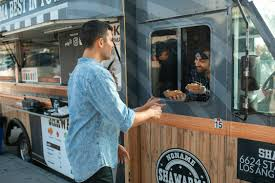
The good news is that creative funding strategies, partnerships, and low-cost business models make it possible to launch a food truck without large upfront investment. This guide will walk you through practical steps to turn your food truck idea into a real business—even on a tight budget.
Read too: Franklin Truck Parts Near Me: Your Complete Guide to Local Truck Parts & Repair Solutions
How To Start A Food Truck Business With No Money
Understanding How To Start A Food Truck Business With No Money starts with recognizing that you may not need to buy everything upfront. Many entrepreneurs launch their businesses by reducing startup costs, securing funding alternatives, or starting small and scaling gradually.
The food truck industry has grown rapidly over the last decade. In the United States, the mobile food industry generates billions of dollars annually, driven by demand for convenient and unique street food experiences.
For general background about food trucks and their history, see:
https://en.wikipedia.org/wiki/Food_truck
Although launching a food truck traditionally costs $50,000–$150,000, creative entrepreneurs often find ways to start for far less.
Why Food Trucks Are Popular Startup Businesses
Food trucks are attractive for new entrepreneurs because they offer lower barriers compared to traditional restaurants.
Advantages of Food Truck Businesses
Pros
- Lower startup costs than restaurants
- Flexible locations
- High demand for street food
- Faster startup timeline
Cons
- Limited kitchen space
- Weather-dependent sales
- Local permit requirements
Despite these challenges, food trucks offer an accessible path into the food industry.
Step 1: Start With a Low-Cost Food Concept
If you want to start a food truck with little or no money, choosing the right concept is critical.
Focus on Simple Menus
Complex menus require expensive equipment and more ingredients.
Instead, consider foods such as:
- Tacos
- Hot dogs
- Grilled sandwiches
- Fried rice
- Coffee or beverages
These options require minimal equipment and lower ingredient costs.
Example Startup Menu
| Item | Estimated Ingredient Cost |
|---|---|
| Taco | $1.20 |
| Street corn | $0.80 |
| Lemonade | $0.50 |
Simple menus help maximize profit margins early.
Step 2: Test Your Food Before Buying a Truck
Many successful food truck owners start by testing their concept without a truck.
Low-Cost Ways to Test Your Idea
You can begin with:
- Pop-up food stalls
- Farmers markets
- Local festivals
- Catering events
This approach helps validate your idea before investing in a truck.
Benefits of Testing First
- Build a customer base
- Collect feedback
- Save money
- Improve recipes
Testing your food concept can reduce financial risk significantly.
Step 3: Use Creative Funding Options
Starting a food truck without money often requires alternative funding strategies.
1. Crowdfunding
Crowdfunding platforms allow entrepreneurs to raise small contributions from many supporters.
Popular crowdfunding rewards include:
- Free meals
- Discount vouchers
- VIP event invitations
Many successful food trucks launch through community support.
2. Partnerships
You may partner with someone who provides capital while you manage operations.
Example arrangement:
| Role | Responsibility |
|---|---|
| Partner | Provides startup capital |
| Founder | Runs daily operations |
Partnerships reduce the financial burden on one individual.
3. Equipment Financing
Some lenders finance food trucks or kitchen equipment.
Advantages include:
- Low upfront cost
- Monthly payments
- Business credit building
This allows entrepreneurs to acquire equipment without large savings.
4. Leasing a Food Truck
Instead of purchasing a truck immediately, you can lease a food truck.
Leasing Benefits
- Lower startup cost
- No large upfront purchase
- Flexible contract terms
Leasing allows new entrepreneurs to start operating quickly.
Step 4: Rent a Shared Kitchen
Many cities require food trucks to prepare food in licensed kitchens.
Instead of building your own kitchen, consider shared commercial kitchens.
Advantages
Shared kitchens offer:
- Health department compliance
- Affordable hourly rental
- Professional equipment
Typical rental costs range from $15 to $40 per hour.
This significantly reduces startup expenses.
Step 5: Buy a Used Food Truck
A brand-new food truck can cost more than $100,000, but used trucks are far cheaper.
Average Used Truck Prices
| Truck Condition | Price Range |
|---|---|
| Basic used truck | $15,000 – $30,000 |
| Equipped food truck | $30,000 – $60,000 |
| New custom truck | $75,000 – $150,000 |
Buying a used truck can save tens of thousands of dollars.
Step 6: Handle Permits and Licenses
Every food truck business must comply with local regulations.
Common permits include:
- Food service permit
- Business license
- Health department approval
- Parking permits
Permit costs vary depending on the city.
Typical Permit Costs
| Permit Type | Estimated Cost |
|---|---|
| Business license | $50 – $400 |
| Health permit | $100 – $1,000 |
| Food handler certification | $10 – $100 |
Research your city’s requirements carefully.
Step 7: Build a Strong Brand on Social Media
Marketing is essential when launching a food truck with limited money.
Fortunately, social media offers free marketing opportunities.
Best Platforms for Food Trucks
- TikTok
- Google Maps listings
Effective Content Ideas
Post:
- Food photos
- Cooking videos
- Location updates
- Customer reviews
Consistent social media activity helps attract loyal customers.
Step 8: Choose High-Traffic Locations
Location can make or break a food truck business.
Profitable Locations
Look for areas such as:
- Downtown business districts
- Office parks
- University campuses
- Festivals and concerts
These locations offer steady customer traffic.
Real Example: Starting Small and Scaling Up
Many successful food truck owners began with minimal resources.
Example scenario:
| Expense | Cost |
|---|---|
| Used truck | $20,000 |
| Kitchen equipment | $5,000 |
| Permits | $1,000 |
| Initial ingredients | $500 |
Total startup investment: $26,500
With daily revenue of $600–$1,200, many food trucks recover startup costs within the first year.
Common Mistakes to Avoid
Avoid these common pitfalls when starting a food truck.
Overcomplicated Menus
Too many menu items increase ingredient costs and slow service.
Ignoring Local Regulations
Operating without proper permits can lead to fines or shutdowns.
Poor Location Planning
Even great food struggles in low-traffic areas.
Underestimating Operating Costs
Remember to budget for:
- Fuel
- Maintenance
- Insurance
- Ingredients
Planning carefully improves long-term success.
FAQ: How To Start A Food Truck Business With No Money
Can you start a food truck with no money?
Yes. Many entrepreneurs start using leasing, partnerships, crowdfunding, or small business financing instead of paying full costs upfront.
What is the cheapest way to start a food truck?
The cheapest approach is starting with pop-up food stalls or catering events, then saving profits to purchase a truck later.
How much does a food truck normally cost?
A food truck typically costs $50,000 to $150,000, but used trucks can cost much less.
Do food trucks make good money?
Successful food trucks can generate $250,000 to $500,000 annually, depending on location and menu pricing.
What permits are needed for a food truck?
Most cities require:
- Business license
- Health department permit
- Food safety certification
- Parking permits
Is the food truck industry growing?
Yes. The mobile food industry continues to expand as consumers demand convenient and unique dining options.
Conclusion
Learning How To Start A Food Truck Business With No Money is about creativity, resourcefulness, and smart planning. By testing your food concept, securing alternative funding, leasing equipment, and using low-cost marketing strategies, you can launch a food truck without massive startup capital.
Many successful food truck owners began small and gradually expanded into thriving businesses. With determination and the right strategy, your mobile food dream can become reality.
If this guide helped you understand how to launch a food truck business, consider sharing it on social media to help other aspiring entrepreneurs start their own food truck journey. 🚚🌮
Leave a Reply