
Experiencing a situation where if something falls off a truck and hits my car can be frightening, confusing, and stressful. Many drivers are unsure who is responsible, what steps to take, or whether insurance will cover the damage. This guide is designed to clearly explain your rights, responsibilities, and next actions—so you can protect yourself legally and financially.
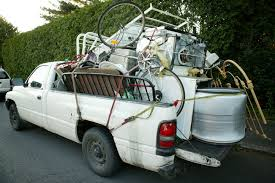
If Something Falls Off A Truck And Hits My Car, Who Is Responsible?
In most cases, the truck driver or trucking company is legally responsible if unsecured cargo falls off a truck and causes damage or injury.
Read too: Franklin Truck Parts Near Me: Your Complete Guide to Local Truck Parts & Repair Solutions
Why Responsibility Often Falls on the Truck
Commercial trucks are required by law to properly secure their loads. Failure to do so is considered negligence.
Common responsible parties may include:
- The truck driver
- The trucking company
- The cargo loading company
- In rare cases, a vehicle or equipment manufacturer
According to transportation safety data, cargo-related incidents account for thousands of roadway accidents annually, many of which are preventable through proper load securement.
What Should I Do Immediately After the Accident?
If something falls off a truck and hits your car, your actions in the first few minutes matter.
Step-by-Step Actions to Take
Step 1: Get to Safety
- Pull over safely if possible
- Turn on hazard lights
- Avoid standing in traffic
Step 2: Call 911
Even if injuries seem minor:
- Police reports are crucial for insurance claims
- Officers can identify the truck and driver
Step 3: Gather Evidence
Use your phone to collect:
- Photos of the debris
- Damage to your car
- The truck’s license plate and DOT number
- Road conditions
Step 4: Get Witness Information
Witness statements can significantly strengthen your claim.
Step 5: Seek Medical Attention
Some injuries (like whiplash) appear hours or days later.
Do I Need Proof That the Object Came From the Truck?
Yes. Proving the object fell from the truck is essential for holding the driver or company accountable.
Helpful Evidence Includes
- Dashcam footage
- Police accident report
- Eyewitness statements
- Photos of matching debris
Without proof, insurance companies may argue the debris was already on the road.
What If the Truck Did Not Stop?
Unfortunately, hit-and-run incidents involving debris are common.
Your Options If the Truck Leaves the Scene
- File a police report immediately
- Use uninsured motorist coverage if available
- Submit dashcam or traffic camera footage
In the U.S., uninsured motorist property damage coverage often applies in these situations.
Will Insurance Cover the Damage to My Car?
Coverage Depends on Your Policy
| Insurance Type | Coverage |
|---|---|
| Collision Coverage | Usually covers damage |
| Comprehensive Coverage | May apply if debris was unavoidable |
| Liability Only | Typically does not cover |
| Uninsured Motorist | Helpful in hit-and-run cases |
Insurance experts recommend carrying both collision and uninsured motorist coverage for maximum protection.
Truck Cargo Laws: Why Load Securement Matters
Federal and state regulations require trucks to secure cargo properly. These rules exist to protect everyone on the road.
The Federal Motor Carrier Safety Administration (FMCSA) enforces strict cargo securement standards. Violations can result in:
- Heavy fines
- License suspension
- Increased liability in civil lawsuits
For general background on how trucking regulations work, you can review an overview of the trucking industry on Wikipedia (https://en.wikipedia.org/wiki/Trucking_industry).
Can I Sue If Something Falls Off A Truck And Hits My Car?
Yes, you may have the right to file a personal injury or property damage lawsuit, especially if:
- You suffered injuries
- The damage was severe
- Insurance coverage is insufficient
Compensation May Include
- Vehicle repair or replacement
- Medical expenses
- Lost wages
- Pain and suffering
Many attorneys offer free consultations for truck-related accidents.
Kelebihan vs Kekurangan: Filing an Insurance Claim vs Lawsuit
| Option | Advantages | Disadvantages |
|---|---|---|
| Insurance Claim | Faster resolution | May not cover all losses |
| Lawsuit | Full compensation possible | Takes longer |
| Settlement | Avoids court | Requires negotiation |
Understanding both options helps you choose the best path.
Common Myths About Truck Debris Accidents
Myth 1: Road debris accidents are “no-fault”
False. If the debris came from a truck, fault usually exists.
Myth 2: Small damage isn’t worth reporting
Minor damage can hide serious mechanical issues.
Myth 3: Truck companies always deny claims
Not true. Strong evidence often leads to settlements.
How to Protect Yourself in the Future
Preventive Tips
- Maintain safe following distances
- Install a dashcam
- Avoid driving directly behind unsecured loads
- Report unsafe trucks to authorities
These steps reduce risk and improve claim outcomes.
FAQ: If Something Falls Off A Truck And Hits My Car
Q1: If something falls off a truck and hits my car, am I at fault?
No. In most cases, the truck driver or company is responsible for unsecured cargo.
Q2: What if I couldn’t avoid hitting the debris?
Insurance companies typically consider this a non-preventable accident, especially with proof.
Q3: Do I need a lawyer for a truck debris accident?
If injuries or major damages are involved, legal advice is strongly recommended.
Q4: What if the object bounced off another vehicle first?
Liability may still trace back to the original truck, depending on evidence.
Q5: How long do I have to file a claim?
Time limits vary by state, but acting quickly improves success.
Conclusion
If you ever face a situation where if something falls off a truck and hits my car, knowing what to do can protect your safety, finances, and legal rights. From gathering evidence to understanding liability and insurance coverage, the right steps make a major difference.
If this guide helped clarify your options, please share it on social media to help other drivers stay informed and prepared. Knowledge is your strongest defense on the road.
Leave a Reply