
Running a truck driving school is an exciting and profitable business, but it comes with serious risks. From student accidents to vehicle damage and legal claims, one mistake can cost tens of thousands of dollars if you don’t have the right Insurance For Truck Driving Schools in place. In this guide, we’ll walk you through everything you need to know in simple, clear language so you can protect your school with confidence.
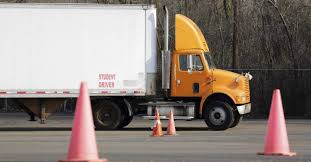
Whether you own a small training center or manage a large commercial fleet, choosing the right insurance is not optional — it’s essential.
What Is Insurance For Truck Driving Schools and Why Is It So Important?
Insurance For Truck Driving Schools is a specialized form of coverage designed to protect driving schools that train students to operate commercial vehicles such as semi-trucks, box trucks, and tractor-trailers.
Unlike regular auto insurance, this policy is built around the unique risks involved in teaching inexperienced drivers how to operate large commercial vehicles on real roads.
Read too: Top Trucking Companies That Still Have Manual Transmissions
Here’s why it’s critical:
- Student drivers are more likely to cause accidents
- Trucks are expensive to repair or replace
- Injury claims can be extremely high
- Legal defense for lawsuits is costly
In fact, according to the National Highway Traffic Safety Administration (NHTSA), large truck accidents cause over 4,500 fatalities annually in the U.S. This statistic alone shows how much risk is involved in commercial truck operation.
If an uninsured accident occurs, your school could be forced to shut down permanently from the financial impact.
What Types of Insurance Do Truck Driving Schools Need?
Every state may have slightly different requirements, but most truck driving schools need multiple insurance policies to be fully protected.
1. Commercial Auto Insurance
This covers company-owned training trucks in case of:
- Accident damage
- Theft
- Vandalism
- Fire
- Natural disasters
Recommended coverage limit:
At least $1 million – $2 million per incident because commercial vehicles cause higher damage.
2. General Liability Insurance
This protects your school if someone gets hurt or property is damaged on your premises.
Covers:
- Slip and fall injuries
- Waiting room incidents
- Property damage
- Legal defense expenses
Typical coverage range: $1M – $3M
3. Professional Liability (Errors & Omissions)
This is essential for driving instructors. It protects you from claims that a student was trained incorrectly.
Examples include:
- Student causes an accident after training
- Student claims inadequate instruction
- School made a procedural error
This is one of the most important forms of insurance you can get.
4. Workers’ Compensation
If you have employees, this is legally required in most U.S. states.
It covers:
- Instructor injuries while working
- Medical benefits
- Lost wages
5. Cyber Liability Insurance (Optional but Strongly Recommended)
If your school stores student data online, cyber insurance protects you from:
- Data breaches
- Ransomware attacks
- Identity theft claims
This has become increasingly important as schools move to digital registrations.
How Much Does Insurance For Truck Driving Schools Cost?
Insurance prices vary based on many factors:
| Factor | Why It Matters |
|---|---|
| Number of trucks | More vehicles = higher cost |
| Location | High-traffic areas cost more |
| Student volume | More drivers = higher risk |
| Type of trucks | Heavier trucks cost more |
| Accident history | Prior claims increase premiums |
Average Price Range:
- Small school (1–2 trucks): $6,000 – $12,000/year
- Medium school (3–5 trucks): $15,000 – $30,000/year
- Large school (6+ trucks): $40,000+ per year
While this may seem expensive, it’s far less expensive than paying for a lawsuit or total-loss accident.
How To Choose the Best Insurance Provider (Step-by-Step)
Follow this proven checklist to choose the best possible insurance:
✅ Step 1: Use Specialized Providers
Choose companies that specialize in commercial auto and educational institutions.
✅ Step 2: Compare at Least 3 Quotes
Never accept the first offer. Compare:
- Monthly cost
- Deductibles
- Coverage limits
- Exclusions
✅ Step 3: Verify Certificate of Insurance
Confirm they can issue a Certificate of Insurance (COI) for:
- DMV requirements
- Landlord
- Government contracts
✅ Step 4: Ask About Discounts
You can save if you have:
- Dashcams installed
- Experienced instructors
- Safety training programs
- GPS vehicle tracking
These features lower risk and reduce premiums.
Pros vs Cons of Specialized Truck Driving School Insurance
✅ Pros
- Full legal compliance
- Coverage tailored for instructors
- Better claims support
- Peace of mind
- Protects assets
❌ Cons
- Higher cost than normal auto insurance
- Stricter underwriting
- Requires detailed records
Despite the cost, the benefits significantly outweigh the risks.
Real Case Study: Why Proper Insurance Matters
In Texas (2022), a CDL training school allowed a student to drive during a highway practice session. The student lost control, colliding with two vehicles. Medical claims exceeded $1.3 million.
Because the school had proper Insurance For Truck Driving Schools, its insurer paid:
- Medical bills
- Legal representation
- Vehicle damage
Without it, the business would have gone bankrupt immediately.
Reducing Risk to Lower Your Insurance Cost
Insurance companies reward good safety practices. Here’s how to reduce your premiums:
- Install dash cameras in each truck
- Use dual-brake control in passenger side
- Limit student road practice only at low-traffic hours
- Require minimum 10 hours simulator training before road use
- Use GPS monitoring with real-time speed alerts
These steps lower accidents and increase insurability.
Is Insurance Required By Law For Truck Driving Schools?
Yes — in almost every U.S. state:
- Commercial vehicle insurance is required
- Liability insurance is mandatory
- Workers comp is also mandatory
You can read more on the general legal concept of insurance on Wikipedia here:
👉 https://en.wikipedia.org/wiki/Insurance
Without it, your school will not receive a license or may be shut down by state authorities.
People Also Ask: Insurance For Truck Driving Schools
What is the minimum insurance for a CDL school?
Most states require:
- $1 million in liability
- Commercial auto coverage
- Workers comp for employees
However, experts recommend $2 million+ for better protection.
Does student driving increase insurance rates?
Yes. Because students are inexperienced, they represent a higher accident risk, which raises premiums by 20%–40% compared to standard fleets.
Can students be covered under my policy?
Yes. As long as they are actively enrolled and operating under a certified instructor, they are covered by the school’s auto and liability policies.
What happens if I operate without insurance?
Serious consequences include:
- Heavy fines
- License revocation
- Civil lawsuits
- Criminal liability in some states
This can permanently destroy your business.
Is online-only truck driving training insurable?
Yes, but you still need general liability and cyber insurance because you collect private data and offer professional instruction.
How long does approval take?
Normally 3–10 business days depending on documentation and inspection requirements.
Final Thoughts: Secure Your Truck Driving School Today
Having the right Insurance For Truck Driving Schools is not just a legal requirement — it’s your strongest defense against financial disaster. One serious accident can end years of hard work overnight without proper coverage.
The right insurance plan:
- Protects your vehicles
- Safeguards your students
- Shields you from lawsuits
- Builds trust with your clients
If this guide helped you, please share it on social media so other driving school owners can protect their business and students too.
Your success and safety matter.
Leave a Reply