
Buying a used semi can feel risky—especially if you’re unsure about maintenance history, mileage, or hidden wear. Knight Transportation Used Truck Sales attracts buyers because these trucks come from a large, professionally maintained fleet.
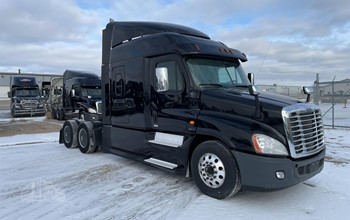
This guide shows you what to expect, how to inspect, and how to buy smart so you get a dependable tractor without surprises.
Who Is Knight Transportation and Why Their Trucks Matter
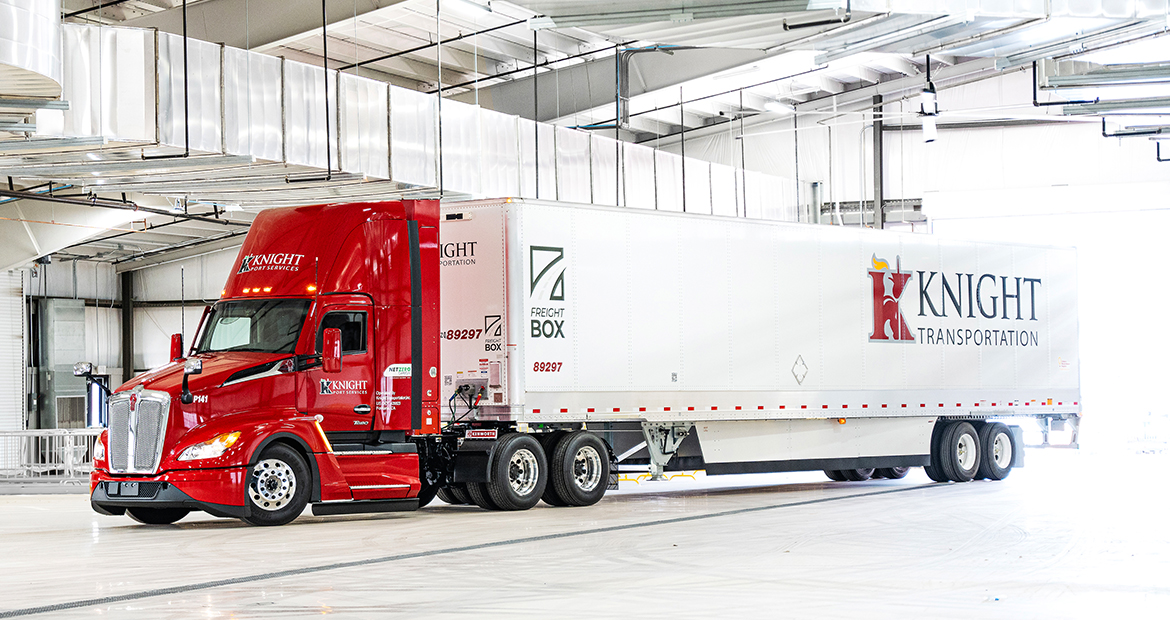


Knight Transportation is one of the largest truckload carriers in the United States and part of Knight-Swift Transportation Holdings. Their tractors follow strict service schedules because downtime costs money in a national fleet.
For buyers, that usually means:
- Documented maintenance intervals
- Standardized specs across trucks
- Predictable wear patterns
- Professional shop servicing, not DIY repairs
Read too: Franklin Truck Parts Near Me: Your Complete Guide to Local Truck Parts & Repair Solutions
General background on heavy trucks:
https://en.wikipedia.org/wiki/Semi-trailer_truck
Why Owner-Operators Look for Fleet-Maintained Trucks
Fleet trucks often receive better preventive care than privately owned units because:
| Fleet Practice | Benefit to Buyer |
|---|---|
| Scheduled oil analysis | Early engine issue detection |
| DOT inspections | Safer braking and suspension |
| In-house mechanics | Consistent service quality |
| Standard parts | Easier replacements later |
This reduces the chance of hidden neglect.
What Types of Trucks Are Typically Sold

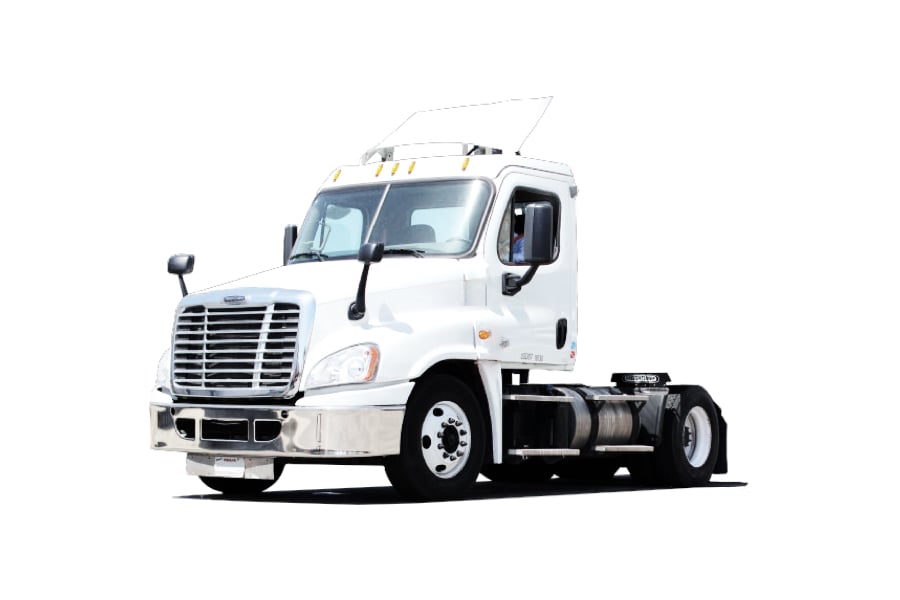
4
Most listings include:
- Sleeper cabs (high-roof)
- Day cabs
- Automatic transmissions
- Fleet-standard white paint
- Aerodynamic fairings for fuel efficiency
Common specs include Cummins or Detroit engines paired with automated manuals.
Typical Mileage and What It Means
Fleet tractors are often sold between 350,000 and 550,000 miles.
For modern diesel engines, this is considered mid-life, not end-of-life—if maintenance was consistent.
What Matters More Than Mileage
- Idle hours
- Service records
- Oil sample history
- Transmission performance
Step-by-Step Inspection Checklist Before Buying
Step 1 — Review Maintenance Records
Ask for:
- Oil change intervals (usually 25,000–35,000 miles)
- Major repairs performed
- Recall work completed
Step 2 — Engine Inspection
- Check for blow-by
- Listen for injector knock
- Inspect coolant color (no oil contamination)
Step 3 — Transmission Test Drive
- Smooth automated shifts
- No hesitation under load
Step 4 — Suspension and Frame
- Look for uneven tire wear
- Inspect airbags and bushings
- Check for frame rust
Step 5 — Interior Electronics
- Dashboard warning lights
- HVAC function
- Sleeper electronics
Pros vs Cons of Buying from Fleet Sales
| Pros | Cons |
|---|---|
| Documented maintenance | High mileage |
| Uniform specifications | Basic interior options |
| Lower purchase price | Cosmetic wear |
| Predictable history | Limited customization |
Pricing Expectations
Prices vary by year and mileage, but fleet units are often priced below dealership retail because they are sold in volume.
| Truck Age | Typical Price Range |
|---|---|
| 3–4 years | $45,000–$65,000 |
| 5–6 years | $30,000–$45,000 |
| 7+ years | $18,000–$30,000 |
Who Should Buy These Trucks?
Ideal buyers:
- New owner-operators
- Small fleet startups
- Drivers wanting reliable first truck
- Buyers prioritizing maintenance history over cosmetics
Common Mistakes Buyers Make
- Judging by paint condition instead of engine condition
- Ignoring idle hours
- Skipping ECM scan
- Not checking service paperwork
How to Finance a Used Fleet Truck
Many lenders prefer fleet trucks because:
- VIN history is traceable
- Maintenance is documented
- Lower risk compared to auction trucks
Expect 10–20% down depending on credit.
Real-World Example
A 5-year-old sleeper with 480,000 miles but full service history often outperforms a 3-year-old truck with unknown maintenance from a private seller.
History beats appearance.
FAQ — Knight Transportation Used Truck Sales
Q1: Are these trucks worn out?
No. Most are mid-life with strong engines.
Q2: Can I see maintenance records?
Yes, typically available upon request.
Q3: Are these trucks good for long-haul?
Yes. They were built and maintained for it.
Q4: Why are they white?
Fleet standardization for cost and branding.
Q5: Is buying from fleet better than auction?
Yes. You know the truck’s history.
Conclusion
Knight Transportation Used Truck Sales offers a rare advantage in the used market: predictable history and professional maintenance. If you inspect correctly and focus on mechanical condition over cosmetics, you can secure a dependable tractor at a strong value.
If this guide helped you plan your purchase, share it on social media to help other drivers buy smarter and safer.
Leave a Reply