
Many business owners rely on pickup trucks for daily operations, from construction and landscaping to delivery services. However, purchasing a truck outright can require significant upfront capital. That’s why many entrepreneurs explore Leasing A Pickup Truck For Business as a flexible and cost-effective alternative.
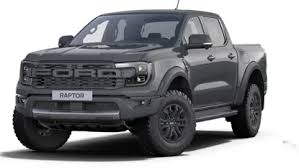
Leasing allows businesses to access reliable vehicles with lower upfront costs and predictable monthly payments. In this guide, we’ll explain how pickup truck leasing works, its advantages and disadvantages, and how businesses can choose the best lease option.
Read too: Franklin Truck Parts Near Me: Your Complete Guide to Local Truck Parts & Repair Solutions
Leasing A Pickup Truck For Business: How It Works
Understanding Leasing A Pickup Truck For Business starts with the basic concept of vehicle leasing.
Instead of purchasing a truck, a business pays monthly payments to use the vehicle for a fixed period—typically 24 to 48 months. At the end of the lease term, the business may:
- Return the truck
- Purchase the truck
- Lease a newer model
Leasing is commonly used by businesses that want to avoid large upfront purchases while maintaining access to modern vehicles.
For general information about pickup trucks and their role in transportation, see:
https://en.wikipedia.org/wiki/Pickup_truck
Why Businesses Use Pickup Trucks
Pickup trucks are among the most versatile vehicles for business use.
Common Industries Using Pickup Trucks
Many industries depend on pickup trucks, including:
- Construction companies
- Landscaping businesses
- Plumbing services
- Electrical contractors
- Delivery companies
These vehicles are popular because they combine cargo capacity, towing ability, and everyday practicality.
Key Advantages of Pickup Trucks
Pros
- Strong towing capacity
- Durable design for heavy work
- Large cargo beds
- Suitable for off-road conditions
Because of these advantages, pickup trucks are widely used across multiple industries.
Leasing vs Buying a Pickup Truck for Business
Before leasing a truck, business owners should compare leasing with purchasing.
Comparison Table
| Feature | Leasing | Buying |
|---|---|---|
| Upfront cost | Low | High |
| Monthly payment | Lower | Higher |
| Ownership | No (unless buyout) | Yes |
| Maintenance | Often covered under warranty | Owner responsibility |
| Vehicle upgrades | Easy to upgrade | Must sell or trade |
Leasing is often preferred by businesses that want predictable costs and frequent vehicle upgrades.
Advantages of Leasing A Pickup Truck For Business
Leasing offers several benefits that make it attractive for business owners.
1. Lower Upfront Costs
Purchasing a pickup truck can cost $35,000 to $80,000 depending on the model.
Leasing typically requires:
- Lower down payment
- Smaller initial fees
This helps businesses preserve working capital.
2. Predictable Monthly Payments
Lease payments are often lower than loan payments.
Typical monthly payments range from:
$350 to $800 per month, depending on the truck model and lease terms.
Predictable payments make budgeting easier.
3. Access to Newer Trucks
Businesses that lease trucks can upgrade vehicles every few years.
Benefits include:
- Improved fuel efficiency
- New safety technology
- Reduced maintenance issues
Newer vehicles often help maintain professional appearance for business clients.
4. Potential Tax Benefits
Many businesses can deduct lease payments as operating expenses.
Possible Tax Advantages
Businesses may deduct:
- Monthly lease payments
- Fuel costs
- Maintenance expenses
However, tax rules vary by location, so consulting a tax professional is recommended.
Disadvantages of Leasing a Pickup Truck
While leasing has benefits, it also comes with limitations.
1. Mileage Limits
Most lease agreements include mileage restrictions.
Typical limits include:
| Lease Term | Mileage Limit |
|---|---|
| 24 months | 24,000 – 30,000 miles |
| 36 months | 36,000 – 45,000 miles |
Exceeding the limit may result in additional fees.
2. No Ownership
At the end of the lease, the business usually does not own the vehicle unless a buyout option is exercised.
For some companies, ownership is more desirable long term.
3. Wear and Tear Restrictions
Lease agreements may include fees for excessive vehicle damage.
Businesses using trucks in rough environments should consider this carefully.
Popular Pickup Trucks for Business Leasing
Several pickup truck models are popular for commercial use.
Common Work Truck Options
| Model | Typical Price Range |
|---|---|
| Ford F-150 | $35,000 – $75,000 |
| Chevrolet Silverado | $35,000 – $70,000 |
| RAM 1500 | $34,000 – $72,000 |
| Toyota Tundra | $38,000 – $75,000 |
These trucks offer strong reliability and towing capabilities.
Step-by-Step: How to Lease a Pickup Truck for Business
If you’re considering leasing a pickup truck for business, follow these steps.
Step 1: Evaluate Your Business Needs
Determine how the truck will be used.
Consider:
- Towing requirements
- Cargo capacity
- Daily mileage
Choosing the right truck prevents operational issues later.
Step 2: Set Your Budget
Calculate your total monthly vehicle expenses.
Example estimate:
| Expense | Monthly Cost |
|---|---|
| Lease payment | $500 |
| Insurance | $200 |
| Fuel | $400 |
| Maintenance | $150 |
Planning ahead ensures the vehicle fits your business budget.
Step 3: Compare Lease Offers
Different dealerships offer different lease terms.
Compare:
- Monthly payment
- Mileage limits
- Lease duration
- Down payment requirements
Shopping around helps secure better terms.
Step 4: Review Lease Terms Carefully
Before signing, review the contract carefully.
Key details include:
- Early termination fees
- Wear-and-tear policies
- Buyout price
Understanding these terms prevents future surprises.
Step 5: Finalize the Lease Agreement
Once you select a truck and lease plan, complete the paperwork and begin using the vehicle for your business operations.
Real Example: Leasing a Pickup Truck for a Small Business
Consider a landscaping company leasing a pickup truck.
Example Lease Scenario
| Item | Cost |
|---|---|
| Truck model | Ford F-150 |
| Down payment | $2,000 |
| Lease term | 36 months |
| Monthly payment | $520 |
This allows the business to operate a reliable vehicle without committing to full ownership.
Tips for Getting Approved for a Truck Lease
Leasing approval depends on several factors.
Improve Your Credit Score
Higher credit scores typically result in better lease terms.
Provide Business Documentation
Leasing companies may request:
- Business registration
- Financial statements
- Proof of income
Choose the Right Lease Term
Shorter leases may offer better flexibility.
However, longer leases may reduce monthly payments.
Common Mistakes Businesses Make When Leasing Trucks
Avoid these mistakes when leasing a pickup truck.
Ignoring Mileage Limits
Exceeding mileage limits can lead to costly penalties.
Choosing the Wrong Truck Size
Underpowered trucks may struggle with heavy loads.
Not Comparing Lease Offers
Different dealerships offer different pricing structures.
FAQ: Leasing A Pickup Truck For Business
Is leasing a pickup truck good for businesses?
Yes. Leasing allows businesses to access reliable trucks with lower upfront costs and predictable monthly payments.
Can lease payments be tax deductible?
Many businesses can deduct lease payments as operating expenses, but tax regulations vary.
How long are pickup truck leases?
Most leases range from 24 to 48 months.
What happens at the end of a truck lease?
Businesses can return the truck, purchase it, or lease a new vehicle.
Do leased trucks have mileage limits?
Yes. Lease agreements usually include annual mileage limits.
Is leasing cheaper than buying a pickup truck?
Leasing often has lower monthly payments, but buying may be cheaper long term if you keep the truck for many years.
Conclusion
Understanding Leasing A Pickup Truck For Business helps entrepreneurs make informed decisions about acquiring commercial vehicles. Leasing offers several benefits, including lower upfront costs, predictable payments, and access to modern trucks with the latest features.
However, businesses must also consider mileage limits, lease terms, and long-term ownership goals before choosing a lease agreement.
By evaluating your business needs and comparing lease options carefully, you can find a pickup truck solution that supports your company’s growth and daily operations.
If you found this guide helpful, consider sharing it on social media to help other business owners learn about pickup truck leasing options. 🚚
Leave a Reply