
Overloaded trucks don’t just risk fines—they increase fuel costs, wear out components faster, and compromise safety. That’s why many fleet operators and owner-operators ask about On-Board Truck Scales For Air Suspension as a real-time solution for weight management. This guide explains how these systems work, why they matter, and how to choose the right one for your truck.
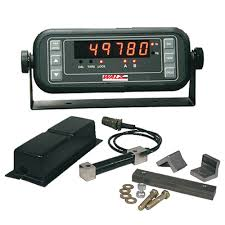
What Are On-Board Truck Scales For Air Suspension?
On-Board Truck Scales For Air Suspension are real-time weighing systems that calculate vehicle load by measuring air pressure inside the suspension airbags.
Read too: Franklin Truck Parts Near Me: Your Complete Guide to Local Truck Parts & Repair Solutions
In simple terms:
- More load = higher air pressure
- Sensors read that pressure
- A display converts pressure into weight
Unlike static weigh stations, onboard scales let drivers monitor load instantly—without leaving the cab.
How Do Air Suspension Truck Scales Work?
Air suspension systems automatically adjust pressure to keep the truck level. On-board scales take advantage of this behavior.
Basic Operation Flow
- Load is added to the truck
- Airbags compress and pressure increases
- Pressure sensors capture data
- Control module converts pressure to weight
- Weight is shown on an in-cab display
This principle aligns with how pneumatic systems respond to force, as explained on
👉 https://en.wikipedia.org/wiki/Air_suspension
Because pressure correlates directly with axle load, air suspension trucks are ideal for onboard weighing.
Why Are On-Board Truck Scales Important?
Weight accuracy is not just a convenience—it’s a compliance and safety issue.
Key Benefits
- Avoid overweight fines
- Reduce roadside inspection delays
- Protect suspension and tires
- Improve fuel efficiency
- Increase driver confidence
According to US trucking industry data, overweight violations can cost $150–$5,000+ per incident, depending on severity and state regulations.
Who Should Use On-Board Truck Scales?
On-board truck scales are widely used across multiple industries.
Ideal Users
- Owner-operators
- Freight haulers
- Dump truck drivers
- Construction fleets
- Agriculture transport
- Waste management trucks
Any operation with variable loads benefits from real-time weight visibility.
Types of On-Board Truck Scales
Not all onboard scales are the same. Understanding the differences helps you choose wisely.
1. Air Suspension Pressure-Based Scales
- Use airbag pressure
- Best for trucks with factory air suspension
- Easy installation
2. Load Cell-Based Scales
- Use physical load sensors
- Higher accuracy
- More complex installation
3. Hybrid Systems
- Combine air pressure and load sensors
- Used in heavy-duty or specialized applications
This article focuses on air suspension–based systems, the most common and cost-effective option.
Accuracy: How Accurate Are Air Suspension Truck Scales?
Accuracy depends on calibration, installation, and operating conditions.
Typical Accuracy Range
- ±1% to ±3% of actual load
For example:
- 40,000 lb load
- ±400–1,200 lb variance
While not as precise as certified weigh stations, onboard scales are more than accurate enough for legal compliance and load management.
Factors That Affect Accuracy
Several variables influence readings:
- Uneven ground
- Air leaks
- Temperature changes
- Improper calibration
- Uneven load distribution
Regular calibration dramatically improves consistency.
Step-by-Step: How On-Board Air Suspension Scales Are Calibrated
Calibration is critical for accuracy.
Step 1: Empty the Truck
Ensure no cargo is on board.
Step 2: Park on Level Ground
Surface angle directly affects pressure readings.
Step 3: Set Zero Point
System records baseline air pressure.
Step 4: Load Known Weight
Example: 10,000 lbs of cargo
Step 5: Enter Weight Data
System adjusts pressure-to-weight ratio.
Step 6: Verify
Compare with certified scale for confirmation.
Recalibration is recommended every 3–6 months.
Advantages vs Disadvantages
Advantages
- Real-time weight data
- Saves time at weigh stations
- Reduces fines and penalties
- Improves safety and efficiency
- Easy driver access
Disadvantages
- Slightly less accurate than static scales
- Requires calibration
- Depends on suspension condition
For most fleets, the advantages significantly outweigh the drawbacks.
On-Board Truck Scales vs Weigh Stations
| Feature | On-Board Scales | Weigh Stations |
|---|---|---|
| Real-time data | Yes | No |
| Convenience | Very high | Low |
| Accuracy | High | Very high |
| Time required | Seconds | Minutes |
| Cost per use | None | Potential delays |
Onboard scales reduce reliance on weigh stations—but don’t replace them entirely.
Installation: Is It Difficult?
Installation complexity depends on the system, but most air suspension scales are moderate DIY or quick professional installs.
Typical Installation Includes
- Pressure sensor connection
- Wiring to control module
- In-cab display mounting
- Initial calibration
Average install time: 1–3 hours
Maintenance Requirements
Air suspension scales are relatively low-maintenance.
Best Practices
- Inspect air lines every 6 months
- Check sensor connections
- Recalibrate periodically
- Address air leaks immediately
Proper maintenance can extend system life to 10+ years.
Cost Breakdown
| Item | Average US Cost |
|---|---|
| Air suspension scale kit | $400–$1,200 |
| Professional installation | $150–$400 |
| Total initial cost | $550–$1,600 |
| Overweight fine avoided | $500–$5,000+ |
For most operators, the system pays for itself quickly.
Safety and Compliance Benefits
Using onboard scales helps drivers:
- Stay within axle limits
- Balance loads correctly
- Reduce braking distance
- Minimize tire blowouts
From a compliance perspective, this improves DOT inspection outcomes and lowers CSA risk scores.
Common Problems and Solutions
| Issue | Cause | Solution |
|---|---|---|
| Inconsistent readings | Uneven ground | Recheck on level surface |
| Weight seems off | Calibration drift | Recalibrate |
| No display | Wiring issue | Inspect connections |
| Fluctuating values | Air leak | Repair suspension |
Most issues are calibration-related, not system failures.
Are On-Board Truck Scales Legal?
Yes. Onboard scales are legal and widely accepted as a load management tool.
However:
- They do not replace certified scales for legal disputes
- They are used for pre-compliance, not certification
Think of them as preventive tools, not legal proof.
FAQ: On-Board Truck Scales For Air Suspension
How accurate are on-board truck scales for air suspension?
Typically within ±1–3% when properly calibrated and used on level ground.
Do onboard scales work while driving?
Yes, but readings are most accurate when the truck is stationary on level terrain.
Can onboard scales prevent overweight tickets?
Yes. They significantly reduce the risk by giving real-time load visibility.
Do they work in cold or hot weather?
Yes, but extreme temperatures may require more frequent calibration.
Are onboard truck scales hard to install?
Most air suspension systems can be installed in a few hours with basic tools or by a professional.
Conclusion
On-Board Truck Scales For Air Suspension provide real-time insight into vehicle weight, helping drivers avoid fines, protect equipment, and operate more efficiently. While they don’t replace certified scales, they are one of the most practical tools for modern trucking operations.
If this guide helped you, share it on social media or with fellow drivers and fleet managers. Smart weight management saves money, time, and stress—every mile of the road.
Leave a Reply