
Breakdowns rarely happen at a convenient time or place. When a truck or trailer stops working on the road, at a job site, or in a yard, delays can quickly turn into lost revenue. That’s why many fleet owners and drivers rely on On Site Truck And Trailer services to get fast, professional repairs without towing.
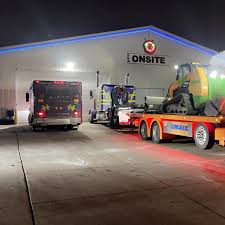
In this guide, you’ll learn exactly how on-site truck and trailer service works, what problems it solves, and how it can save time, money, and stress—especially when every minute matters.
Read too: Top Trucking Companies That Still Have Manual Transmissions
What Is On Site Truck And Trailer Service?
On Site Truck And Trailer service (also called mobile truck and trailer repair) is a professional maintenance and repair solution where certified technicians travel directly to the vehicle’s location. Instead of bringing the truck or trailer to a repair shop, the shop comes to you.
These services typically cover:
- Highway breakdowns
- Fleet yards and distribution centers
- Construction and industrial sites
- Remote or rural locations
On-site service vehicles are equipped with tools, diagnostic equipment, and commonly needed parts to handle most repairs immediately.
Why On Site Truck And Trailer Service Is So Important
Commercial trucks and trailers are the backbone of logistics in the United States. According to transportation industry studies, one hour of unplanned truck downtime can cost between $75 and $150, depending on cargo and contract penalties.
Key reasons fleets choose on-site service:
- Reduced downtime: No waiting for towing or shop queues
- Lower overall costs: Fewer secondary damages
- Improved safety: Repairs performed where the issue occurs
- Operational efficiency: Faster turnaround for drivers
For time-sensitive deliveries, on-site service can be the difference between meeting or missing deadlines.
When Should You Call an On Site Truck And Trailer Service?
You should consider calling on-site service when you experience:
- Engine won’t start
- Air brake issues
- Flat or damaged tires
- Electrical or lighting failures
- Trailer ABS warning lights
- Refrigerated trailer malfunctions
⚠️ Continuing to drive with these issues may violate DOT regulations and increase accident risk.
Is On Site Truck And Trailer Service Safe and Reliable?
Yes—when provided by qualified technicians. Reputable on-site services follow strict safety standards, including:
- Wheel chocking and vehicle stabilization
- DOT-compliant inspection procedures
- Manufacturer torque and pressure specifications
- Proper lockout and tag-out practices
Industry experts emphasize that most roadside mechanical failures worsen due to delayed repairs, making quick on-site intervention a safer option.
How On Site Truck And Trailer Service Works (Step-by-Step)
Step 1: Service Request
You call or submit an online request with:
- Vehicle type (truck, trailer, reefer, etc.)
- Location (GPS preferred)
- Description of the issue
Step 2: Technician Dispatch
A mobile technician is dispatched, often within 30–120 minutes, depending on location and traffic.
Step 3: On-Site Diagnosis
The technician performs:
- Visual inspection
- Diagnostic scans (if needed)
- Safety assessment
Step 4: Repair or Temporary Fix
Depending on the issue:
- Full repair is completed on-site
- Temporary road-safe repair is made to reach a shop
Step 5: Final Inspection and Documentation
Before leaving, the technician:
- Tests the repair
- Confirms DOT compliance
- Provides service documentation
Average service time: 45 minutes to 2 hours.
Common Repairs Handled On Site
| Repair Type | On-Site Capability |
|---|---|
| Tire repair/replacement | Yes |
| Brake chamber replacement | Yes |
| Air line repair | Yes |
| Battery replacement | Yes |
| Electrical wiring | Yes |
| Suspension components | Limited |
| Major engine rebuilds | No |
💡 Most routine and emergency repairs can be completed without towing.
On Site Truck And Trailer vs Traditional Repair Shop
| Feature | On-Site Service | Repair Shop |
|---|---|---|
| Convenience | High | Low |
| Downtime | Minimal | Extended |
| Emergency-ready | Yes | No |
| Cost predictability | Medium | Medium |
| Complex repairs | Limited | Full |
For emergencies and routine maintenance, on-site service often provides the best balance of speed and cost.
Kelebihan vs Kekurangan: On Site Truck And Trailer Service
Pros
- Saves time and towing costs
- Ideal for emergencies
- Reduces cargo delays
- Keeps drivers productive
Cons
- Slightly higher labor rates
- Limited heavy repair capability
- Weather conditions may affect service
How Much Does On Site Truck And Trailer Service Cost?
Pricing varies by region and repair type, but typical US ranges include:
| Service Type | Estimated Cost |
|---|---|
| Service call | $100–$200 |
| Tire repair | $150–$300 |
| Brake repair | $250–$600 |
| Electrical repair | $150–$400 |
| After-hours service | +$50–$150 |
While on-site service may seem more expensive per hour, fleets often save money by avoiding towing and extended downtime.
Who Uses On Site Truck And Trailer Services Most?
- Owner-operators
- Long-haul trucking companies
- Construction fleets
- Logistics and distribution centers
- Refrigerated transport operators
Fleet managers report that mobile maintenance programs can reduce breakdown-related delays by up to 30% annually.
Preventive Maintenance with On Site Truck And Trailer
On-site services aren’t just for emergencies. Many fleets schedule preventive maintenance, including:
- Tire pressure checks
- Brake inspections
- Lighting and wiring checks
- Fluid top-offs
Preventive on-site maintenance helps catch small issues before they become expensive failures.
How to Choose a Reliable On Site Truck And Trailer Provider
Look for providers that offer:
- 24/7 availability
- Certified diesel technicians
- DOT inspection knowledge
- Transparent pricing
- Fleet service agreements
A trustworthy provider will explain the problem clearly and recommend only necessary repairs.
Regulatory and Industry Context
Commercial trucks and trailers must comply with strict safety standards due to their size and road impact. For general background on trucks, trailers, and their role in transportation, you can reference Wikipedia.org (Truck).
Real-World Scenario: Cost Savings with On Site Service
A regional delivery fleet operating 40 trucks reported:
- 22 roadside incidents in one year
- Average towing cost per incident: $650
- Average downtime per incident: 6 hours
After switching to on-site truck and trailer service:
- Towing incidents dropped by 70%
- Average downtime reduced to 2 hours
- Annual savings exceeded $18,000
This highlights how on-site service directly improves profitability.
FAQ: On Site Truck And Trailer Service
Q1: What does on site truck and trailer service include?
It typically includes tire, brake, air system, electrical, and minor mechanical repairs performed at your location.
Q2: Is on-site service available 24/7?
Most providers offer 24/7 emergency service, especially near highways and industrial zones.
Q3: Can on-site technicians handle DOT inspections?
Yes. Many providers perform DOT inspections and correct minor violations on the spot.
Q4: Is on-site service more expensive than a repair shop?
Hourly rates may be higher, but overall costs are often lower due to reduced downtime and towing.
Q5: Can trailers be repaired without the truck attached?
Yes. On-site services commonly handle standalone trailer repairs at yards or docks.
Q6: What repairs cannot be done on site?
Major engine rebuilds, frame repairs, and transmission overhauls usually require a full-service shop.
Conclusion
On Site Truck And Trailer service is a smart, efficient solution for keeping commercial vehicles moving. By bringing professional repairs directly to the truck or trailer, it minimizes downtime, improves safety, and protects your bottom line.
If this guide helped you understand the value of on-site service, share it on social media with other drivers, fleet managers, or business owners—because faster repairs help everyone stay on schedule.
Leave a Reply