
When a semi truck becomes hard to steer or makes whining noises, the problem often traces back to the Power Steering Fluid For Semi Truck. This fluid plays a critical role in ensuring smooth steering, especially under heavy loads and long-haul conditions. Understanding how it works—and how to choose the right one—can save you from costly downtime and repairs.
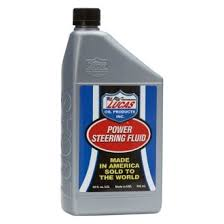
What Is Power Steering Fluid for a Semi Truck?
Power steering fluid is a hydraulic fluid designed to transmit pressure within the steering system. In semi trucks, this system operates under much higher loads and temperatures than passenger vehicles.
Read too: Top Trucking Companies That Still Have Manual Transmissions
Unlike standard cars, semi trucks rely on heavy-duty power steering systems that must handle:
- Thousands of pounds of front axle weight
- Continuous steering input over long distances
- Extreme temperature variations
This is why Power Steering Fluid For Semi Truck is specially formulated with:
- High viscosity stability
- Anti-wear additives
- Oxidation and corrosion inhibitors
For a general technical definition of power steering systems, you can refer to Wikipedia.
Why Choosing the Right Power Steering Fluid Matters
Using the wrong fluid is one of the most common causes of premature steering failure in semi trucks.
Key Risks of Incorrect Fluid
- Pump wear and seal damage
- Increased steering effort
- Overheating and fluid breakdown
- Costly repairs or full system replacement
According to fleet maintenance studies, steering-related failures account for a significant percentage of unscheduled downtime in heavy-duty trucks—often preventable with proper fluid selection and maintenance.
How Does Power Steering Fluid Work in Semi Trucks?
Power steering fluid transfers force from the steering wheel to the steering gear using hydraulic pressure.
Step-by-Step Process
- Steering wheel is turned by the driver
- Power steering pump pressurizes the fluid
- Fluid flows through high-pressure hoses
- Pressure assists movement of the steering gear
- Wheels turn smoothly with minimal driver effort
Because semi trucks operate continuously for hours, the fluid must maintain consistent viscosity between -20°F and 250°F.
Types of Power Steering Fluid for Semi Trucks
Not all power steering fluids are the same. Below are the most common types used in heavy-duty trucks.
1. Conventional Power Steering Fluid
- Mineral oil-based
- Affordable and widely available
- Suitable for older truck models
Pros: Low cost, easy availability
Cons: Shorter service life, less heat resistance
2. Synthetic Power Steering Fluid
- Engineered for extreme conditions
- Superior oxidation resistance
- Better cold-start performance
Pros: Longer lifespan, better protection
Cons: Higher upfront cost
3. Automatic Transmission Fluid (ATF)
Some manufacturers allow ATF as power steering fluid.
Important:
Always follow the OEM recommendation. Using ATF without approval can damage seals and pumps.
Recommended Power Steering Fluid Specifications
Before buying, always check your truck’s owner manual. Most semi trucks require fluids that meet specific standards.
| Specification | Why It Matters |
|---|---|
| High Viscosity Index | Stable performance in hot & cold |
| Anti-Foam Additives | Prevents steering noise |
| Oxidation Resistance | Longer fluid life |
| Seal Compatibility | Prevents leaks |
Tip: Mixing different fluid types is strongly discouraged.
How Often Should You Change Power Steering Fluid?
Many drivers overlook this, but power steering fluid does not last forever.
General Replacement Guidelines
- Every 100,000–150,000 miles, or
- Every 2–3 years, whichever comes first
Signs Fluid Needs Replacement
- Dark or burnt-smelling fluid
- Whining noise when turning
- Stiff or jerky steering
Preventive fluid changes can reduce steering system failures by up to 40%, according to fleet maintenance reports.
Step-by-Step: How to Check Power Steering Fluid in a Semi Truck
Checking your Power Steering Fluid For Semi Truck is simple and takes less than 10 minutes.
Tools Needed
- Clean rag
- Manufacturer-approved fluid
Steps
- Park the truck on level ground
- Turn off the engine and let it cool (10–15 minutes)
- Locate the power steering reservoir
- Remove the cap and wipe the dipstick
- Reinsert, remove, and check fluid level
- Top off if below recommended mark
Do not overfill, as excess fluid can cause foaming and pressure issues.
Common Mistakes to Avoid
Even experienced drivers make these mistakes:
- ❌ Using car power steering fluid
- ❌ Mixing synthetic and conventional fluids
- ❌ Ignoring small leaks
- ❌ Skipping fluid change intervals
Each of these can shorten the lifespan of your steering pump significantly.
Power Steering Fluid: Advantages vs Disadvantages
Advantages
- ✔ Reduces steering effort
- ✔ Protects internal components
- ✔ Improves driving safety
- ✔ Extends system lifespan
Disadvantages
- ✖ Requires regular inspection
- ✖ Wrong fluid can cause damage
- ✖ Higher cost for premium synthetic options
How Power Steering Fluid Impacts Safety
A failing steering system is a serious safety risk, especially at highway speeds.
Proper Power Steering Fluid For Semi Truck helps:
- Maintain precise steering control
- Reduce driver fatigue
- Improve emergency maneuverability
Fleet safety managers consistently rank steering maintenance among the top five safety priorities for heavy-duty vehicles.
Environmental Considerations and Disposal
Used power steering fluid should never be dumped.
Proper Disposal
- Collect fluid in sealed containers
- Take it to certified recycling centers
- Follow local environmental regulations
Responsible disposal protects groundwater and reduces environmental harm.
FAQ: Power Steering Fluid for Semi Truck
Q1: Can I use car power steering fluid in a semi truck?
A: No. Car fluids are not designed for heavy loads and high pressures of semi trucks.
Q2: Is synthetic power steering fluid worth it?
A: Yes, especially for long-haul and extreme climates. It offers better protection and longer service intervals.
Q3: What happens if power steering fluid runs low?
A: You may experience stiff steering, noise, overheating, and eventual pump failure.
Q4: Can I mix ATF with power steering fluid?
A: Only if the manufacturer explicitly allows it. Otherwise, avoid mixing.
Q5: How much power steering fluid does a semi truck need?
A: Most systems require 2–4 gallons, depending on truck model and steering system design.
Conclusion
Choosing the right Power Steering Fluid For Semi Truck is not just about smoother steering—it’s about safety, reliability, and long-term cost savings. By using manufacturer-approved fluid, checking levels regularly, and replacing it on schedule, you protect one of the most critical systems in your truck.
If this guide helped you, share it with fellow drivers or fleet managers so more trucks stay safe and road-ready. 🚛💪
Leave a Reply