
If you manage a trucking business or operate heavy vehicles, you know that accuracy in weighing matters. Overloaded trucks can lead to fines, safety risks, and damaged infrastructure. That’s where Right Weight Scales for Trucks make all the difference — providing precise, reliable readings that keep your operations compliant and efficient.
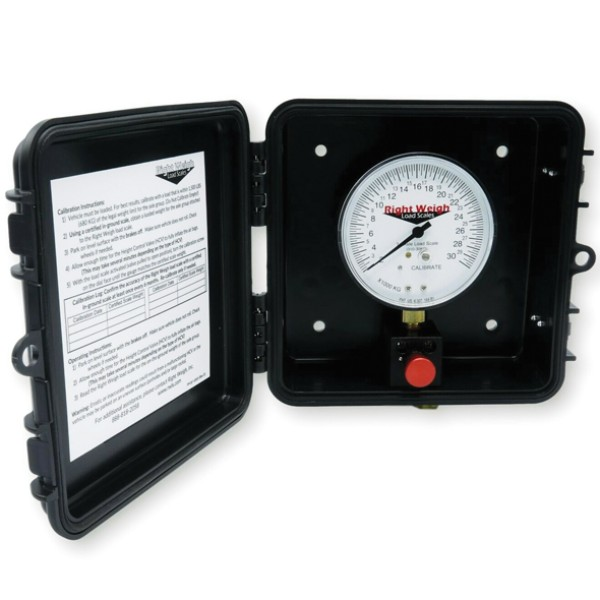
This guide walks you through everything you need to know before investing in the right scale system for your fleet.
Read too: Top Trucking Companies That Still Have Manual Transmissions
What Are Right Weight Scales for Trucks?
Right Weight Scales are specialized devices designed to measure the axle weight and gross vehicle weight of trucks. Unlike traditional static scales, modern truck scales integrate digital sensors and onboard monitoring systems for real-time accuracy.
These scales help ensure compliance with Department of Transportation (DOT) regulations while optimizing load distribution, reducing wear on tires, and improving fuel efficiency.
Why Truck Weight Accuracy Matters
Accurate truck weighing isn’t just about avoiding fines. It directly impacts profit margins, safety, and vehicle longevity.
Key Reasons to Invest in Reliable Truck Scales
- Legal Compliance: Avoid overweight penalties that can cost $500 to $10,000 per incident.
- Safety: Prevent brake failures and tire blowouts caused by uneven loads.
- Fuel Efficiency: Balanced loads improve mileage by up to 4–6%, according to the Federal Motor Carrier Safety Administration (FMCSA).
- Maintenance Savings: Reduced wear means longer suspension and tire life.
In short, the right truck scales protect both your wallet and your workforce.
Types of Truck Scales and How to Choose
Choosing the right type of truck scale depends on your operation’s size, location, and weighing frequency. Here’s a breakdown:
| Type | Best For | Installation | Accuracy Level |
|---|---|---|---|
| Onboard Scales | Fleets needing real-time data | Integrated into suspension | High |
| Portable Axle Scales | Field or remote weighing | Quick setup | Medium-High |
| Weighbridge Scales | Fixed-site logistics hubs | Permanent | Very High |
| Load Cell Scales | Heavy-duty applications | Under-truck installation | Very High |
According to Wikipedia, weighbridges are essential for highway compliance and logistics optimization.
How to Calibrate Your Right Weight Truck Scale (Step-by-Step)
Accurate calibration ensures consistent readings and compliance. Follow these steps at least once every quarter:
- Zero the Scale: Start with an empty truck and set the scale to zero.
- Add a Known Load: Use a certified test weight for calibration reference.
- Compare Readings: Verify that displayed weight matches the certified load.
- Adjust Settings: Use the manufacturer’s interface to fine-tune calibration.
- Record Calibration Logs: Maintain digital or paper records for audits.
Pro tip: Always perform calibration in similar temperature and ground conditions for best accuracy.
Top Features to Look for in the Right Weight Scales for Trucks
When comparing truck scales, look beyond just price. Here’s what professionals prioritize:
- Digital Load Monitoring: Real-time data via Bluetooth or Wi-Fi.
- Durability: Heavy-duty stainless steel or aluminum housing.
- Ease of Installation: Plug-and-play sensors reduce downtime.
- Data Integration: Connect to fleet management software.
- Warranty & Support: Look for at least a 3-year coverage.
These features ensure long-term ROI and fewer maintenance headaches.
Right Weight Scales vs. Traditional Truck Scales
| Aspect | Right Weight Scales | Traditional Truck Scales |
|---|---|---|
| Data Access | Real-time digital display | Manual readouts |
| Installation | Fast & flexible | Requires foundation |
| Cost | Moderate | Higher setup cost |
| Maintenance | Low | High |
| Accuracy | ±0.1% | ±0.5% |
In most modern fleets, Right Weight Scales win for convenience and long-term savings.
Common Mistakes When Choosing Truck Scales
- Ignoring Weight Capacity Limits — Always choose a scale rated above your maximum axle load.
- Skipping Calibration — Inconsistent calibration causes compliance risks.
- Focusing Only on Price — Cheap scales often lack accuracy and support.
- Neglecting Software Integration — Data compatibility saves time and prevents manual errors.
Environmental and Regulatory Considerations
Truck scale compliance is governed by NIST Handbook 44 standards in the U.S. Regular inspection ensures accuracy and certification validity.
Also, eco-friendly fleets benefit from reduced emissions when loads are optimized — a hidden advantage of precise weight monitoring.
FAQ: Right Weight Scales for Trucks
Q1. How often should I calibrate my truck scale?
Most experts recommend calibrating every 3–6 months, depending on usage frequency and environmental conditions.
Q2. Are portable truck scales accurate enough for commercial use?
Yes — modern portable axle scales offer accuracy within ±0.25%, making them DOT-compliant for most applications.
Q3. Can I install Right Weight Scales myself?
Some onboard systems are DIY-friendly, but weighbridge scales typically require professional installation and certification.
Q4. What’s the lifespan of a Right Weight Scale?
With regular maintenance, a high-quality unit can last 10–15 years or more.
Q5. Do truck scales work in extreme temperatures?
Yes, as long as they are rated for industrial use — typically -20°F to 120°F operating range.
Q6. Is digital data from scales legally accepted?
Absolutely. As long as the scale is certified and calibrated, digital readouts are valid for legal weight checks.
Conclusion
Choosing the Right Weight Scales for Trucks isn’t just a technical decision — it’s a strategic one. From preventing fines to optimizing fuel use and extending vehicle life, accurate weighing translates directly into operational success.
If you found this guide helpful, share it with your team or fellow fleet owners on social media — and help others make smarter, safer trucking decisions.
Leave a Reply