
If you haul corn, soybeans, wheat, or feed, protecting your load isn’t optional—it’s essential. Roll Over Tarps For Grain Trucks help prevent crop loss, reduce liability, and keep you compliant with state transportation laws.
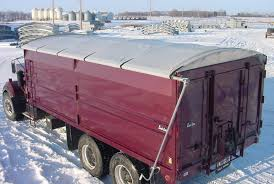
Whether you’re an independent farmer, fleet operator, or seasonal hauler, choosing the right tarp system can save thousands in wasted grain and roadside fines. Let’s break it down in practical terms.
Read too: Franklin Truck Parts Near Me: Your Complete Guide to Local Truck Parts & Repair Solutions
What Are Roll Over Tarps For Grain Trucks?
Roll Over Tarps For Grain Trucks are retractable covering systems mounted on the top rails of grain beds or hopper trailers. They use a crank or electric motor to roll a reinforced tarp across the load.
The purpose is simple:
- Prevent spillage
- Protect grain from rain and debris
- Improve road safety
- Maintain DOT compliance
According to transportation safety data, unsecured loads contribute to thousands of roadway debris incidents annually in the U.S. Proper tarp systems significantly reduce these risks.
To better understand grain transport methods, see the overview of agricultural transport systems on
https://en.wikipedia.org/wiki/Agricultural_transport
Why Do Grain Trucks Need Roll Over Tarps?
Many states require covered loads when hauling agricultural commodities. But compliance is only one reason.
1. Reduce Grain Loss
Even a 1% load loss on a 1,000-bushel haul equals:
- 10 bushels lost
- At $5 per bushel = $50 per trip
Over a 200-trip season:
- $10,000 lost annually
A quality tarp system often pays for itself in one season.
2. Protect Against Weather
Moisture can:
- Increase grain weight artificially
- Cause mold growth
- Lead to rejected loads at elevators
Wet grain may be discounted by 5–15% depending on moisture content.
3. Improve Fuel Efficiency
Covered loads reduce aerodynamic drag slightly. While the improvement is modest (1–3%), it adds up over long hauls.
What Types of Roll Over Tarps Are Available?
Choosing the right system depends on truck type, budget, and usage frequency.
Manual Crank Systems
Best For: Small farms or seasonal haulers
Cost Range: $800–$1,500
Pros:
- Lower upfront cost
- Simple design
- Easy maintenance
Cons:
- Requires climbing or reaching
- Slower operation
Electric Roll Tarp Systems
Best For: Commercial fleets, daily hauling
Cost Range: $1,500–$3,500
Pros:
- Push-button operation
- Faster coverage (under 30 seconds)
- Reduced labor strain
Cons:
- Higher initial cost
- Electrical maintenance required
Comparison Table
| Feature | Manual | Electric |
|---|---|---|
| Cost | Lower | Higher |
| Operation Speed | Moderate | Fast |
| Labor Required | High | Low |
| Maintenance | Minimal | Moderate |
| Ideal For | Small Farms | Fleets |
What Material Is Best for Grain Truck Tarps?
Material durability determines lifespan.
Common Tarp Materials:
1. Vinyl-Coated Polyester
- Heavy-duty
- UV resistant
- 14–18 oz thickness typical
2. Mesh Tarps
- Lightweight
- Breathable
- Best for dry climates
3. Polyethylene
- Budget-friendly
- Less durable
- Shorter lifespan
Most commercial operators prefer 18 oz vinyl for durability. With proper care, it lasts 5–8 years.
How to Install Roll Over Tarps For Grain Trucks (Step-by-Step)
If you’re mechanically inclined, installation is manageable with basic tools.
Tools Needed:
- Drill with 3/8” bit
- Socket wrench set
- Tape measure
- Ladder
- Torque wrench
Step 1: Measure the Bed
Measure:
- Length (front to rear)
- Width (rail to rail)
Example:
- 22 ft length
- 96 inches width
Order tarp system matching those dimensions precisely.
Step 2: Install Side Rails
- Align rails along top bed edge.
- Secure using 3/8” bolts every 12–16 inches.
- Torque bolts to 25–30 ft-lbs.
Step 3: Mount Front and Rear Assemblies
- Attach roll tube at front.
- Install tension bow at rear.
- Ensure even alignment.
Step 4: Attach Tarp Fabric
- Slide tarp into roll tube channel.
- Secure rear tension bar.
- Test roll operation.
Step 5: Test Operation
Open and close 5–10 times.
Check:
- Smooth rolling
- No binding
- Even tension
Installation time:
- Manual: 3–4 hours
- Electric: 4–6 hours
How Long Do Roll Over Tarps Last?
Average lifespan:
- Manual system hardware: 8–12 years
- Electric motors: 5–7 years
- Tarp fabric: 5–8 years
Factors affecting lifespan:
- UV exposure
- Wind stress
- Maintenance frequency
- Climate conditions
Regular inspections every 3 months extend lifespan significantly.
How Do You Maintain Roll Over Tarps?
Preventive maintenance reduces unexpected failures.
Quarterly Checklist:
✔ Inspect for tears
✔ Tighten mounting bolts
✔ Lubricate pivot points
✔ Check motor wiring (electric systems)
✔ Clean tarp using mild soap and water
Avoid pressure washers above 1,500 PSI—they can damage stitching.
Common Problems and Solutions
Problem: Tarp Won’t Roll Smoothly
Cause:
- Misaligned rails
- Debris buildup
Fix:
- Clean rails
- Realign hardware
Problem: Tarp Flapping in Wind
Cause:
- Loose tension
- Worn springs
Fix:
- Adjust tension bar
- Replace spring kit
Problem: Electric Motor Fails
Cause:
- Blown fuse
- Corrosion in wiring
Fix:
- Replace 12V fuse
- Check battery voltage (should read 12.6–13.8V)
Are Roll Over Tarps Required by Law?
Regulations vary by state, but most states require loads to be secured and covered to prevent spillage.
Non-compliance may result in:
- Fines ($100–$1,000+)
- CSA score impact
- Liability claims
Always verify with your state DOT.
Cost Breakdown: Is It Worth It?
Estimated ROI Example:
- System Cost: $2,000
- Grain loss reduction: $8,000/year
- Avoided fines: $1,000/year
Potential annual benefit: $9,000
Return on investment can occur within 3–6 months for frequent haulers.
FAQ: Roll Over Tarps For Grain Trucks
1. How much do Roll Over Tarps For Grain Trucks cost?
Manual systems start around $800. Electric systems range from $1,500 to $3,500 depending on size and features.
2. Can I install a roll tarp system myself?
Yes, if you have moderate mechanical skills. Expect 3–6 hours for installation with proper tools.
3. Are electric tarp systems reliable?
Modern 12V systems are reliable when properly maintained. Most last 5–7 years before motor replacement.
4. What thickness tarp is best for grain hauling?
18 oz vinyl-coated polyester offers the best balance of durability and flexibility.
5. Do tarps improve fuel efficiency?
Yes, slightly. Covered loads may improve aerodynamics by 1–3% depending on truck configuration.
6. How often should tarps be replaced?
Fabric typically lasts 5–8 years depending on climate and usage frequency.
Conclusion
Investing in Roll Over Tarps For Grain Trucks protects your load, reduces financial losses, and keeps you compliant with transportation laws. Whether you choose manual or electric, proper installation and regular maintenance make all the difference.
For farmers and commercial haulers alike, a high-quality tarp system isn’t just an accessory—it’s operational insurance.
If this guide helped you make a smarter hauling decision, share it with fellow farmers or trucking professionals on social media. It might save them thousands this season.
Leave a Reply