
If you’re researching the Semi Truck Kingpin Replacement Cost, chances are your truck is showing signs of steering play, uneven tire wear, or failing a DOT inspection. Kingpins are small components with a big impact on safety and performance.
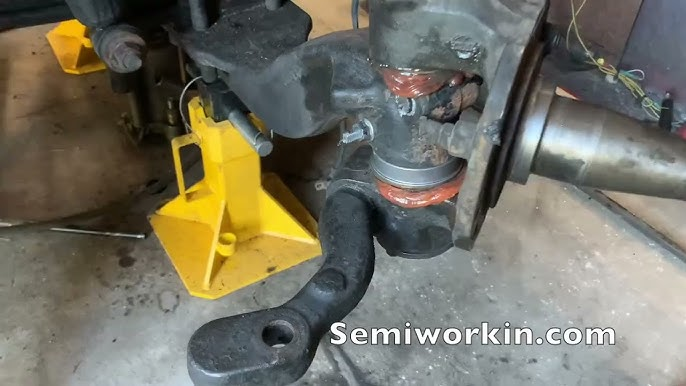
Understanding what replacement really costs—and why—can help you budget properly, avoid downtime, and prevent expensive front-end damage. In this detailed guide, we’ll break down real-world pricing, labor factors, and practical advice for U.S. owner-operators and fleet managers.
Read too: Top Trucking Companies That Still Have Manual Transmissions
What Is the Semi Truck Kingpin Replacement Cost in 2026?
The Semi Truck Kingpin Replacement Cost in the United States typically ranges between:
| Service Type | Average Cost |
|---|---|
| Parts Only | $150 – $400 |
| Labor Only | $800 – $2,000 |
| Full Replacement (Both Sides) | $1,200 – $3,500 |
| Severe Damage / Axle Repair | $3,500 – $6,000+ |
Most heavy-duty trucks require replacing kingpins on both sides of the steer axle. Shops usually recommend replacing them in pairs to maintain balance and steering alignment.
Why Labor Costs So Much
Replacing kingpins is labor-intensive. It requires:
- Removing the wheel assembly
- Pressing out old bushings
- Machining (in some cases)
- Precise reaming of new bushings
- Alignment check
Labor typically takes 8–14 hours, depending on corrosion and truck model.
What Is a Semi Truck Kingpin and Why Does It Matter?
A kingpin connects the steering knuckle to the axle beam. It allows the wheels to pivot smoothly when turning.
For technical reference, you can learn more about the kingpin component here:
https://en.wikipedia.org/wiki/Kingpin_(automotive_part)
In heavy-duty trucks, the kingpin handles:
- Front axle load (12,000–20,000 lbs)
- Steering forces
- Braking stress
Worn kingpins lead to:
- Loose steering
- Uneven tire wear
- Failed DOT inspections
- Increased stopping distance
According to industry repair data, worn kingpins are one of the top 5 causes of front-end violations in roadside inspections.
How Do You Know If Kingpins Need Replacement?
Common Symptoms
- Steering wheel play exceeding 2 inches
- Clunking noises when braking
- Uneven tire wear on steer tires
- Truck pulling to one side
- Failed annual inspection
Professional Inspection Method
- Lift the front axle.
- Use a dial indicator gauge.
- Check vertical and horizontal movement.
- Movement beyond manufacturer tolerance (often 0.030 inches) indicates wear.
A certified diesel technician can confirm wear within 30–60 minutes.
What Factors Affect Semi Truck Kingpin Replacement Cost?
1. Truck Make and Model
Freightliner, Peterbilt, Kenworth, Volvo, and International models vary in design complexity. Some axles require special tools.
2. Corrosion Level
Northern states using road salt often increase labor time by 2–4 hours due to seized components.
3. Shop Labor Rates
| Region | Hourly Rate |
|---|---|
| Midwest | $100–$140 |
| South | $95–$130 |
| West Coast | $130–$180 |
| Northeast | $140–$190 |
4. Additional Repairs
Often discovered during replacement:
- Tie rod wear
- Ball joint damage
- Wheel bearing issues
- Alignment problems
Step-by-Step: How Kingpin Replacement Is Done
This is not typically a DIY repair. It requires specialized equipment.
Step 1: Secure the Truck
- Park on level ground
- Chock rear wheels
- Lift front axle safely
Step 2: Remove Components
- Remove brake assembly
- Remove hub and drum
- Disconnect tie rods
Step 3: Press Out Old Kingpin
- Use hydraulic press (20–50 ton capacity)
- Remove bushings
Step 4: Install New Bushings
- Press bushings in
- Ream to exact tolerance
- Lubricate thoroughly
Step 5: Install New Kingpin
- Insert and secure
- Torque bolts to manufacturer spec (often 150–300 ft-lbs)
Step 6: Alignment Check
- Perform front-end alignment
- Road test vehicle
Improper installation can shorten lifespan by up to 50%.
How Long Do Semi Truck Kingpins Last?
Average lifespan:
- 250,000 – 500,000 miles
Factors that reduce lifespan:
- Poor lubrication
- Heavy city driving
- Overloaded front axle
- Poor road conditions
Regular greasing every 10,000–15,000 miles can significantly extend service life.
Cost Comparison: Preventative Maintenance vs Replacement
| Scenario | Estimated Cost |
|---|---|
| Regular Greasing (Annual) | $150–$300 |
| Minor Adjustment | $400–$700 |
| Full Kingpin Replacement | $1,200–$3,500 |
| Ignored Wear → Tire Damage + Alignment | $4,000–$7,000 |
Preventative maintenance is significantly cheaper.
Should You Replace Kingpins Yourself?
Pros:
- Save $1,000+ in labor
- Full control over parts
Cons:
- Requires heavy press
- Risk of improper reaming
- Possible safety hazard
Unless you operate a full workshop, professional service is recommended.
How to Reduce Semi Truck Kingpin Replacement Cost
- Compare multiple shop estimates.
- Schedule during off-peak seasons.
- Maintain proper lubrication schedule.
- Replace in pairs to avoid uneven wear.
- Inspect annually during DOT preparation.
Fleet operators often negotiate bulk labor discounts.
FAQ – Semi Truck Kingpin Replacement Cost
How much does it cost to replace kingpins on a semi truck?
Most owner-operators pay between $1,200 and $3,500 for both sides, depending on labor rates and condition.
How many labor hours does kingpin replacement take?
Typically 8–14 hours. Severe rust can extend this time.
Can I drive with bad kingpins?
Technically yes, but it is unsafe. It increases tire wear, steering instability, and DOT violation risk.
Do kingpins affect alignment?
Yes. Worn kingpins cause misalignment and uneven tire wear.
How often should kingpins be greased?
Every 10,000–15,000 miles or during scheduled PM service.
What happens if kingpins fail completely?
Loss of steering precision, increased stopping distance, and potential catastrophic front-end damage.
Conclusion
The Semi Truck Kingpin Replacement Cost may seem high at first glance, but delaying repairs can cost far more in tire damage, downtime, and safety risks.
By understanding labor factors, performing regular maintenance, and choosing a reputable repair shop, you can protect your investment and keep your truck roadworthy.
If this guide helped you, consider sharing it with fellow drivers or fleet managers on social media—helping others stay informed keeps everyone safer on the road.
Leave a Reply