
Maintaining your semi truck is crucial for safety and performance, and one of the often-overlooked components is the wheel seal. Understanding the semi truck wheel seal replacement cost can save you from unexpected expenses and downtime. Wheel seals prevent lubricant leaks, protect bearings, and ensure smooth operation of your truck’s axles. Ignoring worn seals can lead to costly repairs, including damaged hubs or axles.
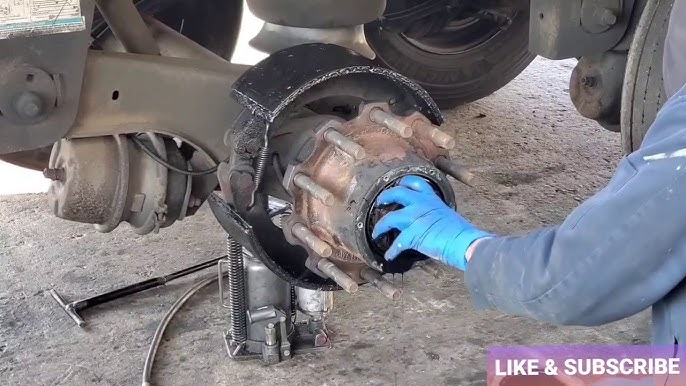
This guide will cover pricing, factors affecting cost, replacement procedures, and tips to ensure longevity, so truck owners and fleet managers can make informed decisions.
Read too: Top Trucking Companies That Still Have Manual Transmissions
What Is a Wheel Seal and Why Is It Important?
A wheel seal is a rubber or synthetic component that sits between the wheel hub and axle, preventing oil or grease from leaking while keeping dirt and debris out. On a semi truck, wheel seals play a vital role in:
- Protecting wheel bearings from contamination.
- Maintaining proper lubrication inside the hub.
- Reducing wear and tear on axles and brakes.
- Ensuring safe operation under heavy loads and long hauls.
Damaged or worn seals can cause grease to leak onto tires, brake components, or road surfaces, which can compromise safety and increase maintenance costs.
Average Semi Truck Wheel Seal Replacement Cost
The cost to replace a semi truck wheel seal can vary significantly based on several factors, including truck make, model, seal type, labor rates, and location.
Typical Cost Breakdown
| Component | Average Cost (per wheel) |
|---|---|
| Wheel Seal (OEM or aftermarket) | $25 – $60 |
| Labor | $50 – $150 per axle |
| Additional parts (grease, hub inspection, bearings) | $20 – $50 |
| Total Replacement Cost per Wheel | $95 – $260 |
For a dual-axle truck, replacing all seals can range from $500 to $1,000, depending on labor rates and the number of wheels serviced. Full trailer seals may add extra costs.
Factors Affecting Replacement Cost
Several factors influence the total price:
- Truck Make and Model – Heavy-duty trucks or specialized axles may require OEM parts, increasing the cost.
- Seal Quality – Premium synthetic seals last longer and resist heat and debris but cost more upfront.
- Labor Complexity – Replacing seals on hub-drives or tandem axles requires more time and tools.
- Additional Repairs – If the bearings or hub are damaged, costs can rise dramatically.
- Location and Shop Rates – Urban service centers typically charge higher hourly labor rates than rural garages.
Signs Your Semi Truck Wheel Seal Needs Replacement
Knowing when to replace a wheel seal prevents larger issues. Common signs include:
- Grease or oil leaks near wheel hubs.
- Excessive noise from bearings.
- Vibration while driving due to improper lubrication.
- Contaminants inside the hub noticed during routine inspection.
Regular inspections every 20,000 to 30,000 miles or during routine maintenance checks can help detect worn seals before they cause serious damage.
Step-by-Step Wheel Seal Replacement Procedure
Replacing a wheel seal is moderately complex and often best handled by professionals. Here’s an overview:
- Safety First – Park the truck on level ground, chock wheels, and lift the axle safely.
- Remove the Wheel and Hub – Take off the wheel, brake components, and hub to access the seal.
- Inspect Bearings and Hub – Check for wear or contamination; replace bearings if necessary.
- Remove the Old Seal – Carefully pry out the damaged seal to avoid damaging the hub surface.
- Install the New Seal – Apply a light layer of grease and press the seal evenly into place.
- Reassemble – Reinstall hub, brake components, and wheel; torque lug nuts to manufacturer specifications.
- Test – Rotate the wheel and check for leaks before returning the truck to service.
Proper installation ensures the seal lasts longer and prevents oil or grease leakage that can lead to costly repairs.
Maintenance Tips to Extend Wheel Seal Life
- Regular Hub Inspections: Inspect during oil changes or axle maintenance.
- Proper Lubrication: Use recommended grease or oil levels to prevent seal damage.
- Avoid Overloading: Excess weight stresses bearings and seals.
- Keep Components Clean: Dirt and debris accelerate seal wear.
Pros and Cons of OEM vs Aftermarket Seals
| Type | Advantages | Disadvantages |
|---|---|---|
| OEM | Exact fit, longer lifespan, guaranteed compatibility | Higher cost |
| Aftermarket | Lower cost, easier to find | Potential fit issues, shorter lifespan |
Choosing the right seal depends on budget, truck usage, and reliability needs. Many fleet managers prefer OEM seals for critical axles.
FAQ Section
Q1: How often should wheel seals be replaced on semi trucks?
Most manufacturers recommend replacement every 150,000 to 200,000 miles, or sooner if leaks or damage occur.
Q2: Can I replace wheel seals myself?
Yes, if you have the tools and experience, but improper installation can lead to hub or bearing damage. Professional service is often safer.
Q3: What happens if a wheel seal fails on the road?
Failure can lead to grease leaks, bearing damage, axle overheating, and unsafe driving conditions. Immediate repair is recommended.
Q4: Are there ways to reduce replacement costs?
Regular inspections, proper lubrication, and using high-quality seals can reduce frequent replacements and long-term costs.
Q5: Do all axles have the same wheel seal?
No, seals vary by axle type, load capacity, and manufacturer. Always use the correct specification.
Q6: Can worn wheel seals affect fuel efficiency?
Indirectly, yes. Worn seals can increase bearing friction, which may reduce fuel efficiency slightly over long distances.
Conclusion
Understanding semi truck wheel seal replacement cost is essential for budget planning and fleet maintenance. Proper maintenance, timely inspections, and using high-quality seals reduce unexpected downtime and expensive repairs. By knowing the cost breakdown, warning signs, and replacement procedure, truck owners can ensure safety, prolong axle life, and maintain smooth operation.
Share this guide with fellow drivers or fleet managers to help them avoid costly seal failures and keep trucks road-ready.
Leave a Reply