
Starting or growing a trucking business requires more than just owning trucks and hiring drivers. One of the biggest challenges is identifying the right customers who consistently need freight transportation.
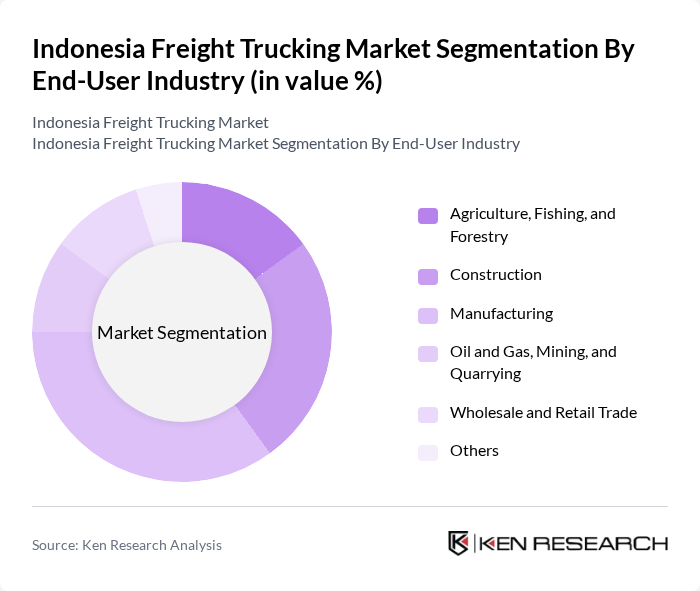
Understanding the Target Market For Trucking Companies helps business owners focus on industries that rely heavily on transportation services, ensuring steady revenue and long-term partnerships.
Read too: Top Trucking Companies That Still Have Manual Transmissions
What Is the Target Market For Trucking Companies?
The Target Market For Trucking Companies refers to the specific industries, businesses, and organizations that require freight transportation services to move goods from one location to another.
These customers rely on trucking companies for:
- Delivering products to stores
- Moving raw materials to factories
- Transporting heavy equipment
- Shipping e-commerce orders
The trucking industry plays a critical role in the global economy. According to
https://en.wikipedia.org/wiki/Trucking_industry_in_the_United_States, trucks move a significant portion of freight across the United States and are responsible for transporting the majority of domestic goods.
Because of this demand, trucking companies serve a wide variety of markets.
Why Identifying Your Target Market Matters
Not all freight is equally profitable. Understanding your target market helps trucking companies focus on the best opportunities.
Key Benefits
Higher Profit Margins
Certain industries pay better rates for specialized freight services.
Long-Term Contracts
Companies with consistent shipping needs often sign long-term agreements.
Reduced Empty Miles
Regular routes between suppliers and buyers reduce wasted trips.
Better Fleet Utilization
Different markets require different types of trucks, such as refrigerated trailers or flatbeds.
Main Industries That Need Trucking Services
Several industries rely heavily on freight transportation.
1. Retail and E-Commerce Businesses
Retail stores depend on trucking companies to deliver products from warehouses to stores.
Examples include:
- Clothing retailers
- Electronics stores
- Supermarkets
- Online shopping platforms
The rise of e-commerce has significantly increased demand for trucking.
Many online retailers require daily shipments to distribution centers and customers.
2. Manufacturing Companies
Manufacturers transport both raw materials and finished goods.
Typical shipments include:
- Automotive parts
- Machinery
- Construction materials
- Consumer electronics
Manufacturing companies often require full truckload (FTL) services for large shipments.
3. Agriculture and Food Industry
Food supply chains depend heavily on trucking.
Examples of transported goods:
- Fresh produce
- Dairy products
- Meat and poultry
- Grain and animal feed
These shipments often require refrigerated trucks (reefers) to maintain proper temperature.
4. Construction Industry
Construction companies transport large materials and equipment.
Typical freight includes:
- Steel beams
- Cement
- Heavy machinery
- Lumber
Flatbed trucks are commonly used for these shipments.
5. Oil, Gas, and Energy Sector
Energy companies require transportation for:
- Drilling equipment
- Fuel products
- Industrial supplies
These shipments often require specialized safety standards and certifications.
Types of Freight Services for Different Markets
Trucking companies typically specialize in certain freight types.
| Freight Type | Typical Customers | Truck Type |
|---|---|---|
| Dry Freight | Retail and manufacturing | Dry van |
| Refrigerated | Food and pharmaceuticals | Reefer |
| Oversized Freight | Construction and energy | Flatbed |
| Last-Mile Delivery | E-commerce companies | Box truck |
Choosing the right specialization can help trucking companies focus on the most profitable markets.
How Trucking Companies Identify Their Target Market
Successful companies analyze their strengths before choosing a market.
Step-by-Step Strategy
Step 1: Evaluate Your Equipment
Identify the types of trucks in your fleet.
Examples:
- Dry van trucks
- Refrigerated trailers
- Flatbed trucks
- Box trucks
Your equipment determines which industries you can serve.
Step 2: Research Market Demand
Analyze industries with strong shipping demand.
Example indicators:
- Warehouse activity
- Manufacturing output
- Retail distribution centers
Step 3: Identify High-Volume Shipping Areas
Freight hubs often include cities with:
- Large ports
- Distribution centers
- Industrial parks
Operating near these hubs can increase freight opportunities.
Step 4: Build Relationships With Shippers
Contact businesses that regularly ship goods.
Potential clients include:
- Manufacturers
- Wholesalers
- Distributors
- Retail chains
Networking often leads to long-term shipping contracts.
Example Target Market Strategy for a Trucking Company
Here is an example of how a small trucking company might define its target market.
Example Business Plan
Company fleet:
- 3 dry van trucks
- 1 refrigerated trailer
Target industries:
- Grocery distributors
- Regional food manufacturers
- Retail warehouse suppliers
Shipping routes:
- Regional deliveries within 500 miles
This strategy focuses on consistent, short-distance shipments that generate predictable revenue.
Pros and Cons of Different Trucking Markets
Different industries offer unique advantages and challenges.
Market Comparison
| Market | Advantages | Challenges |
|---|---|---|
| Retail | High demand | Competitive rates |
| Manufacturing | Large shipments | Scheduling complexity |
| Agriculture | Seasonal demand | Temperature requirements |
| Construction | High-paying loads | Irregular schedules |
| Energy | Specialized contracts | Safety compliance |
Understanding these factors helps trucking companies choose the right niche.
Marketing Strategies to Reach Target Customers
Once a trucking company identifies its target market, it must attract clients.
Effective Marketing Strategies
1. Create a Professional Website
Include information such as:
- Fleet capabilities
- Service areas
- Safety certifications
2. Use Freight Load Boards
Platforms connect carriers with shippers who need transportation.
Examples include:
- Freight matching services
- Logistics marketplaces
3. Network With Logistics Brokers
Freight brokers help match shipments with available trucks.
Working with brokers can provide steady freight opportunities.
4. Build Industry Partnerships
Collaborate with businesses that require regular shipping.
Examples:
- Warehouses
- Distribution centers
- Manufacturing plants
Future Trends in Trucking Target Markets
The trucking industry continues to evolve.
Several trends are shaping future demand.
Growing Sectors
E-Commerce
Online shopping continues to increase freight demand.
Regional Distribution
Companies are building more local warehouses, increasing short-haul deliveries.
Cold Chain Logistics
Demand for refrigerated transport is growing due to pharmaceutical and food distribution.
Common Mistakes Trucking Companies Make
Many trucking companies struggle because they target the wrong markets.
Mistake 1: Serving Too Many Industries
Trying to serve every industry often reduces efficiency.
Mistake 2: Ignoring Profit Margins
High freight volume does not always equal high profit.
Mistake 3: Lack of Customer Relationships
Long-term contracts often provide more stability than spot freight loads.
FAQ: Target Market For Trucking Companies
What is the target market for trucking companies?
The target market includes industries that require freight transportation, such as retail, manufacturing, agriculture, construction, and energy companies.
Which industry uses trucking services the most?
Retail and manufacturing sectors typically generate the highest demand because they constantly move goods between factories, warehouses, and stores.
How do trucking companies find customers?
Companies often find customers through freight brokers, logistics platforms, industry networking, and direct partnerships with manufacturers or distributors.
What type of trucking business is most profitable?
Specialized services like refrigerated freight, oversized loads, and hazardous material transportation often generate higher rates.
Why is identifying a target market important?
Identifying a target market helps trucking companies focus on industries with consistent freight demand and better profit potential.
Can small trucking companies compete with large carriers?
Yes. Small carriers can compete by focusing on niche markets, providing reliable service, and building strong relationships with local businesses.
Conclusion
Understanding the Target Market For Trucking Companies is essential for building a profitable and sustainable freight business. By focusing on industries such as retail, manufacturing, agriculture, and construction, trucking companies can identify consistent shipping opportunities and develop long-term partnerships.
Successful carriers analyze their fleet capabilities, research market demand, and build relationships with shippers to secure reliable freight contracts.
If you found this guide helpful, consider sharing it on social media to help other trucking entrepreneurs learn how to identify profitable markets in the transportation industry.
Leave a Reply