
Few problems are more frustrating for drivers than when a Truck Goes Into Gear But Won’t Move. The engine runs, the transmission shifts into gear, but the truck simply refuses to move forward or backward.
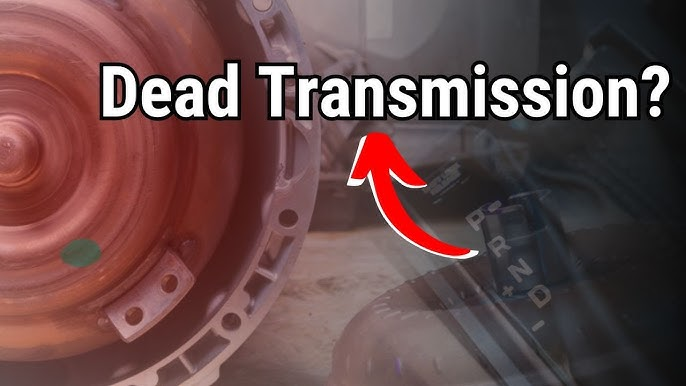
This issue can happen to pickup trucks, commercial trucks, or semi trucks. In many cases, the problem is related to the transmission, clutch system, driveshaft, or differential. Understanding the possible causes can help you diagnose the issue quickly and prevent costly repairs.
Read too: Top Trucking Companies That Still Have Manual Transmissions
Truck Goes Into Gear But Won’t Move – What Does It Mean?
When a Truck Goes Into Gear But Won’t Move, it usually means the engine power is not reaching the wheels. Something in the drivetrain is preventing the transfer of power.
The drivetrain is the system that connects the engine to the wheels. It includes:
- transmission
- clutch or torque converter
- driveshaft
- differential
- axles
For a general overview of drivetrain systems, see:
https://en.wikipedia.org/wiki/Drivetrain
If any of these components fail, the truck may shift into gear but remain stationary.
Common Causes of This Problem
Understanding the possible causes can help drivers determine the next step.
Most Frequent Reasons
- worn clutch
- broken driveshaft
- damaged differential
- transmission failure
- shift linkage problems
- parking brake stuck
Each of these issues prevents engine power from reaching the wheels.
1. Worn or Broken Clutch (Manual Transmission)
Manual transmission trucks rely on the clutch to transfer power from the engine to the transmission.
If the clutch is worn out, the engine may rev but the truck won’t move.
Symptoms of a Bad Clutch
- engine revs increase without movement
- burning smell
- difficulty shifting gears
- clutch pedal feels soft or loose
Clutch Failure Overview
| Symptom | Possible Cause |
|---|---|
| High RPM without movement | Slipping clutch |
| Burning smell | Overheated clutch |
| Gear shifting difficulty | Clutch plate wear |
A worn clutch is one of the most common causes of this issue in manual trucks.
2. Transmission Problems
Automatic and manual transmissions can both develop internal failures.
Transmission components that may fail include:
- gears
- torque converter
- hydraulic systems
- transmission pump
Warning Signs of Transmission Issues
- delayed gear engagement
- grinding noises
- fluid leaks
- transmission warning lights
Transmission failure often requires professional inspection.
3. Broken Driveshaft
The driveshaft transfers power from the transmission to the differential.
If it breaks or disconnects, the wheels will not receive power.
Signs of Driveshaft Damage
- loud clunking noises
- vibration under the vehicle
- visible damage underneath the truck
In some cases, the truck may shift normally but remain completely still.
4. Differential Damage
The differential distributes power to the wheels.
When it fails, the wheels may not turn properly.
Differential Failure Symptoms
- whining noise from rear axle
- fluid leakage near differential housing
- grinding sounds while accelerating
Differential repairs can be expensive but are necessary for safe operation.
5. Shift Linkage Problems
The shift linkage connects the gear selector to the transmission.
If the linkage becomes loose or disconnected, the transmission may not engage properly.
Common Linkage Issues
- worn bushings
- misaligned cables
- broken shift rods
This issue is relatively easy to fix compared to major drivetrain repairs.
6. Parking Brake Stuck or Seized
Sometimes the problem is simpler than expected.
A stuck parking brake can prevent the truck from moving.
Possible Causes
- rusted brake components
- frozen brake cables
- seized brake calipers
This often occurs when trucks sit unused for long periods.
Step-by-Step Diagnosis Guide
If your truck goes into gear but won’t move, follow these troubleshooting steps.
Step 1: Check the Parking Brake
Ensure the parking brake is fully released.
Step 2: Observe Engine RPM
Press the accelerator.
- If RPM rises but the truck doesn’t move → clutch or transmission issue.
Step 3: Inspect Transmission Fluid
Check fluid level and condition.
Low or burnt fluid can indicate transmission problems.
Step 4: Look Under the Truck
Inspect for visible damage:
- broken driveshaft
- leaking differential fluid
- hanging components
Step 5: Listen for Noises
Unusual sounds can help identify the problem.
| Sound | Possible Cause |
|---|---|
| Grinding | transmission damage |
| Clunking | driveshaft issue |
| Whining | differential wear |
How Mechanics Diagnose the Problem
Professional mechanics typically perform several tests.
Common Diagnostic Methods
- drivetrain inspection
- transmission pressure testing
- clutch system inspection
- differential fluid analysis
These tests help determine the exact cause quickly.
Preventing Drivetrain Failures
Preventive maintenance can reduce the risk of this problem.
Maintenance Tips
- change transmission fluid regularly
- inspect driveshaft joints
- maintain clutch system
- check differential fluid
- perform regular inspections
Fleet studies show that preventive maintenance can reduce drivetrain failures by over 40%.
When to Call a Mechanic
Some issues require professional repair.
Call a Mechanic If:
- truck will not move at all
- grinding or loud noises occur
- transmission warning lights appear
- fluid leaks are visible
Driving with drivetrain damage can cause severe mechanical failure.
Estimated Repair Costs
Repair costs depend on the cause.
| Problem | Typical Cost |
|---|---|
| Clutch replacement | $800 – $2,000 |
| Transmission repair | $1,500 – $4,000 |
| Driveshaft replacement | $400 – $1,200 |
| Differential repair | $1,000 – $3,500 |
Early diagnosis can significantly reduce repair costs.
FAQ – Truck Goes Into Gear But Won’t Move
Why does my truck shift into gear but not move?
This usually indicates a drivetrain issue, such as a worn clutch, transmission failure, or broken driveshaft.
Can low transmission fluid cause this problem?
Yes. Low or contaminated transmission fluid can prevent the transmission from engaging properly.
Is it safe to drive a truck with this problem?
No. Continuing to drive can cause serious mechanical damage.
How much does it cost to fix this issue?
Repair costs range from $400 to over $4,000, depending on the damaged component.
Can a bad differential cause the truck not to move?
Yes. If the differential fails, the wheels may not receive power from the engine.
What should I check first?
Start by checking the parking brake, transmission fluid, and visible drivetrain components.
Conclusion
When a Truck Goes Into Gear But Won’t Move, the problem usually lies somewhere in the drivetrain. Issues with the clutch, transmission, driveshaft, or differential can prevent engine power from reaching the wheels.
The key is diagnosing the problem early. A quick inspection can help identify whether the issue is minor or requires professional repair.
Regular maintenance and inspections can prevent many of these problems and keep your truck running smoothly for years.
If this guide helped you understand the issue, consider sharing it on social media to help other truck owners solve the same problem. 🚚
Leave a Reply