
When work happens far from electrical power, downtime is not an option. A Truck Mounted Diesel Air Compressor provides dependable, high-capacity compressed air wherever the job takes you. In this guide, you’ll learn how these systems work, where they’re used, and how to choose the right model for your operation.
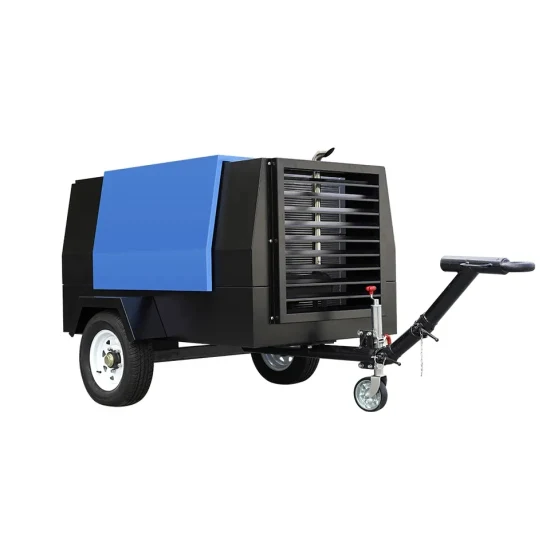
What Is a Truck Mounted Diesel Air Compressor?
A Truck Mounted Diesel Air Compressor is a self-powered air compressor installed directly onto a truck or service vehicle. Powered by a diesel engine, it delivers compressed air without relying on external electricity.
Read too: Top Trucking Companies That Still Have Manual Transmissions
These systems are widely used in:
- Construction sites
- Mining and quarry operations
- Oil and gas fields
- Road maintenance crews
- Mobile service and repair trucks
Their main advantage is mobility combined with high output.
How Does a Truck Mounted Diesel Air Compressor Work?
At its core, the system combines three main components:
- Diesel Engine – Provides independent power
- Air Compression Unit – Compresses ambient air
- Storage & Control System – Regulates pressure and airflow
The diesel engine drives the compressor, producing steady airflow measured in CFM (cubic feet per minute) and PSI (pounds per square inch).
Why Choose a Diesel-Powered Compressor?
Diesel compressors are preferred over electric or gas-powered options in heavy-duty environments.
Key reasons include:
- Higher torque for continuous operation
- Better fuel efficiency under load
- Longer service life
- Reliable performance in extreme conditions
Industry data shows diesel compressors can operate 30–40% longer under continuous load compared to gasoline units.
Common Applications of Truck Mounted Diesel Air Compressors
Construction and Infrastructure
Used for:
- Jackhammers
- Pneumatic drills
- Concrete spraying
- Road cutting
A truck-mounted unit eliminates the need to transport standalone compressors.
Mining and Quarrying
Mining operations rely on:
- High-pressure drilling
- Dust suppression systems
- Continuous air supply
Diesel-powered compressors are ideal for remote locations.
Oil, Gas, and Utility Services
Utility crews use them for:
- Pipeline maintenance
- Valve operation
- Emergency repairs
Mobility and reliability are critical in these industries.
Truck Mounted vs Towable Diesel Air Compressors
| Feature | Truck Mounted | Towable |
|---|---|---|
| Mobility | Integrated | Requires towing |
| Setup Time | Minimal | Longer |
| Space Efficiency | High | Moderate |
| Ideal Use | Service fleets | Large projects |
Truck-mounted units are best for frequent relocation and rapid response.
Key Benefits of a Truck Mounted Diesel Air Compressor
1. Maximum Mobility
Mounted directly on the truck, these compressors move seamlessly between job sites.
2. High Air Output
Many systems deliver 185–1,000+ CFM, suitable for demanding tools.
3. Reduced Downtime
No need to unload, reposition, or reconnect external equipment.
4. Improved Jobsite Safety
Integrated systems reduce tripping hazards and clutter.
Important Specifications to Understand
Before buying, understand these key specs:
- CFM (Airflow Capacity): Determines tool compatibility
- PSI (Pressure Rating): Impacts performance
- Fuel Consumption: Affects operating cost
- Noise Level (dB): Important for urban jobsites
- Weight and Mounting Size: Must match truck capacity
Choosing the wrong spec can limit performance or damage tools.
How to Choose the Right Truck Mounted Diesel Air Compressor
Step 1: Identify Your Tools
List all pneumatic tools and their CFM/PSI requirements.
Step 2: Calculate Duty Cycle
Continuous-use tools need higher-rated compressors.
Step 3: Match Truck Capacity
Ensure the truck frame and suspension can handle the load.
Step 4: Consider Environment
Hot, dusty, or cold environments require robust filtration and cooling.
Installation Process: Step-by-Step Overview
Installation difficulty: Moderate to Advanced
Step 1: Frame Preparation
Reinforce the truck bed or chassis if needed.
Step 2: Mounting
Secure compressor using vibration-resistant mounts.
Step 3: Fuel Integration
Connect to a dedicated diesel tank or shared system.
Step 4: Air Line Setup
Install hoses and quick-connect outlets.
Step 5: Testing
Run system at operating pressure for 30–60 minutes.
Professional installation is recommended for safety and warranty compliance.
Maintenance Requirements and Best Practices
Proper maintenance extends equipment life.
Routine checks include:
- Oil level and quality
- Air filter condition
- Fuel system inspection
- Hose and fitting checks
Most manufacturers recommend service every 500 operating hours.
Operating Costs and Fuel Efficiency
Diesel compressors typically consume:
- 1–3 gallons per hour, depending on load
While fuel costs exist, efficiency gains often outweigh downtime losses.
Environmental and Regulatory Considerations
Modern diesel compressors are designed to meet emissions standards.
For background on diesel engines and emissions, see this authoritative overview on Wikipedia:
👉 https://en.wikipedia.org/wiki/Diesel_engine
Many newer units include:
- Tier 4 compliant engines
- Reduced noise enclosures
- Improved exhaust filtration
Advantages vs Disadvantages
Advantages
- Independent power source
- High durability
- Excellent for remote jobs
Disadvantages
- Higher upfront cost
- Requires regular fuel and maintenance
- Heavier than electric units
Understanding trade-offs ensures smarter purchasing decisions.
Real-World Use Case: Construction Fleet Upgrade
A mid-sized construction company replaced towable compressors with truck-mounted diesel units.
Results after 6 months:
- 25% faster job setup
- 18% reduction in fuel waste
- Improved crew productivity
Mobility directly translated into higher profits.
Safety Tips When Using Truck Mounted Diesel Air Compressors
- Never exceed rated PSI
- Secure hoses before pressurizing
- Allow engine to cool before refueling
- Use hearing protection in close proximity
Safety training is essential for all operators.
FAQ: Truck Mounted Diesel Air Compressor
What is a truck mounted diesel air compressor used for?
It provides mobile compressed air for construction, mining, utilities, and field service applications.
Is diesel better than electric for mobile compressors?
Yes. Diesel offers higher power and independence from electrical sources.
How long can a diesel air compressor run continuously?
Most units are designed for continuous operation, limited mainly by fuel supply and maintenance intervals.
Are truck mounted compressors hard to maintain?
No. Routine oil changes and inspections keep them running reliably.
Is a truck mounted compressor worth the investment?
For mobile operations, the time savings and reliability usually justify the cost.
Conclusion
A Truck Mounted Diesel Air Compressor is a powerful solution for professionals who need reliable, high-output air wherever work demands it. With unmatched mobility, durability, and performance, these systems keep projects moving and crews productive. If this guide helped you, share it with your team or industry peers so more professionals can make informed equipment decisions. 🚛⚙️💨
Leave a Reply